

Lifelong learning is a concept that transcends traditional education, emphasizing the continuous pursuit of knowledge and skills throughout an individual’s life. In an ever-evolving world characterized by rapid technological advancements and shifting job markets, the importance of lifelong learning cannot be overstated. It serves as a vital mechanism for personal growth, adaptability, and resilience.
As industries transform and new fields emerge, individuals who engage in lifelong learning are better equipped to navigate these changes, ensuring they remain relevant and competitive in their careers. Moreover, lifelong learning fosters a culture of curiosity and innovation. It encourages individuals to seek out new experiences, challenge their existing beliefs, and expand their horizons.
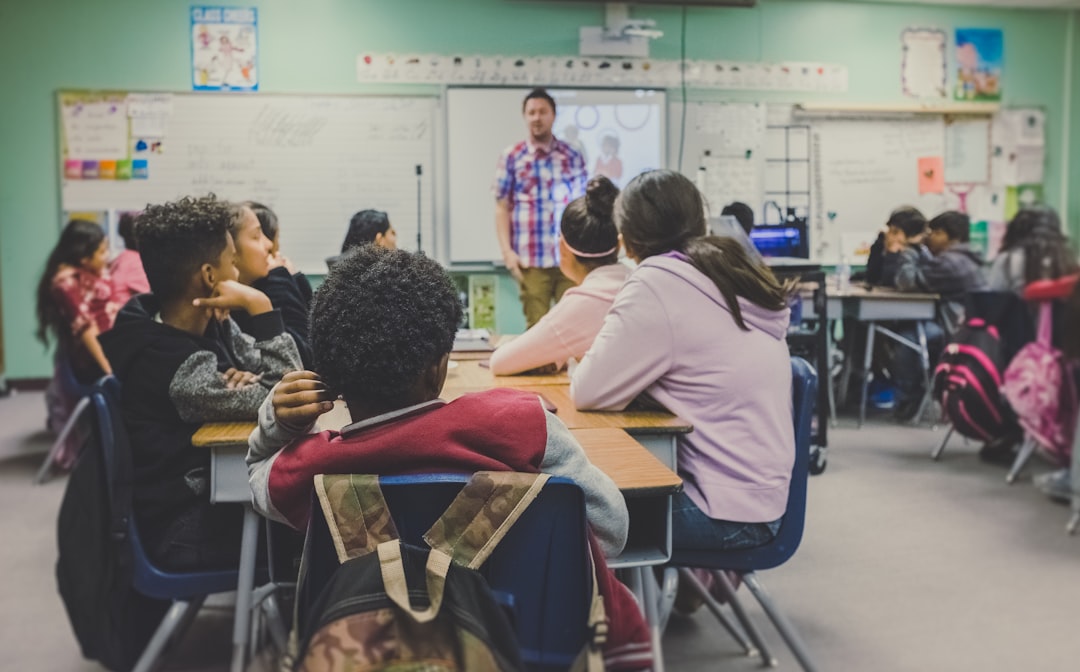
This mindset not only enhances cognitive abilities but also promotes emotional intelligence and social skills. In a society where collaboration and creativity are increasingly valued, those who commit to lifelong learning are more likely to contribute positively to their communities and workplaces. The ability to learn continuously is not merely an asset; it is becoming a necessity in a world where knowledge is constantly being updated and redefined.
Key Takeaways
- Lifelong learning is essential for continuous personal and professional growth.
- It empowers adults by enhancing skills, confidence, and adaptability.
- Overcoming barriers like time constraints and motivation is key to successful learning.
- Technology offers diverse tools and platforms to facilitate flexible learning.
- Developing a structured learning plan and utilizing available resources supports ongoing education.
How Lifelong Learning Empowers Adults

Lifelong learning empowers adults by providing them with the tools necessary to take control of their personal and professional destinies. It instills a sense of agency, allowing individuals to pursue their interests and passions at any stage of life. For instance, an adult who decides to learn a new language or pick up a musical instrument is not just acquiring a skill; they are also enhancing their cognitive flexibility and opening doors to new cultural experiences.
This empowerment can lead to increased self-esteem and confidence, as individuals realize their capacity for growth and change. Furthermore, lifelong learning equips adults with the skills needed to adapt to the complexities of modern life. In the workplace, for example, employees who engage in continuous education are often more adept at problem-solving and critical thinking.
They can approach challenges with a fresh perspective, drawing on a diverse range of knowledge and experiences. This adaptability is particularly crucial in industries that are subject to rapid change, such as technology and healthcare. By embracing lifelong learning, adults not only enhance their employability but also position themselves as leaders in their fields, capable of driving innovation and change.
The Benefits of Lifelong Learning for Personal and Professional Development
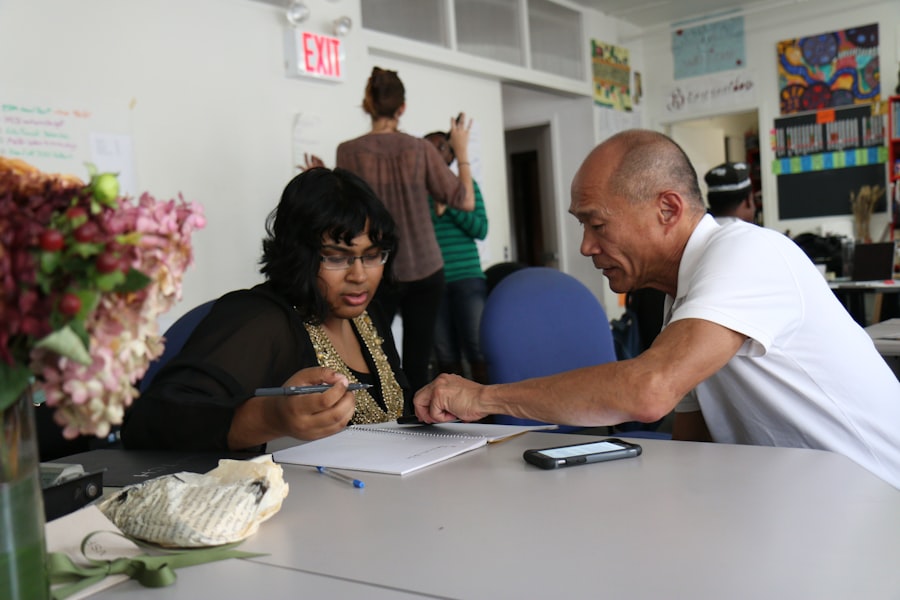
The benefits of lifelong learning extend far beyond mere skill acquisition; they encompass a holistic approach to personal and professional development. On a personal level, engaging in continuous education can lead to improved mental health and well-being. Studies have shown that individuals who pursue learning opportunities often experience lower levels of stress and anxiety.
The act of learning stimulates the brain, promoting neuroplasticity—the brain’s ability to reorganize itself by forming new neural connections. This cognitive engagement can lead to greater resilience against age-related cognitive decline. Professionally, the advantages of lifelong learning are equally significant.
In an era where job security is increasingly uncertain, individuals who actively seek out new knowledge and skills are more likely to remain employable. Employers value candidates who demonstrate a commitment to self-improvement and adaptability. For instance, professionals who engage in ongoing training or certification programs often find themselves better positioned for promotions or new job opportunities.
Additionally, lifelong learners tend to have broader networks, as they often engage with diverse groups of people in various learning environments. This networking can lead to collaborative opportunities that further enhance career prospects.
Overcoming Barriers to Lifelong Learning
| Barrier | Description | Impact on Lifelong Learning | Strategies to Overcome | Effectiveness (%) |
|---|---|---|---|---|
| Time Constraints | Lack of available time due to work, family, or other commitments | High – Limits ability to engage in learning activities | Flexible scheduling, microlearning, prioritization | 75 |
| Financial Barriers | Cost of courses, materials, and resources | Moderate – Restricts access to quality learning opportunities | Scholarships, free online resources, employer sponsorship | 65 |
| Lack of Motivation | Low interest or perceived relevance of learning | High – Reduces engagement and persistence | Goal setting, personalized learning, peer support | 70 |
| Technological Challenges | Limited access to or skills with digital tools | Moderate – Hinders participation in online learning | Digital literacy training, access to devices, tech support | 60 |
| Psychological Barriers | Fear of failure, low self-confidence | High – Prevents learners from starting or continuing | Encouragement, mentoring, positive feedback | 80 |
Despite the clear advantages of lifelong learning, many adults face barriers that hinder their ability to engage in continuous education. Time constraints are one of the most significant obstacles; balancing work, family responsibilities, and personal commitments can leave little room for learning. Additionally, financial limitations can deter individuals from pursuing further education or training programs.
Many adults may feel that they cannot afford the costs associated with courses or materials, leading them to abandon their aspirations for growth. To overcome these barriers, it is essential for individuals to adopt a proactive approach to their learning journey. Time management strategies can be invaluable; setting aside dedicated time for learning—whether through online courses, reading, or attending workshops—can help integrate education into daily life.
Furthermore, exploring free or low-cost resources can alleviate financial concerns. Public libraries, community colleges, and online platforms often offer a wealth of educational materials at little or no cost. By recognizing these barriers and actively seeking solutions, adults can create pathways for lifelong learning that fit within their unique circumstances.
Different Approaches to Lifelong Learning for Adults
Lifelong learning encompasses a variety of approaches that cater to different learning styles and preferences. Formal education remains a popular avenue; many adults choose to enroll in degree programs or certification courses that provide structured learning environments. These programs often offer valuable credentials that can enhance career prospects.
However, formal education is not the only path available; informal learning opportunities abound in everyday life. Self-directed learning is another effective approach that allows individuals to take charge of their educational journeys. This method involves setting personal goals and seeking out resources independently—whether through online courses, books, podcasts, or community workshops.
For example, an adult interested in digital marketing might explore free online courses offered by platforms like Coursera or edX while simultaneously reading industry-related blogs and participating in relevant webinars. Additionally, experiential learning—gaining knowledge through hands-on experiences—can be particularly impactful. Volunteering for projects or internships allows individuals to apply their skills in real-world settings while simultaneously acquiring new knowledge.
The Role of Technology in Lifelong Learning

Technology plays a pivotal role in facilitating lifelong learning by providing access to a vast array of resources and opportunities that were previously unavailable or difficult to obtain. Online platforms have revolutionized education by offering courses on virtually any subject imaginable, often at little or no cost. Websites like Khan Academy, Udemy, and LinkedIn Learning provide learners with the flexibility to study at their own pace and on their own schedule.
This accessibility has democratized education, allowing individuals from diverse backgrounds to pursue knowledge without geographical or financial constraints. Moreover, technology fosters collaboration among learners across the globe. Online forums, social media groups, and virtual study sessions enable individuals to connect with peers who share similar interests or goals.
This sense of community can enhance motivation and accountability while providing valuable networking opportunities. Additionally, advancements in artificial intelligence (AI) are beginning to personalize the learning experience further; adaptive learning technologies can tailor educational content based on individual progress and preferences, ensuring that learners receive the most relevant information for their needs.
Creating a Lifelong Learning Plan
Developing a lifelong learning plan is essential for individuals seeking to make continuous education a priority in their lives. A well-structured plan begins with self-assessment; individuals should reflect on their current skills, interests, and goals. Identifying areas for improvement or new subjects of interest can help create a focused roadmap for future learning endeavors.
For instance, someone working in finance may wish to expand their knowledge of data analytics to stay competitive in an increasingly data-driven industry. Once goals are established, individuals should outline specific steps to achieve them. This may include enrolling in courses, attending workshops, or dedicating time each week for self-study.
Setting measurable milestones can help track progress and maintain motivation over time. Additionally, incorporating flexibility into the plan allows for adjustments as interests evolve or new opportunities arise. By creating a personalized lifelong learning plan, individuals can take proactive steps toward achieving their educational aspirations while ensuring that their journey remains aligned with their personal and professional goals.
Resources for Lifelong Learning
A wealth of resources exists for adults seeking to engage in lifelong learning across various domains. Online platforms such as Coursera and edX offer courses from prestigious universities on topics ranging from computer science to philosophy. These platforms often provide certificates upon completion, adding value to one’s professional credentials.
Additionally, websites like Skillshare focus on creative skills such as graphic design or photography, catering to those looking to enhance their artistic abilities. Local community resources also play a crucial role in supporting lifelong learners. Public libraries frequently host workshops, lectures, and book clubs that encourage intellectual engagement within the community.
Community colleges often offer non-credit courses designed specifically for adult learners seeking personal enrichment or professional development without the commitment of a full degree program. Furthermore, professional organizations related to specific industries often provide training sessions, webinars, and networking events that facilitate ongoing education within particular fields. In conclusion, lifelong learning is an essential component of personal growth and professional success in today’s fast-paced world.
By embracing continuous education through various approaches and leveraging available resources—both online and offline—adults can empower themselves to adapt to change while enriching their lives with new knowledge and experiences.
