

The National Institute of Open Schooling (NIOS) stands as a pivotal institution in India’s educational landscape, providing an alternative pathway for learners who seek flexibility and inclusivity in their educational pursuits. Established by the Ministry of Human Resource Development, NIOS caters to a diverse demographic, including school dropouts, working professionals, and those who require a non-traditional approach to education. The institute’s primary objective is to democratize education by offering opportunities for individuals to learn at their own pace, thereby fostering lifelong learning and personal development.
NIOS operates under the framework of open schooling, which emphasizes accessibility and adaptability in education. This model is particularly significant in a country as vast and varied as India, where traditional schooling may not meet the needs of every learner. By providing a range of courses and programs that can be pursued through distance learning, NIOS empowers students to take charge of their educational journeys.
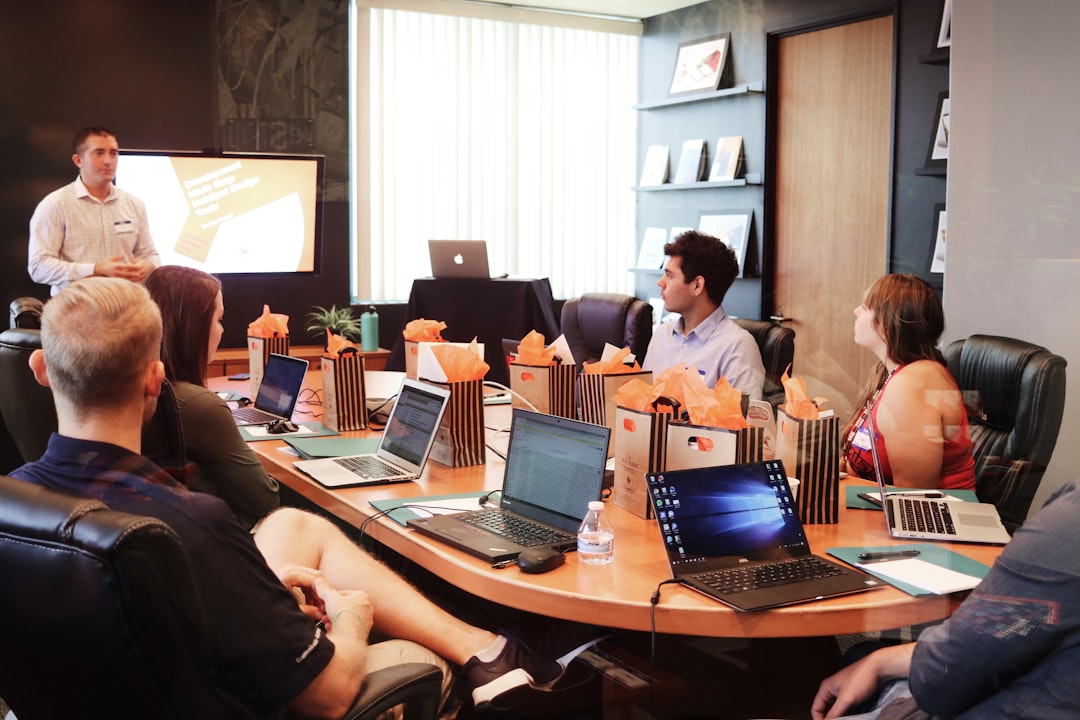
This approach not only enhances individual learning experiences but also contributes to the broader goal of achieving universal education in India.
Key Takeaways
- NIOS provides flexible and accessible education opportunities for diverse learners across India.
- Established to promote inclusive education, NIOS caters to students unable to attend traditional schools.
- The institute offers a wide range of courses and curricula tailored to varied educational needs.
- NIOS has significantly impacted education by enabling lifelong learning and skill development.
- Despite challenges, NIOS continues to evolve, shaping the future of open and distance education.
History and Evolution of NIOS
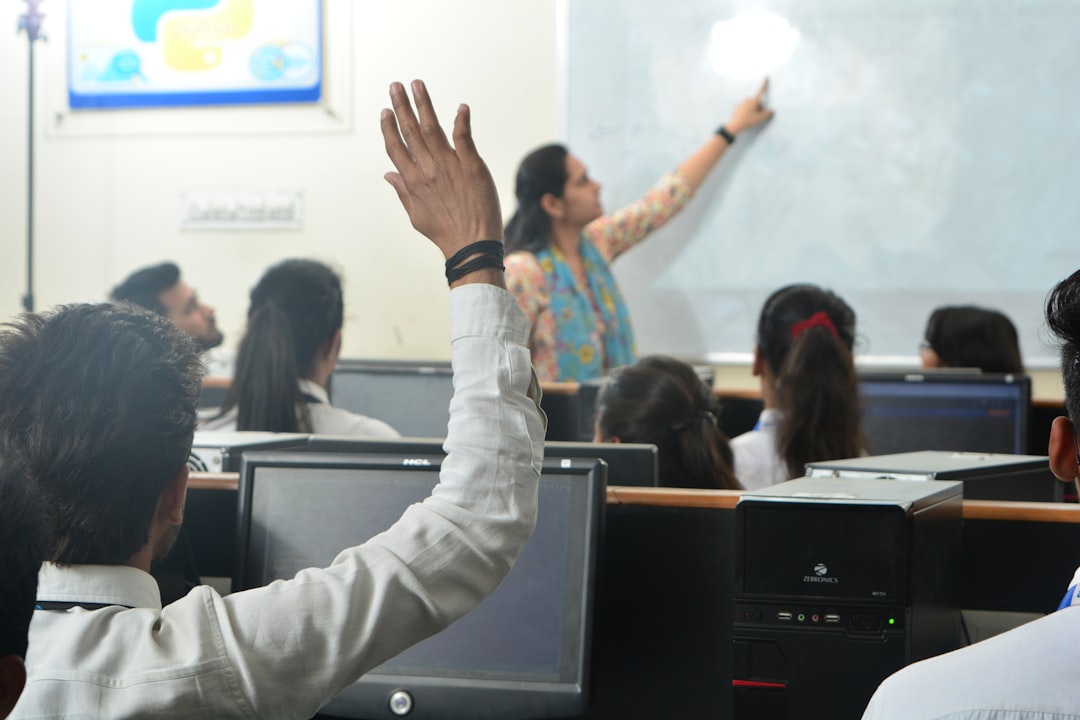
The inception of NIOS can be traced back to the early 1990s when the Indian government recognized the need for an alternative educational system that could cater to the diverse needs of its population. In 1990, NIOS was established as a national board to provide education through open and distance learning methods. The initiative was part of a broader movement to enhance educational access and equity, particularly for marginalized groups who faced barriers in traditional schooling environments.
Over the years, NIOS has evolved significantly, adapting its programs and methodologies to meet the changing demands of society. Initially focused on secondary and senior secondary education, NIOS expanded its offerings to include vocational courses, life enrichment programs, and skill development initiatives. This evolution reflects a growing recognition of the importance of vocational education in enhancing employability and addressing skill gaps in the workforce.
Furthermore, NIOS has embraced technology as a means to enhance learning experiences, incorporating digital resources and online platforms to facilitate distance education.
NIOS: A Platform for Inclusive Education
One of the most commendable aspects of NIOS is its commitment to inclusive education. The institute actively seeks to accommodate learners from various backgrounds, including those with disabilities, women, and individuals from economically disadvantaged communities. By providing tailored support services and resources, NIOS ensures that all students have the opportunity to succeed in their educational endeavors.
For instance, NIOS has implemented special initiatives aimed at promoting education among girls and women, who often face societal barriers that hinder their access to schooling. Through outreach programs and community engagement, NIOS has successfully increased enrollment rates among female learners. Additionally, the institute offers study materials in multiple languages and formats, catering to learners with different linguistic backgrounds and learning preferences.
This inclusive approach not only enhances educational access but also fosters a sense of belonging among diverse student populations.
NIOS: Flexibility and Accessibility in Education
| Metric | Description | Value/Statistic | Source/Year |
|---|---|---|---|
| Number of Enrolled Students | Total students enrolled in NIOS programs | 1.5 million+ | NIOS Annual Report 2023 |
| Examination Frequency | Number of public exams conducted annually | 2 (April and October) | NIOS Official Website 2024 |
| Course Flexibility | Number of subjects students can choose from | 200+ | NIOS Curriculum Guide 2023 |
| Study Material Accessibility | Availability of free study materials online and offline | 100% free access | NIOS Digital Resources 2024 |
| Geographical Reach | Number of study centers across India | 1200+ | NIOS Network Data 2023 |
| Age Flexibility | Minimum age for enrollment | Open to all ages (No minimum age) | NIOS Enrollment Policy 2024 |
| Pass Percentage | Overall pass rate in secondary and senior secondary exams | 65% (Secondary), 70% (Senior Secondary) | NIOS Exam Results 2023 |
| Medium of Instruction | Languages in which courses are offered | 22 languages | NIOS Language Policy 2024 |
Flexibility is a cornerstone of the NIOS educational model. Unlike traditional schools that adhere to rigid schedules and curricula, NIOS allows students to choose their subjects, set their own study pace, and complete their courses according to their individual circumstances. This flexibility is particularly beneficial for working professionals or those with family responsibilities who may find it challenging to attend regular classes.
Moreover, NIOS employs a decentralized examination system that enables students to take exams at their convenience. This system alleviates the pressure associated with fixed examination dates and allows learners to prepare thoroughly before attempting assessments. The ability to study from home or any location with internet access further enhances accessibility, making it possible for students in remote areas or those with mobility challenges to pursue their education without geographical constraints.
NIOS: Curriculum and Course Offerings
The curriculum offered by NIOS is designed to be comprehensive yet adaptable, catering to a wide range of interests and career aspirations. Students can choose from various subjects across disciplines such as arts, science, commerce, and vocational training. This diverse array of options allows learners to tailor their educational experiences according to their personal goals and aspirations.
In addition to traditional academic subjects, NIOS places a strong emphasis on vocational education. The institute offers numerous skill development courses that equip students with practical skills relevant to various industries. For example, courses in information technology, hospitality management, and healthcare are designed to enhance employability and prepare students for the demands of the job market.
By integrating vocational training into its curriculum, NIOS not only addresses the skills gap in the workforce but also empowers students with the tools they need to succeed in their chosen careers.
NIOS: Impact on Education and Society

The impact of NIOS on education and society is profound and far-reaching. By providing an alternative pathway for learners who may have been excluded from traditional educational systems, NIOS has played a crucial role in promoting literacy and skill development across India. The institute’s efforts have contributed significantly to increasing enrollment rates among marginalized groups, thereby fostering social equity.
Furthermore, NIOS has been instrumental in raising awareness about the importance of lifelong learning. By encouraging individuals to pursue education at any stage of life, the institute has helped shift societal perceptions about learning beyond formal schooling years. This cultural shift is vital in a rapidly changing world where continuous skill enhancement is essential for personal and professional growth.
As more individuals engage with NIOS programs, the ripple effects on community development and economic empowerment become increasingly evident.
Challenges and Future of NIOS
Despite its successes, NIOS faces several challenges that could impact its future trajectory. One significant issue is the need for continuous improvement in the quality of educational materials and resources. As technology evolves rapidly, it is imperative for NIOS to keep pace with advancements in digital learning tools and methodologies.
Ensuring that study materials are engaging, relevant, and accessible will be crucial in maintaining student interest and motivation. Another challenge lies in increasing awareness about NIOS among potential learners. While the institute has made strides in outreach efforts, many individuals remain unaware of the opportunities available through open schooling.
Strengthening partnerships with local communities, educational institutions, and government agencies can help amplify awareness campaigns and encourage more individuals to consider NIOS as a viable educational option.
NIOS and the Future of Education
As we look toward the future of education in India, the role of institutions like NIOS will be increasingly vital in shaping an inclusive and equitable learning environment. By continuing to innovate and adapt its offerings to meet the needs of diverse learners, NIOS can further solidify its position as a leader in open schooling. The emphasis on flexibility, accessibility, and vocational training aligns well with global trends toward personalized learning experiences that prioritize individual growth.
In an era where lifelong learning is becoming essential for success in an ever-evolving job market, NIOS stands poised to empower countless individuals on their educational journeys. By fostering a culture of learning that transcends traditional boundaries, NIOS not only contributes to individual empowerment but also plays a crucial role in building a more educated and skilled society capable of meeting future challenges head-on.
