

Preschool education serves as a critical foundation for a child’s lifelong learning journey. It is during these formative years that children develop essential cognitive, social, and emotional skills that will influence their future academic success and personal development. Research has consistently shown that children who attend preschool are better prepared for kindergarten and beyond.
They tend to exhibit stronger language skills, improved mathematical understanding, and enhanced social interactions compared to their peers who do not have preschool experience. This early exposure to structured learning environments fosters curiosity and a love for learning, which are vital for academic achievement. Moreover, preschool education plays a significant role in bridging the gap between home and school.

It introduces children to a structured routine, helping them adapt to the expectations of formal education. In preschool, children learn to follow directions, share with peers, and engage in group activities, all of which are crucial for their social development. The interactions they have with teachers and classmates help them develop empathy, cooperation, and conflict resolution skills.
These foundational experiences not only prepare them for the academic challenges ahead but also equip them with the interpersonal skills necessary for navigating various social situations throughout their lives.
Key Takeaways
- Preschool education lays a crucial foundation for a child’s development and future learning.
- Key factors in choosing a preschool include curriculum quality, safety, and teacher qualifications.
- Thorough research and visits to multiple preschools help identify the best fit for your child.
- Evaluating teaching methods and facilities ensures a supportive and secure learning environment.
- Meeting staff and carefully considering all aspects leads to an informed enrollment decision.

Factors to Consider When Choosing a Preschool
Selecting the right preschool for your child involves careful consideration of several factors that can significantly impact their early educational experience. One of the primary aspects to evaluate is the preschool’s philosophy and approach to education. Different preschools may adopt various teaching methodologies, such as Montessori, Reggio Emilia, or traditional play-based learning.
Understanding these philosophies can help parents align their values and expectations with the educational environment they choose for their child. For instance, a Montessori school emphasizes self-directed learning and hands-on activities, while a Reggio Emilia approach focuses on collaborative projects and community involvement. Another critical factor is the location and accessibility of the preschool.
Parents should consider how far they are willing to travel daily and whether the preschool’s hours align with their work schedules. Proximity to home or work can significantly reduce stress for both parents and children. Additionally, it is essential to assess the preschool’s size and student-to-teacher ratio.
Smaller class sizes often allow for more individualized attention, fostering a nurturing environment where children can thrive. A lower student-to-teacher ratio can also enhance safety and ensure that each child’s needs are adequately met.
Researching Preschools in Your Area
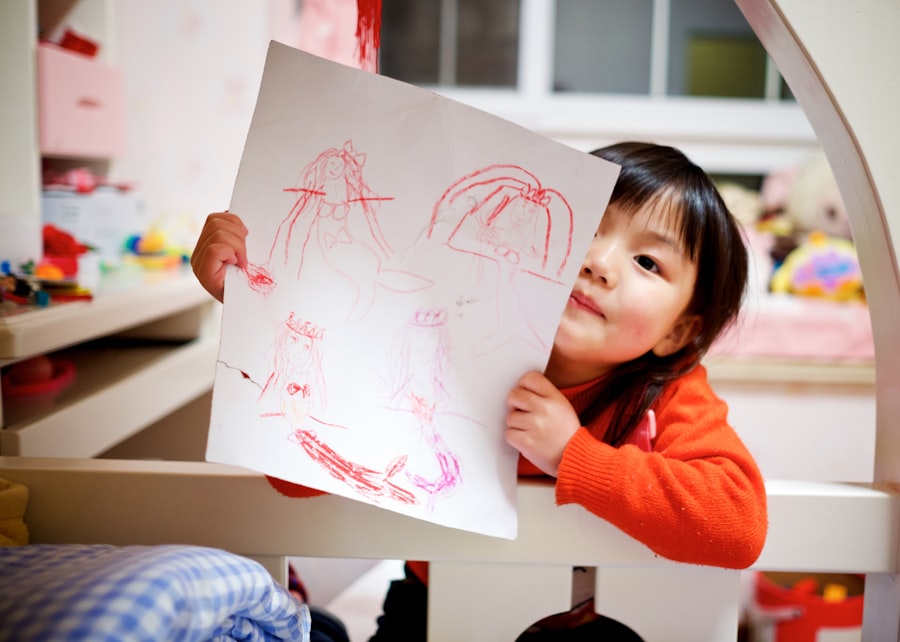
Once you have identified the key factors that matter most to you, the next step is to conduct thorough research on preschools in your area. This process can begin with online searches, where parents can find information about local preschools through websites, social media platforms, and community forums. Many preschools maintain websites that provide insights into their curriculum, staff qualifications, and enrollment procedures.
Additionally, online reviews from other parents can offer valuable perspectives on the experiences of children at specific preschools. In addition to online resources, word-of-mouth recommendations can be incredibly beneficial. Speaking with friends, family members, or neighbors who have children in preschool can provide firsthand accounts of their experiences.
They may share insights about the quality of education, the level of care provided by staff, and any challenges they encountered during their time at the preschool. Local parenting groups or community organizations can also serve as excellent resources for gathering information about reputable preschools in your area.
Visiting Potential Preschools
| Preschool Name | Location | Student-Teacher Ratio | Curriculum Focus | Visit Duration (minutes) | Facilities Rating (1-5) | Enrollment Availability |
|---|---|---|---|---|---|---|
| Bright Beginnings | Downtown | 8:1 | Montessori | 45 | 4 | Open |
| Little Learners | Westside | 10:1 | Reggio Emilia | 30 | 3 | Waitlist |
| Sunshine Academy | East End | 7:1 | Play-Based | 40 | 5 | Open |
| Happy Trails | North Hills | 9:1 | Academic Prep | 35 | 4 | Open |
| Creative Minds | South Park | 6:1 | Arts Integration | 50 | 5 | Waitlist |
After narrowing down your list of potential preschools, scheduling visits is an essential next step in the decision-making process. Visiting preschools allows parents to observe the environment firsthand and assess whether it aligns with their expectations. During these visits, parents should pay attention to various aspects of the preschool setting, including cleanliness, organization, and overall atmosphere.
A welcoming environment that feels safe and engaging is crucial for young children as they begin their educational journey. During your visit, take note of how teachers interact with students. Are they warm and approachable?
Do they encourage exploration and creativity? Observing these interactions can provide insight into the quality of care and education your child will receive. Additionally, it is beneficial to observe how children engage with one another during playtime or group activities.
A positive social environment where children feel comfortable expressing themselves is vital for their emotional development.
Evaluating the Curriculum and Teaching Methods
A thorough evaluation of the curriculum and teaching methods employed by a preschool is essential in determining whether it meets your child’s needs. Different preschools may offer varying curricula that emphasize different areas of development. For instance, some programs may focus heavily on academic readiness through structured lessons in literacy and numeracy, while others may prioritize social-emotional learning through play-based activities.
Understanding how a preschool balances these elements can help parents make informed decisions about their child’s educational path. In addition to curriculum content, it is important to consider how teaching methods are implemented in the classroom. Active learning approaches that encourage hands-on experiences tend to be more effective for young children than traditional lecture-based methods.
Look for preschools that incorporate play as a central component of their teaching strategy, as this aligns with how young children naturally learn best. Engaging activities that promote exploration, creativity, and problem-solving skills are essential for fostering a love of learning in preschool-aged children.
Assessing the Facilities and Safety Measures
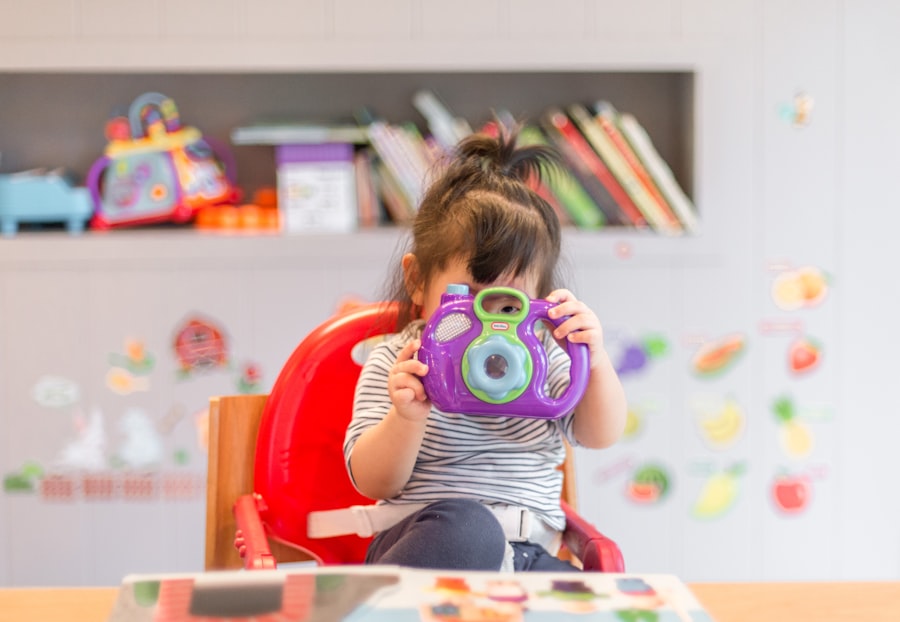
The physical environment of a preschool plays a significant role in ensuring children’s safety and well-being while they learn and grow. When evaluating potential preschools, parents should assess the facilities available on-site. This includes checking for age-appropriate toys and learning materials, outdoor play areas, and classrooms designed to foster exploration and creativity.
A well-equipped preschool should provide a variety of resources that cater to different learning styles and interests. Safety measures are another critical aspect to consider when assessing preschool facilities. Parents should inquire about security protocols in place to protect children while they are at school.
This includes understanding how access to the building is controlled, whether there are secure entry points, and how staff members are trained in emergency procedures. Additionally, it is important to ensure that the preschool maintains high standards of cleanliness and hygiene to prevent illness among young children who may have developing immune systems.
Meeting with Teachers and Staff
Engaging with teachers and staff members at potential preschools is an invaluable opportunity for parents to gain insight into the educational philosophy and daily operations of the school. During meetings or informal conversations, parents should ask about teachers’ qualifications, experience working with young children, and ongoing professional development opportunities they pursue. Understanding the background of educators can provide reassurance regarding the quality of instruction your child will receive.
Furthermore, it is essential to discuss how teachers communicate with parents about their child’s progress and development. Open lines of communication between educators and families are crucial for fostering a collaborative partnership that supports children’s learning experiences. Inquire about how often parent-teacher conferences are held, what methods are used for sharing updates on children’s progress, and how teachers address any concerns that may arise during the school year.
Making the Final Decision and Enrolling Your Child
After conducting thorough research, visiting potential preschools, evaluating curricula, assessing facilities, and meeting with staff members, parents will be well-equipped to make an informed decision regarding their child’s preschool enrollment. It is essential to trust your instincts during this process; if a particular preschool feels like the right fit for your child based on your observations and interactions, it is likely that it will provide a nurturing environment conducive to their growth. Once you have made your decision, familiarize yourself with the enrollment process at your chosen preschool.
This may involve completing application forms, providing necessary documentation such as immunization records or proof of residency, and paying any required fees or deposits. Additionally, many preschools offer orientation sessions for new families to help ease the transition into this new educational setting. Engaging in these sessions can provide valuable information about what to expect in the coming months as your child embarks on this exciting new chapter in their life.
