
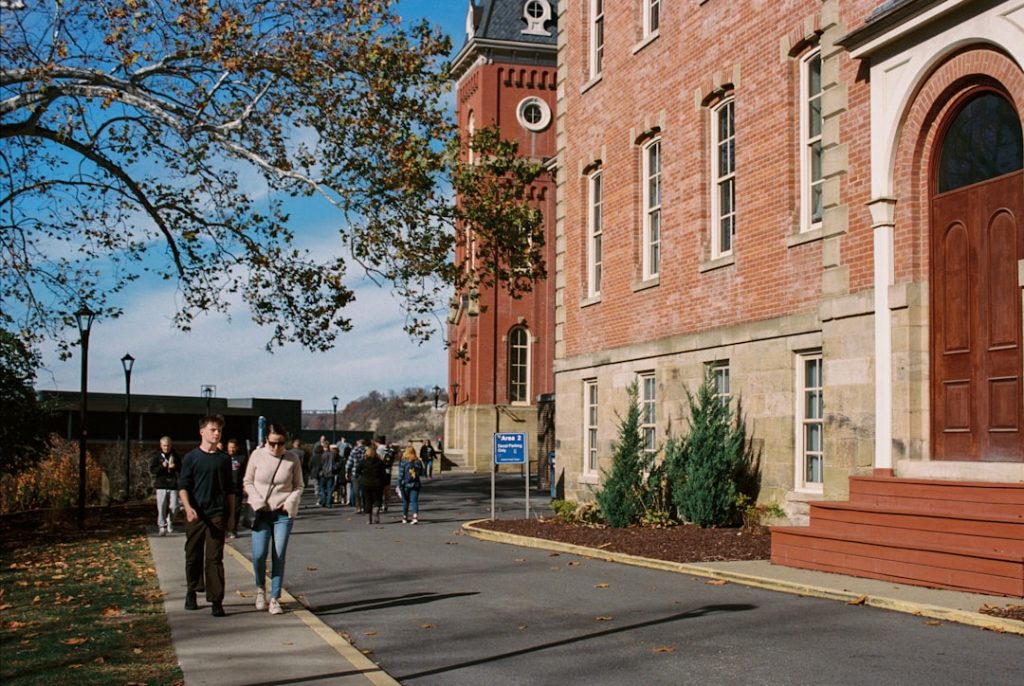
Community colleges serve as vital educational institutions that bridge the gap between high school and four-year universities, offering a diverse array of programs tailored to meet the needs of local populations. Established primarily to provide accessible education, these colleges have evolved into multifaceted centers of learning that cater to a wide range of students, from recent high school graduates to adult learners seeking new skills or career changes. The community college system in the United States is extensive, with over 1,000 institutions serving millions of students each year.
This unique educational model emphasizes affordability, flexibility, and community relevance, making it an essential component of the American higher education landscape. The mission of community colleges extends beyond mere academic instruction; they are designed to foster personal growth, social mobility, and economic development within their communities. By offering a variety of programs, including associate degrees, certificates, and vocational training, community colleges empower individuals to pursue their educational and career aspirations.

This accessibility is particularly crucial in a rapidly changing job market where the demand for skilled labor continues to grow. As such, community colleges play a pivotal role in shaping the workforce of tomorrow while simultaneously addressing the educational needs of their communities.
Key Takeaways
- Community colleges play a vital role in providing accessible education and skills training.
- They foster community engagement and develop local leadership.
- These institutions support economic growth through workforce development programs.
- Community colleges promote diversity and inclusion within their student populations.
- Collaboration with local organizations enhances their impact and empowers students to contribute back to their communities.
The Importance of Community Colleges in Empowering Communities

Community colleges are instrumental in empowering communities by providing educational opportunities that are often tailored to local needs. They serve as a gateway for individuals who may not have had access to higher education due to financial constraints, family obligations, or other barriers. By offering affordable tuition rates and flexible scheduling options, these institutions enable students from diverse backgrounds to pursue their academic goals without incurring significant debt.
This accessibility not only enhances individual lives but also strengthens the fabric of the community as a whole. Moreover, community colleges often focus on programs that align with local economic needs, ensuring that students acquire skills that are in demand within their regions. For instance, many community colleges partner with local industries to develop curricula that address specific workforce shortages.
This alignment between education and employment opportunities fosters a sense of empowerment among students, as they can see a direct correlation between their studies and potential job prospects. As a result, community colleges not only uplift individual students but also contribute to the overall economic vitality of their communities.
Providing Access to Education and Skills Training

One of the most significant contributions of community colleges is their ability to provide access to education and skills training for a diverse student population. These institutions offer a wide range of programs that cater to various interests and career paths, including healthcare, technology, business, and the arts. By providing both academic and vocational training, community colleges equip students with the knowledge and skills necessary to succeed in today’s competitive job market.
In addition to traditional degree programs, many community colleges offer non-credit courses and workforce development programs designed to meet the immediate needs of local employers. For example, short-term training programs in fields such as information technology or healthcare can lead to certifications that enhance employability. These programs are often developed in collaboration with industry partners, ensuring that the training provided is relevant and up-to-date.
This focus on practical skills not only benefits students but also helps local businesses find qualified workers who can contribute to their success.
Fostering Community Engagement and Leadership
| Metric | Description | Measurement Method | Target Value | Current Value |
|---|---|---|---|---|
| Number of Community Events | Total events organized to engage community members | Event logs and calendars | 12 per year | 8 per year |
| Volunteer Participation Rate | Percentage of community members actively volunteering | Volunteer sign-up and attendance records | 30% | 22% |
| Leadership Training Sessions | Number of training sessions held for community leaders | Training attendance records | 6 per year | 4 per year |
| Community Leadership Roles Filled | Number of leadership positions occupied by community members | Organizational charts and role assignments | 15 roles | 12 roles |
| Community Feedback Score | Average satisfaction rating from community surveys | Survey results (scale 1-5) | 4.5 | 4.2 |
| Partnerships with Local Organizations | Number of active collaborations with local groups | Partnership agreements and activity reports | 10 partnerships | 7 partnerships |
Community colleges play a crucial role in fostering community engagement and leadership among their students. Many institutions encourage students to participate in service-learning projects, internships, and volunteer opportunities that connect them with local organizations and initiatives. These experiences not only enhance students’ academic learning but also instill a sense of civic responsibility and community involvement.
Through various leadership programs and student organizations, community colleges empower students to take on active roles within their communities. For instance, student government associations often provide opportunities for students to advocate for their peers and address issues affecting their campus and surrounding areas. By cultivating leadership skills and encouraging civic participation, community colleges help create a generation of informed citizens who are committed to making positive contributions to society.
Supporting Economic Development and Workforce Training
The economic impact of community colleges extends far beyond individual student success; these institutions are key players in regional economic development. By providing targeted workforce training programs that align with local industry needs, community colleges help ensure that businesses have access to a skilled labor pool. This alignment is particularly important in an era where technological advancements and globalization are rapidly changing the nature of work.
Community colleges often collaborate with local governments and economic development agencies to identify emerging industries and workforce trends. For example, in response to the growing demand for renewable energy technicians, some community colleges have developed specialized training programs that prepare students for careers in solar energy or wind turbine maintenance. By proactively addressing workforce gaps, community colleges not only support individual career advancement but also contribute to the overall economic resilience of their communities.
Promoting Diversity and Inclusion

Diversity and inclusion are fundamental principles that underpin the mission of community colleges. These institutions serve a broad spectrum of students from various racial, ethnic, socioeconomic, and educational backgrounds. By creating an inclusive environment that values diversity, community colleges foster a sense of belonging among all students, which is essential for academic success.
Many community colleges implement programs specifically designed to support underrepresented populations, including first-generation college students, low-income individuals, and non-traditional learners. For instance, mentorship programs that pair students with faculty or community leaders can provide valuable guidance and encouragement. Additionally, cultural events and workshops promote awareness and understanding among diverse student groups, enriching the educational experience for everyone involved.
By prioritizing diversity and inclusion, community colleges not only enhance their own campuses but also prepare students to thrive in an increasingly multicultural society.
Collaborating with Local Organizations and Businesses
Collaboration is a cornerstone of the community college model, as these institutions often work closely with local organizations and businesses to enhance educational offerings and address community needs. Partnerships with employers allow community colleges to develop curricula that reflect current industry standards and practices. This collaboration ensures that students receive relevant training that prepares them for successful careers upon graduation.
For example, many community colleges establish advisory boards composed of local business leaders who provide insights into workforce trends and skill requirements. These boards help shape program development and ensure that graduates possess the competencies needed by employers. Additionally, internships and cooperative education opportunities facilitated by these partnerships give students hands-on experience in real-world settings, further enhancing their employability.
Through these collaborative efforts, community colleges strengthen ties within their communities while simultaneously preparing students for meaningful careers.
Empowering Students to Give Back to Their Communities
Community colleges not only educate students but also empower them to give back to their communities in meaningful ways. Many institutions encourage service-learning initiatives that integrate community service with academic coursework. This approach allows students to apply what they have learned in the classroom while making a positive impact on their communities.
For instance, nursing students may participate in health fairs that provide free screenings and health education to underserved populations. Similarly, business students might work with local non-profits to develop marketing strategies or financial plans that enhance organizational effectiveness. These experiences not only benefit the community but also instill a sense of purpose and social responsibility among students.
By fostering a culture of giving back, community colleges help cultivate engaged citizens who are committed to improving their communities long after they graduate. In summary, community colleges play an indispensable role in empowering individuals and strengthening communities through accessible education, workforce training, diversity initiatives, collaboration with local organizations, and fostering civic engagement among students. Their impact resonates far beyond the classroom, contributing significantly to the social fabric and economic vitality of the regions they serve.