

Special education is a tailored educational approach designed to meet the unique needs of students with disabilities or exceptionalities. This field encompasses a wide range of services and supports aimed at ensuring that all students, regardless of their challenges, have access to a quality education. The Individuals with Disabilities Education Act (IDEA) is a pivotal piece of legislation in the United States that mandates schools to provide free and appropriate public education (FAPE) to eligible children with disabilities.
This law emphasizes the importance of individualized instruction and the necessity of accommodating diverse learning needs within the educational system. The philosophy behind special education is rooted in the belief that every child has the right to learn and thrive in an environment that recognizes their individual strengths and challenges. This approach not only focuses on academic achievement but also on social, emotional, and behavioral development.

Educators in special education must be well-versed in various disabilities, including learning disabilities, autism spectrum disorders, emotional disturbances, and physical impairments, among others. Understanding these conditions is crucial for developing effective teaching strategies that can help students overcome barriers to learning and achieve their full potential.
Key Takeaways
- Special education requires understanding diverse learning needs and challenges.
- Tailoring instruction through differentiated methods supports individual student success.
- Assistive technology enhances accessibility and learning opportunities for students with disabilities.
- Collaboration with parents and caregivers is essential for effective support and progress.
- Inclusive classrooms promote acceptance, belonging, and equal opportunities for all students.
Identifying Individual Needs
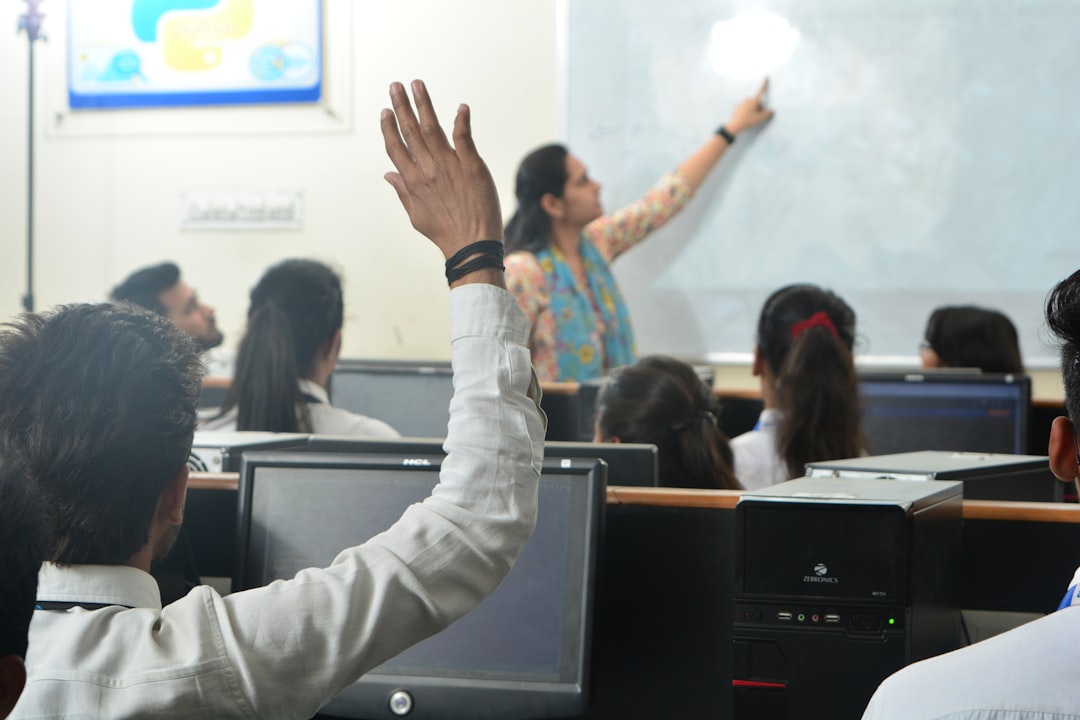
Identifying the individual needs of students in special education is a critical first step in providing effective support. This process often begins with comprehensive assessments that evaluate a student’s cognitive abilities, academic skills, social-emotional functioning, and adaptive behavior. These assessments can include standardized tests, observations, and input from parents and teachers.
The goal is to create a holistic picture of the student’s strengths and weaknesses, which will inform the development of tailored educational strategies. In addition to formal assessments, ongoing observation and communication are essential for understanding a student’s evolving needs. Teachers must be attuned to changes in behavior, engagement levels, and academic performance.
For instance, a student who initially struggles with reading may show signs of improvement when provided with targeted interventions. Conversely, a student who previously excelled may begin to falter due to external factors such as family issues or mental health challenges. By maintaining an open dialogue with students and their families, educators can better identify these shifts and adjust their approaches accordingly.
Building a Supportive Environment
Creating a supportive environment is fundamental to the success of students in special education. This environment should be characterized by inclusivity, understanding, and respect for diversity. A classroom that fosters positive relationships among students encourages collaboration and peer support, which can significantly enhance learning outcomes.
Teachers play a pivotal role in establishing this atmosphere by modeling empathy and promoting acceptance among all students. Physical space also contributes to a supportive environment. Classrooms should be organized in a way that accommodates various learning styles and needs.
For example, flexible seating arrangements can allow students to choose where they feel most comfortable learning, whether that be at a traditional desk or in a more relaxed setting like a bean bag chair. Additionally, visual aids, sensory tools, and quiet areas can help students who may become overwhelmed or distracted. By thoughtfully designing the classroom space, educators can create an environment that not only supports academic learning but also nurtures emotional well-being.
Utilizing Differentiated Instruction
| Metric | Description | Example Data | Measurement Method |
|---|---|---|---|
| Student Engagement Rate | Percentage of students actively participating during differentiated lessons | 85% | Classroom observations and student surveys |
| Academic Growth | Improvement in student test scores after implementing differentiated instruction | 12% increase in math scores | Pre- and post-assessment comparisons |
| Student Satisfaction | Students’ reported satisfaction with learning activities tailored to their needs | 4.3 out of 5 (Likert scale) | Student feedback surveys |
| Teacher Preparedness | Percentage of teachers trained in differentiated instruction strategies | 75% | Professional development records |
| Lesson Adaptation Frequency | Number of lessons modified to accommodate diverse learning styles per month | 8 lessons/month | Teacher lesson plan reviews |
| Individualized Support Sessions | Average number of one-on-one or small group sessions per student | 3 sessions/month | Teacher logs and schedules |
Differentiated instruction is an essential strategy in special education that involves tailoring teaching methods to accommodate the diverse learning styles and abilities of students. This approach recognizes that students learn in different ways and at different paces, necessitating varied instructional techniques to engage all learners effectively. For instance, a teacher might use visual aids for students who are visual learners while providing hands-on activities for those who learn best through kinesthetic experiences.
Moreover, differentiated instruction extends beyond merely adjusting content delivery; it also involves modifying assessments and learning outcomes based on individual student needs. For example, a student with a learning disability may be given extra time on tests or allowed to demonstrate their understanding through alternative means, such as oral presentations instead of written reports. By embracing differentiation, educators can create a more equitable learning environment where all students have the opportunity to succeed.
Implementing Assistive Technology
Assistive technology plays a transformative role in special education by providing tools that enhance learning opportunities for students with disabilities. These technologies range from simple devices like pencil grips and magnifying glasses to more complex software programs that facilitate communication and learning. For instance, text-to-speech software can assist students with reading difficulties by converting written text into spoken words, allowing them to access information more easily.
In addition to software solutions, hardware such as tablets and specialized communication devices can empower students who may struggle with traditional forms of expression. For example, augmentative and alternative communication (AAC) devices enable non-verbal students to communicate their thoughts and needs effectively. The integration of assistive technology not only supports academic achievement but also fosters independence and self-advocacy among students with disabilities.
Fostering Collaboration with Parents and Caregivers
Collaboration between educators and parents or caregivers is vital for the success of students in special education. Parents possess invaluable insights into their child’s strengths, challenges, and preferences that can inform instructional strategies. Establishing open lines of communication allows for the sharing of information regarding the child’s progress, behavioral changes, and any concerns that may arise outside of school.
Regular meetings between teachers and parents can facilitate this collaboration, providing opportunities for both parties to discuss goals for the student and strategies for achieving them. Additionally, involving parents in the decision-making process regarding their child’s education fosters a sense of partnership and shared responsibility. When parents feel valued as part of the educational team, they are more likely to engage actively in their child’s learning journey, reinforcing skills at home and advocating for necessary resources.
Creating Individualized Education Plans (IEPs)
An Individualized Education Plan (IEP) is a legally binding document that outlines specific educational goals and services for students with disabilities. The IEP process begins with a thorough evaluation of the student’s needs, followed by collaboration among educators, parents, and specialists to develop tailored objectives that align with the student’s unique strengths and challenges. These plans are reviewed annually to ensure they remain relevant as the student progresses.
The IEP serves multiple purposes: it provides clear expectations for both educators and students while ensuring accountability for the delivery of services. Goals outlined in an IEP must be measurable and achievable within a specified timeframe, allowing educators to track progress effectively. For example, if a student has difficulty with reading comprehension, an IEP might include specific goals related to improving fluency or understanding key concepts within texts.
By focusing on individualized objectives, IEPs play a crucial role in guiding instruction and supporting student growth.
Promoting Inclusion and Acceptance in the Classroom
Promoting inclusion and acceptance within the classroom is essential for fostering a sense of belonging among all students, particularly those with disabilities. Inclusive education practices encourage interaction between students of varying abilities, helping to break down barriers and dispel misconceptions about disabilities. Educators can facilitate this by incorporating cooperative learning activities that require collaboration among all students, allowing them to learn from one another’s perspectives.
Furthermore, teaching empathy and understanding is critical in cultivating an inclusive classroom culture. Educators can implement lessons that address diversity and promote discussions about differences among peers. Activities such as role-playing or storytelling can help students appreciate each other’s experiences while fostering compassion and respect.
By creating an environment where acceptance is prioritized, educators not only enhance social dynamics but also contribute to the overall emotional well-being of their students. In summary, special education encompasses a multifaceted approach aimed at meeting the diverse needs of students with disabilities. Through careful identification of individual needs, building supportive environments, utilizing differentiated instruction, implementing assistive technology, fostering collaboration with parents, creating IEPs, and promoting inclusion, educators can significantly impact the educational experiences of these students.
Each component plays a vital role in ensuring that all learners have equitable access to quality education while developing essential skills for lifelong success.
