
Selecting the right play school for a child is a pivotal decision that can significantly influence their early development and future educational journey. The formative years of a child’s life are marked by rapid growth, both cognitively and socially. During this critical period, children are not only learning foundational academic skills but also developing essential social skills, emotional intelligence, and a sense of independence.
A nurturing and stimulating environment can foster a love for learning, while a less suitable setting may hinder a child’s enthusiasm and confidence. Therefore, parents must approach this decision with careful consideration and an understanding of its long-term implications. Moreover, the right play school can serve as a bridge between home and formal education.

It introduces children to structured routines, peer interactions, and the concept of authority figures outside their family unit. This transition is crucial as it prepares them for the more formalized learning experiences they will encounter in primary school. A well-chosen play school can help children develop resilience, adaptability, and problem-solving skills, all of which are vital for their future academic success.
Thus, the importance of selecting an appropriate play school cannot be overstated; it lays the groundwork for a child’s lifelong learning journey.
Key Takeaways
- Selecting the right play school is crucial for a child’s early development and future learning.
- Key factors include location, curriculum, teaching methods, facilities, and staff qualifications.
- Thorough research and visits help evaluate play schools effectively.
- Understanding the curriculum and meeting teachers ensures alignment with your child’s needs.
- Careful assessment and informed decision-making lead to the best enrollment choice.

Factors to Consider When Choosing a Play School
When embarking on the journey to find the ideal play school, several factors warrant careful consideration. One of the foremost aspects is the school’s philosophy and approach to early childhood education. Different schools may adopt various educational philosophies, such as Montessori, Reggio Emilia, or traditional play-based learning.
Understanding these philosophies can help parents align their values and expectations with the school’s approach. For instance, a Montessori school emphasizes self-directed learning and hands-on activities, which may appeal to parents who value independence and exploration in their child’s learning process. Another critical factor is the school’s location and accessibility.
A conveniently located play school can ease daily logistics for parents, making drop-offs and pick-ups more manageable. Additionally, proximity to home or work can provide peace of mind, knowing that help is nearby in case of emergencies. However, convenience should not overshadow other essential considerations such as the quality of education and the overall environment of the school.
Parents should weigh the importance of location against other factors to ensure they are making a well-rounded decision.
Researching Play Schools Near Me
In today’s digital age, researching play schools has become more accessible than ever. Parents can utilize online resources to gather information about various institutions in their vicinity. Websites dedicated to early childhood education often provide comprehensive lists of local play schools, complete with reviews and ratings from other parents.
Social media platforms and parenting forums can also serve as valuable resources for firsthand accounts and recommendations. Engaging with local community groups can yield insights into which schools have strong reputations and which may not meet expectations. Additionally, visiting school websites can provide a wealth of information regarding their mission statements, curriculum offerings, and extracurricular activities.
Many schools also share testimonials from parents and success stories from former students, which can help prospective parents gauge the effectiveness of the school’s programs. However, while online research is beneficial, it should be complemented by in-person visits to truly understand the atmosphere and culture of each institution.
Visiting and Evaluating Play Schools
| Criteria | Description | Evaluation Metric | Rating Scale |
|---|---|---|---|
| Safety Measures | Assessment of child safety protocols and environment | Presence of safety equipment, secure premises, emergency plans | 1 (Poor) to 5 (Excellent) |
| Teacher Qualifications | Credentials and experience of teaching staff | Percentage of certified teachers, years of experience | 1 (Low) to 5 (High) |
| Learning Environment | Quality and variety of learning materials and play areas | Number of educational toys, cleanliness, space per child | 1 (Inadequate) to 5 (Outstanding) |
| Student-Teacher Ratio | Number of children per teacher | Ratio value (e.g., 10:1) | Lower ratio preferred |
| Curriculum | Structure and content of educational programs | Inclusion of developmental milestones, creativity, social skills | 1 (Limited) to 5 (Comprehensive) |
| Parental Involvement | Opportunities for parents to engage with school activities | Frequency of meetings, events, communication channels | 1 (Rare) to 5 (Frequent) |
| Facilities | Availability of amenities like restrooms, nap areas, outdoor play | Number and condition of facilities | 1 (Poor) to 5 (Excellent) |
| Cost | Tuition and additional fees | Monthly fee amount | Comparative affordability |
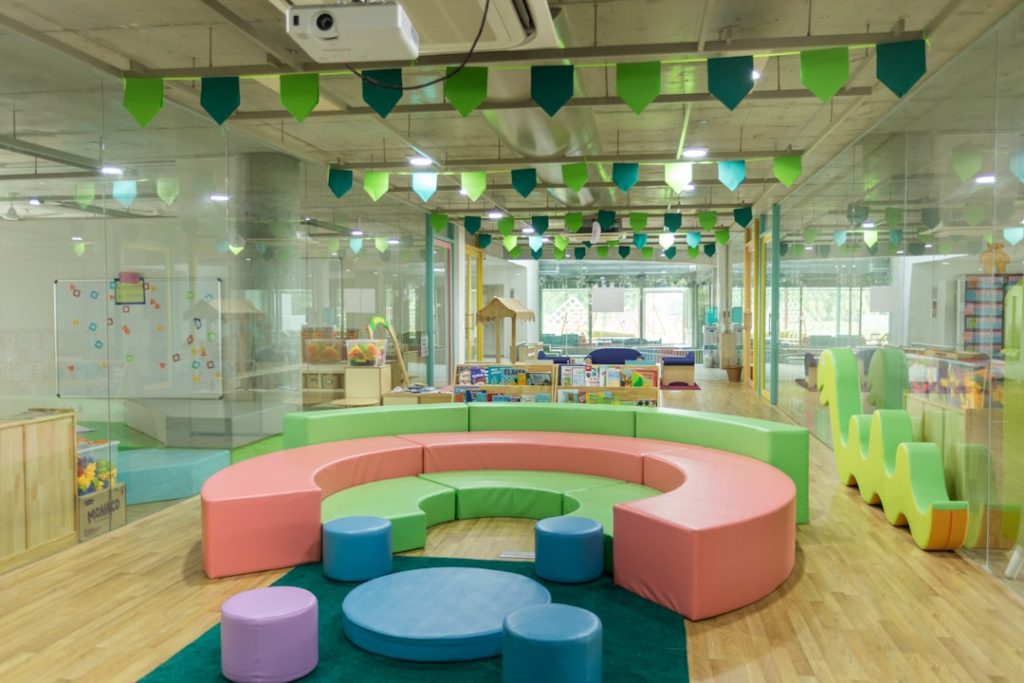
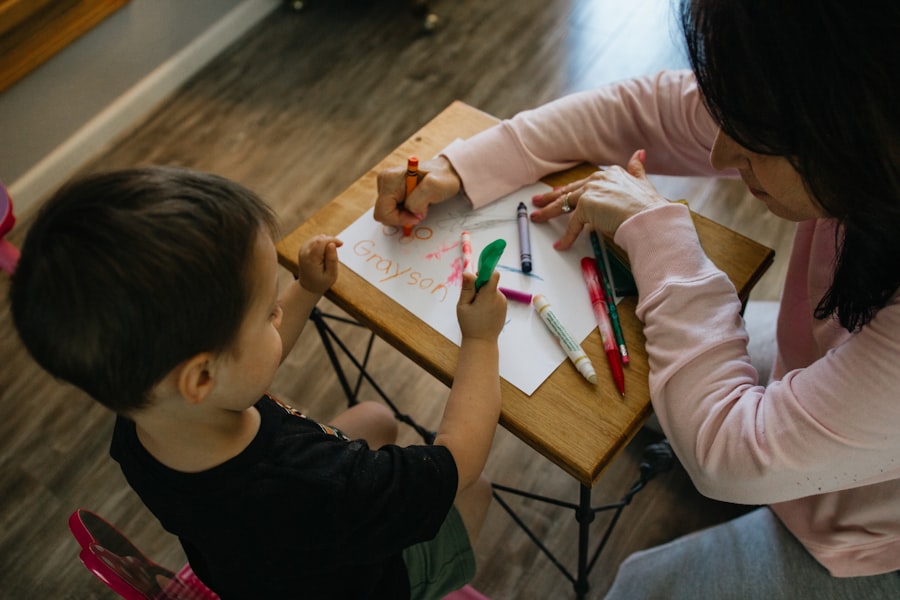
Once a shortlist of potential play schools has been compiled through research, the next step involves visiting these institutions to evaluate them firsthand. During these visits, parents should pay close attention to the overall environment of the school. Is it welcoming and child-friendly? Are the classrooms bright and engaging? Observing how children interact with their surroundings can provide valuable insights into the school’s atmosphere. A vibrant environment filled with age-appropriate materials can stimulate curiosity and creativity in young learners. Moreover, it is essential to observe how teachers interact with children during these visits. Engaged educators who demonstrate warmth and enthusiasm can significantly impact a child’s experience at school. Parents should look for signs of positive teacher-student interactions, such as teachers kneeling to speak at a child’s level or actively participating in playtime activities. These observations can help parents assess whether the school’s teaching staff aligns with their expectations for nurturing and supportive educational experiences.
Understanding the Curriculum and Teaching Methods
A thorough understanding of the curriculum and teaching methods employed by a play school is crucial for making an informed decision. Different schools may offer varying approaches to early childhood education, each with its unique strengths and weaknesses. For instance, some institutions may focus heavily on structured academic learning, while others prioritize play-based learning that encourages exploration and creativity.
Parents should consider their child’s individual learning style when evaluating these approaches. Additionally, it is important to inquire about how the curriculum is designed to promote holistic development. A well-rounded curriculum should encompass not only cognitive skills but also social-emotional development, physical health, and creative expression.
Parents should ask about specific activities that foster these areas of growth, such as art projects, group games, or outdoor exploration. Understanding how a school integrates various aspects of development into its curriculum can help parents determine whether it aligns with their educational goals for their child.
Assessing the Facilities and Environment
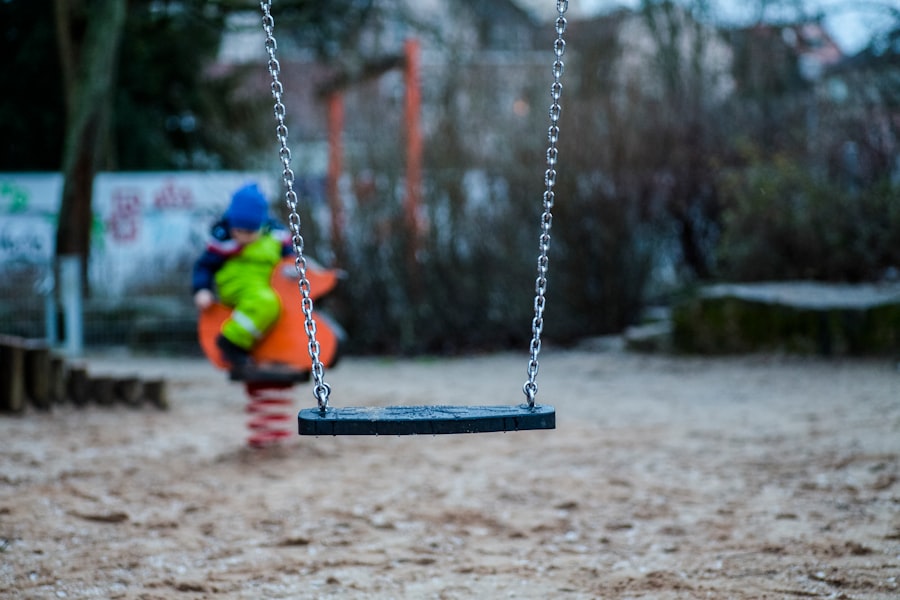
The physical environment of a play school plays a significant role in shaping a child’s educational experience. Parents should assess the facilities available at each institution during their visits. Are there ample outdoor spaces for physical activity?
Is there a safe and secure playground? Access to nature can enhance children’s learning experiences by providing opportunities for exploration and discovery. Additionally, indoor spaces should be well-organized and equipped with age-appropriate materials that encourage imaginative play.
Safety is another paramount concern when evaluating facilities. Parents should inquire about safety protocols in place at the school, including emergency procedures and staff training in first aid or CPR. Cleanliness is also an important factor; a well-maintained environment reflects a commitment to health and safety standards.
By thoroughly assessing these aspects of the facilities, parents can ensure that their child will be in a safe and conducive learning environment.
Meeting the Teachers and Staff
Meeting with teachers and staff members is an essential component of choosing the right play school. These individuals will be instrumental in shaping a child’s early educational experiences, so understanding their qualifications, teaching styles, and philosophies is crucial. Parents should take the opportunity to ask questions about teachers’ backgrounds, training in early childhood education, and ongoing professional development efforts.
This information can provide insight into the quality of instruction that children will receive. Furthermore, observing how teachers interact with children during visits can reveal much about their approach to education. Are they attentive to children’s needs?
Do they encourage exploration and curiosity? Engaging with teachers allows parents to gauge whether they feel comfortable entrusting their child’s education to these individuals. Building a rapport with teachers can also facilitate open communication between parents and staff throughout the child’s time at the school.
Making the Final Decision and Enrolling Your Child
After thorough research, visits, and evaluations, parents will eventually need to make a final decision regarding which play school best suits their child’s needs. This decision should be based on a combination of factors including educational philosophy, curriculum offerings, facilities, teacher interactions, and overall fit with family values. It is essential for parents to trust their instincts during this process; if something feels off or does not align with their expectations, it may be worth considering other options.
Once a decision has been made, enrolling a child in the chosen play school typically involves completing necessary paperwork and possibly attending orientation sessions designed for new families. This process often includes providing essential information about the child’s health history, emergency contacts, and any special needs or considerations that may be relevant for staff members to know. Engaging in this process thoughtfully ensures that both parents and children feel prepared for this new chapter in their educational journey.
Choosing the right play school is an intricate process that requires careful thought and consideration at every step. By understanding its importance, evaluating various factors, conducting thorough research, visiting schools, assessing curricula and facilities, meeting staff members, and ultimately making an informed decision, parents can set their children on a path toward successful early learning experiences that will benefit them throughout their lives.