

Embarking on a nursing career is a significant decision that requires careful consideration of your long-term professional aspirations. Understanding your career goals is the first step in this journey. Are you drawn to direct patient care, or do you envision yourself in a leadership role within healthcare?
Perhaps you are interested in specializing in a particular area, such as pediatrics, geriatrics, or critical care. Each of these paths requires different educational backgrounds and skill sets, making it essential to clarify your objectives before selecting a nursing program. Moreover, your career goals will influence the type of nursing degree you pursue.

For instance, if you aim to become a registered nurse (RN), you might consider an Associate Degree in Nursing (ADN) or a Bachelor of Science in Nursing (BSN). Alternatively, if your ambitions include advanced practice roles, such as nurse practitioner or clinical nurse specialist, a Master of Science in Nursing (MSN) or even a Doctor of Nursing Practice (DNP) may be necessary. By aligning your educational choices with your career aspirations, you can create a roadmap that guides your academic journey and professional development.
Key Takeaways
- Clarify your career goals to choose the most suitable nursing program.
- Investigate program accreditation to ensure quality education and licensure eligibility.
- Consider location and accessibility for convenience and work-life balance.
- Explore program specializations to align with your nursing interests and career path.
- Review costs, financial aid options, and application deadlines to plan effectively.
Researching Nursing Programs

Once you have a clear understanding of your career goals, the next step is to research nursing programs that align with those objectives. The landscape of nursing education is vast, with numerous institutions offering various degrees and specializations. Start by compiling a list of potential schools and examining their curricula, faculty qualifications, and clinical opportunities.
Look for programs that not only provide a solid theoretical foundation but also emphasize hands-on experience through clinical rotations and simulations. In addition to the curriculum, consider the reputation of the nursing program. Accreditation is a key factor in determining the quality of education you will receive.
Programs accredited by recognized bodies, such as the Commission on Collegiate Nursing Education (CCNE) or the Accreditation Commission for Education in Nursing (ACEN), often have rigorous standards that ensure students are well-prepared for the demands of the nursing profession. Furthermore, alumni success rates, including job placement statistics and licensure exam pass rates, can provide valuable insights into the effectiveness of a program.
Location and Accessibility
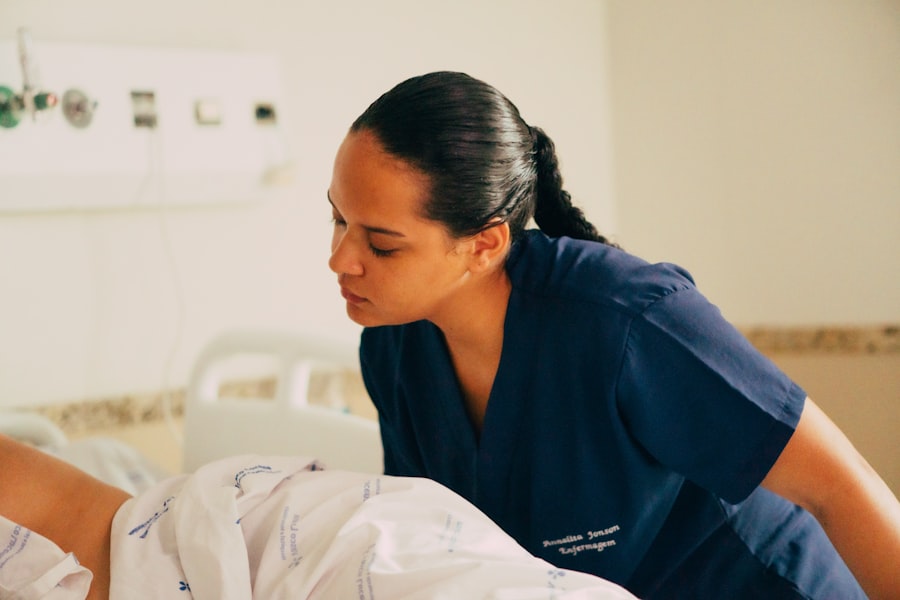
The location of a nursing program can significantly impact your educational experience and overall quality of life during your studies. Consider whether you prefer an urban or rural setting, as each offers distinct advantages and challenges. Urban areas may provide more opportunities for clinical placements and networking within healthcare systems, while rural settings might offer smaller class sizes and a more personalized educational experience.
Additionally, think about your living arrangements and whether you will need to commute or relocate for your studies. Accessibility is another crucial factor to consider when evaluating nursing programs. Investigate the availability of public transportation options if you plan to commute, as well as the proximity of the campus to hospitals and healthcare facilities where you may complete your clinical rotations.
Some programs may also offer flexible scheduling options, such as evening or weekend classes, which can be beneficial for those balancing work or family commitments alongside their education.
Program Accreditation
| Program Name | Accrediting Body | Accreditation Status | Year Accredited | Next Review Date | Duration of Accreditation (Years) | Comments |
|---|---|---|---|---|---|---|
| Computer Science | ABET | Accredited | 2022 | 2027 | 5 | Meets all quality standards |
| Business Administration | AACSB | Accredited | 2021 | 2026 | 5 | Strong faculty qualifications |
| Nursing | CCNE | Probation | 2020 | 2023 | 3 | Needs improvement in clinical hours |
| Engineering | ABET | Accredited | 2019 | 2024 | 5 | Strong industry partnerships |
| Education | CAEP | Accredited | 2023 | 2028 | 5 | High graduate employment rate |
Accreditation serves as a hallmark of quality in nursing education, ensuring that programs meet established standards for curriculum, faculty qualifications, and student outcomes. When researching nursing programs, it is imperative to verify their accreditation status. Programs accredited by recognized organizations like the CCNE or ACEN are more likely to provide a comprehensive education that prepares students for the rigors of nursing practice.
Moreover, attending an accredited program can have significant implications for your future career. Many employers prefer or require candidates to have graduated from accredited programs, as this often correlates with a higher level of preparedness for clinical practice. Additionally, accreditation is essential for eligibility for federal financial aid and licensure examinations.
Therefore, ensuring that your chosen program holds proper accreditation is not just a matter of academic quality; it is also crucial for your professional trajectory.
Program Specializations
As you delve deeper into your research on nursing programs, consider the various specializations available within the field. Nursing is an incredibly diverse profession with numerous pathways that cater to different interests and skills. For example, if you have a passion for working with children, pursuing a specialization in pediatric nursing may be ideal.
Alternatively, if you are interested in mental health, consider programs that offer training in psychiatric nursing. Specializations can also influence your career trajectory and earning potential. Advanced practice roles such as nurse anesthetists or nurse midwives often require additional education and certification but can lead to higher salaries and increased job responsibilities.
Investigating the specializations offered by different programs will help you identify which align with your interests and career goals while also providing insight into potential job markets and demand for specific nursing roles.
Cost and Financial Aid Options

The cost of nursing education can vary significantly depending on the institution, program length, and location. It is essential to conduct a thorough analysis of tuition fees, additional expenses such as textbooks and supplies, and any potential hidden costs associated with clinical placements or lab fees. Understanding the financial commitment involved will help you make informed decisions about which programs are feasible within your budget.
Fortunately, there are numerous financial aid options available to nursing students. Federal student loans, grants, scholarships, and work-study programs can alleviate some of the financial burdens associated with pursuing a nursing degree. Many schools also offer their own scholarships specifically for nursing students based on merit or financial need.
Additionally, some healthcare organizations provide tuition reimbursement or loan forgiveness programs for nurses who commit to working in underserved areas or specific specialties after graduation. Exploring these options can significantly impact your ability to finance your education without incurring excessive debt.
Campus Visits and Open Houses
Visiting campuses and attending open houses can provide invaluable insights into the nursing programs you are considering. These experiences allow you to interact with faculty members, current students, and admissions staff while gaining a firsthand look at the facilities and resources available to students. During these visits, pay attention to the learning environment—are classrooms equipped with modern technology?
Is there access to simulation labs that mimic real-world clinical scenarios? Additionally, campus visits offer an opportunity to assess the culture of the program and institution as a whole. Engaging with current students can provide insights into their experiences within the program, including the level of support from faculty and staff, opportunities for extracurricular involvement, and overall satisfaction with their education.
This firsthand information can be instrumental in determining whether a particular program aligns with your personal values and educational expectations.
Application Process and Deadlines
Navigating the application process for nursing programs can be complex and time-consuming. Each institution may have its own set of requirements, including transcripts, letters of recommendation, personal statements, and standardized test scores such as the TEAS or HESI A2. It is crucial to familiarize yourself with these requirements early on to ensure that you submit a complete application by the designated deadlines.
Deadlines can vary significantly between programs; some may have rolling admissions while others adhere to strict timelines. Keeping track of these dates is essential to avoid missing out on opportunities for admission. Additionally, consider preparing your application materials well in advance to allow time for revisions and feedback from mentors or advisors.
A well-crafted application can make a significant difference in your chances of acceptance into competitive nursing programs. In conclusion, pursuing a career in nursing requires careful planning and consideration at every stage of the process—from understanding your career goals to navigating the application process. By taking the time to research programs thoroughly and evaluate factors such as location, accreditation, specializations, costs, campus culture, and application requirements, you can make informed decisions that will set you on a path toward success in this rewarding profession.