

The Central Board of Secondary Education (CBSE) 10th result is a pivotal moment in the academic journey of students in India. This examination, typically held in March, serves as a significant milestone that not only reflects a student’s academic performance but also influences their future educational and career paths. The results are usually announced in May, and they are eagerly awaited by students, parents, and educators alike.
The marks obtained in this examination can determine the stream a student will pursue in higher secondary education, making it essential for students to understand the implications of their results. The CBSE 10th result is calculated based on a combination of internal assessments and final examinations. Students are graded on various subjects, including languages, mathematics, science, and social studies.

The grading system has evolved over the years, transitioning from a percentage-based system to a grading system that includes letter grades. This shift aims to reduce stress among students and provide a more holistic view of their performance. Understanding how these grades translate into opportunities is crucial for students as they prepare to make significant decisions about their future.
Key Takeaways
- CBSE 10th results are crucial for determining future academic and career paths.
- Students can choose from Science, Commerce, or Arts streams based on their interests and strengths.
- Diploma and vocational courses offer practical skills and alternative career options after 10th.
- Preparing for competitive exams early can open doors to specialized education and scholarships.
- Career counselors and skill development programs provide valuable guidance and enhance employability.
Exploring Career Options After 10th
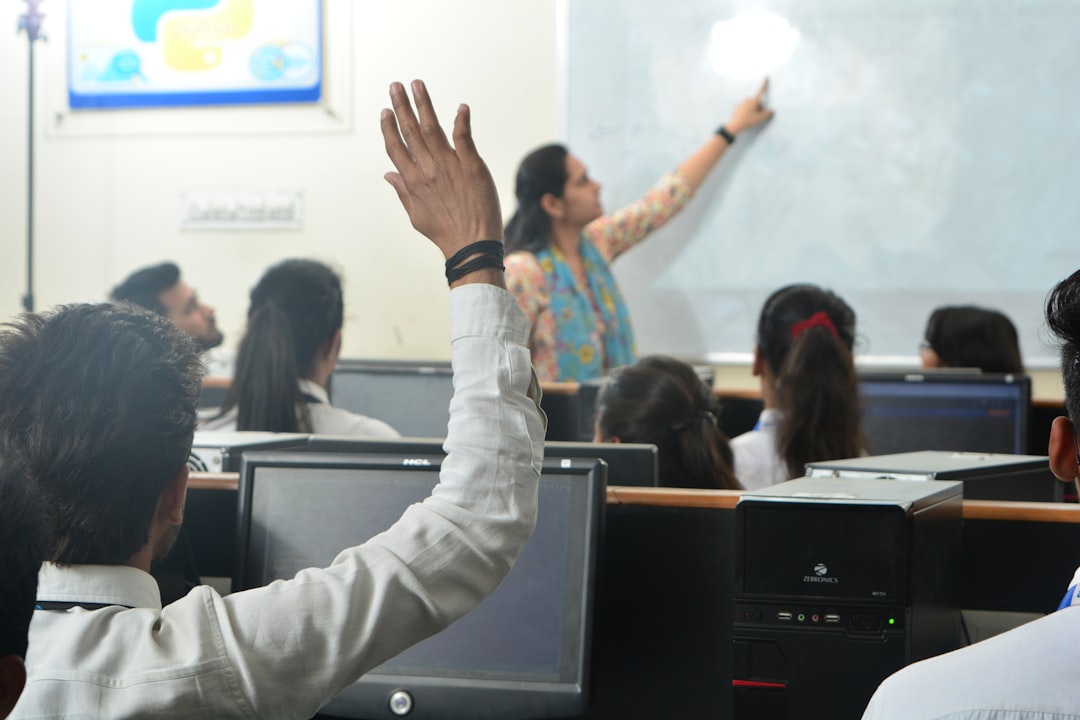
After receiving their CBSE 10th results, students often find themselves at a crossroads, faced with numerous career options that can shape their futures. The choices available can be overwhelming, but they also present an opportunity for students to explore their interests and strengths. Some students may choose to continue their education in traditional streams like science, commerce, or arts, while others may opt for vocational training or diploma courses that align more closely with their career aspirations.
In recent years, there has been a growing emphasis on skill-based education and vocational training. This shift recognizes that not all students are inclined towards academic pursuits; many possess practical skills and interests that can lead to successful careers in fields such as hospitality, information technology, and healthcare. For instance, students interested in technology might consider pursuing courses in computer applications or web development, while those drawn to the culinary arts could explore programs in hotel management or culinary skills.
The key is for students to assess their passions and aptitudes critically before making a decision.
Choosing the Right Stream: Science, Commerce, or Arts
Choosing the right stream after the 10th grade is one of the most critical decisions a student will make. Each stream—science, commerce, and arts—offers unique opportunities and challenges. The science stream is often perceived as the most rigorous, focusing on subjects like physics, chemistry, and biology.
Students who excel in analytical thinking and have a keen interest in understanding the natural world may find this stream particularly rewarding. Pursuing science can lead to careers in engineering, medicine, research, and technology. On the other hand, the commerce stream caters to those interested in business, finance, and economics.
Subjects such as accountancy, business studies, and economics form the core of this stream. Students who are inclined towards entrepreneurship or aspire to work in corporate sectors may find commerce to be a suitable choice. The arts stream offers a diverse range of subjects including literature, history, psychology, and fine arts.
This stream is ideal for creative individuals who wish to explore fields such as design, media, education, or social sciences. Each stream has its own set of career pathways; thus, students must reflect on their interests and long-term goals when making this decision.
Enrolling in Diploma or Vocational Courses
| Metric | Value | Unit | Year | Notes |
|---|---|---|---|---|
| Enrollment Rate | 35 | Percent | 2023 | Percentage of students enrolling in diploma or vocational courses out of total higher education enrollments |
| Completion Rate | 78 | Percent | 2023 | Percentage of students completing diploma or vocational courses |
| Average Course Duration | 1.5 | Years | 2023 | Typical length of diploma or vocational courses |
| Employment Rate Post-Completion | 65 | Percent | 2023 | Percentage of graduates employed within 6 months of course completion |
| Popular Fields | Information Technology, Healthcare, Engineering | Categories | 2023 | Top three fields for diploma or vocational course enrollment |
| Average Tuition Fee | 1200 | Units | 2023 | Average cost of diploma or vocational courses (excluding scholarships) |
For many students, enrolling in diploma or vocational courses can be an excellent alternative to traditional academic pathways after completing the 10th grade. These programs are designed to provide practical skills and knowledge that are directly applicable to specific industries. They often have shorter durations compared to degree programs and can lead to immediate employment opportunities.
Fields such as fashion design, graphic design, automotive technology, and healthcare offer various diploma courses that cater to diverse interests. Vocational training programs are particularly beneficial for students who may not wish to pursue higher education immediately or who prefer hands-on learning experiences. For example, a student interested in becoming a chef might enroll in a culinary arts diploma program that includes both theoretical knowledge and practical kitchen experience.
Similarly, those drawn to technology might consider courses in computer hardware or software development. These programs not only equip students with essential skills but also enhance their employability by aligning their training with industry demands.
Preparing for Competitive Exams
As students navigate their post-10th educational paths, many may choose to prepare for competitive exams that can open doors to prestigious institutions or specialized fields. These exams vary widely depending on the desired career path; for instance, engineering aspirants often prepare for exams like JEE (Joint Entrance Examination), while those interested in medical fields may focus on NEET (National Eligibility cum Entrance Test). The preparation for these exams requires dedication and strategic planning.
Effective preparation involves understanding the exam syllabus, practicing previous years’ question papers, and taking mock tests to gauge one’s readiness. Many coaching institutes offer specialized programs aimed at helping students excel in these competitive exams. Additionally, online resources and study groups can provide valuable support during this rigorous preparation phase.
Students must also develop effective time management skills to balance their studies with other commitments while maintaining their mental well-being throughout this challenging process.
Considering International Education Opportunities
In an increasingly globalized world, many students are exploring international education opportunities after completing their 10th grade. Studying abroad can provide exposure to different cultures, educational systems, and career prospects that may not be available locally. Countries like the United States, Canada, Australia, and the United Kingdom offer various high school programs that cater to international students.
Students considering this path should research potential countries and institutions thoroughly. Factors such as language requirements, visa regulations, tuition fees, and living expenses play a crucial role in decision-making. Additionally, some countries offer scholarships specifically for international students that can alleviate financial burdens.
Engaging with educational consultants or attending study abroad fairs can provide valuable insights into the application process and help students make informed choices about their international education journey.
Seeking Guidance from Career Counselors
Navigating the myriad of options available after the 10th grade can be daunting for many students; this is where career counselors play an invaluable role. These professionals are equipped with the knowledge and tools necessary to guide students through their decision-making processes. They can help students identify their strengths and interests through assessments and discussions, providing personalized recommendations based on individual aspirations.
Career counseling sessions often include exploring various educational pathways, understanding job market trends, and discussing potential career outcomes associated with different streams or courses. Counselors can also assist students in setting realistic goals and developing action plans to achieve them. By fostering open communication and providing support during this critical transition period, career counselors empower students to make informed choices that align with their long-term objectives.
Exploring Skill Development Programs
In today’s fast-paced job market, possessing technical skills is often just as important as academic qualifications. Skill development programs have gained prominence as they equip students with practical abilities that enhance employability across various sectors. These programs focus on specific skills such as coding, digital marketing, graphic design, or even soft skills like communication and teamwork.
Many organizations and institutions offer skill development initiatives tailored for young individuals seeking to enhance their employability prospects. For instance, government initiatives like the Skill India Mission aim to provide training across diverse sectors to bridge the skill gap in the workforce. Students can also explore online platforms that offer courses in emerging fields such as artificial intelligence or data analytics.
By actively participating in skill development programs, students not only improve their job readiness but also gain confidence in their abilities to navigate an ever-evolving professional landscape. In conclusion, the journey following the CBSE 10th result is filled with opportunities for exploration and growth. By understanding their options—whether pursuing traditional academic streams or engaging in vocational training—students can carve out paths that align with their passions and aspirations.
With guidance from counselors and participation in skill development programs, they can equip themselves with the tools necessary for success in an increasingly competitive world.