

Cultural diversity refers to the variety of cultural expressions, practices, and identities that exist within a society or across the globe. It encompasses differences in language, religion, traditions, customs, and social norms, which are shaped by historical contexts and geographical locations. The concept of cultural diversity is not merely about recognizing these differences; it also involves understanding how they interact and influence one another.
For instance, in a multicultural society, various cultural groups may coexist, each contributing unique perspectives and practices that enrich the social fabric. This interplay can lead to a dynamic exchange of ideas, fostering creativity and innovation. Moreover, cultural diversity is essential for promoting tolerance and respect among individuals from different backgrounds.

In an increasingly interconnected world, understanding cultural diversity becomes crucial for navigating complex social landscapes. It encourages individuals to appreciate the richness of human experience and to recognize the value of different viewpoints. By embracing cultural diversity, societies can cultivate environments where dialogue and collaboration thrive, ultimately leading to more harmonious coexistence.
This understanding is foundational for educators, policymakers, and community leaders who aim to create inclusive spaces that honor and celebrate the myriad cultures that shape our world.
Key Takeaways
- Cultural diversity enriches social studies by broadening perspectives and fostering inclusivity.
- Effective teaching of cultural diversity involves using diverse resources and engaging classroom activities.
- Addressing biases and stereotypes is crucial for creating an equitable learning environment.
- Celebrating cultural diversity within the curriculum promotes respect and appreciation for different cultures.
- Understanding cultural diversity enhances students’ development as informed global citizens.
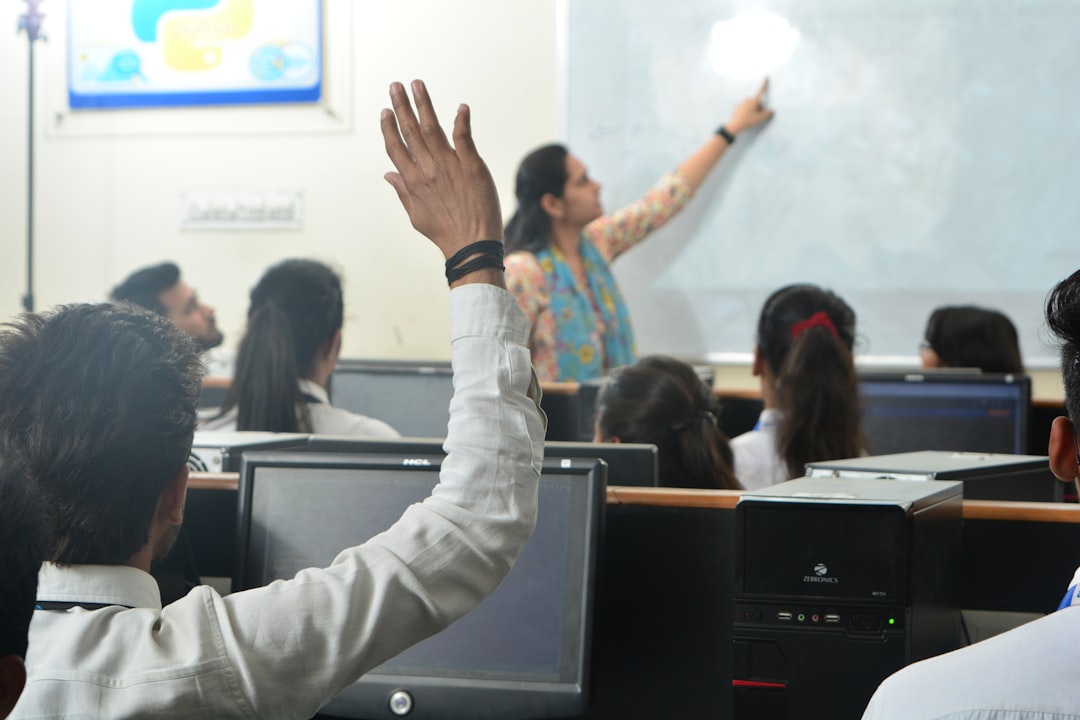
Importance of Cultural Diversity in Social Studies
The significance of cultural diversity in social studies cannot be overstated. Social studies as a discipline seeks to explore human behavior, societal structures, and historical developments through various lenses, including geography, history, economics, and political science. By integrating cultural diversity into social studies curricula, educators can provide students with a more comprehensive understanding of the world around them.
This approach allows learners to examine historical events and contemporary issues through the perspectives of diverse cultural groups, fostering critical thinking and empathy. Incorporating cultural diversity into social studies also prepares students for active participation in a globalized society. As they learn about different cultures, students develop skills necessary for effective communication and collaboration with individuals from various backgrounds.
This exposure not only enhances their academic experience but also equips them with the tools needed to navigate an increasingly diverse workforce. Furthermore, understanding cultural diversity helps students recognize the interconnectedness of global issues such as climate change, migration, and social justice, encouraging them to think critically about their roles as informed citizens.
Teaching Cultural Diversity in the Classroom
Teaching cultural diversity in the classroom requires intentional planning and a commitment to inclusivity. Educators can begin by creating a culturally responsive curriculum that reflects the diverse backgrounds of their students. This involves selecting materials that represent various cultures and perspectives, ensuring that all students see themselves reflected in the content they study.
For example, literature selections can include works by authors from different ethnic backgrounds or historical accounts that highlight the experiences of marginalized groups. By doing so, educators validate the identities of their students while broadening the horizons of all learners. In addition to selecting diverse materials, teachers can employ various pedagogical strategies to engage students in discussions about cultural diversity.
Collaborative projects that encourage students to research and present on different cultures can foster a sense of ownership over their learning. Role-playing activities or simulations can also provide students with opportunities to step into the shoes of individuals from different backgrounds, promoting empathy and understanding. Furthermore, inviting guest speakers from diverse communities can enrich classroom discussions and provide real-world connections to the concepts being studied.
By creating an inclusive learning environment that values cultural diversity, educators can empower students to become advocates for equity and social justice.
Resources for Exploring Cultural Diversity
| Resource Type | Title/Name | Description | Access | Target Audience |
|---|---|---|---|---|
| Book | “The Culture Map” by Erin Meyer | Explores how cultural differences impact business and communication. | Purchase or library | Professionals, students |
| Website | Global Diversity Practice | Offers articles, webinars, and tools on cultural diversity and inclusion. | Free online | HR professionals, educators |
| Online Course | Coursera: “Intercultural Communication” | Course covering communication strategies across cultures. | Free with option to pay for certificate | Students, professionals |
| Podcast | “Code Switch” by NPR | Discusses race, ethnicity, and cultural identity in America. | Free online | General public |
| Documentary | “Human” by Yann Arthus-Bertrand | Explores human stories from diverse cultures worldwide. | Streaming platforms | General public, educators |
A wealth of resources is available for educators seeking to explore cultural diversity in their classrooms. Books are a fundamental resource; numerous titles cater to various age groups and cover a wide range of cultural experiences. For instance, picture books like “All Are Welcome” by Alexandra Penfold celebrate inclusivity and acceptance, while young adult novels such as “The Hate U Give” by Angie Thomas tackle complex issues related to race and identity.
These texts not only engage students but also serve as springboards for meaningful discussions about cultural diversity. In addition to literature, multimedia resources such as documentaries, films, and podcasts can provide rich insights into different cultures. Documentaries like “13th,” which explores the intersection of race and the criminal justice system in the United States, can prompt critical conversations about systemic inequality.
Similarly, films that depict diverse cultural narratives can help students understand the complexities of identity and belonging. Online platforms such as TED Talks offer a plethora of engaging presentations by individuals from various backgrounds who share their experiences and insights on cultural diversity. By leveraging these resources, educators can create a dynamic learning environment that encourages exploration and dialogue around cultural differences.
Engaging Students in Cultural Diversity
Engaging students in discussions about cultural diversity requires creativity and sensitivity. One effective approach is to incorporate experiential learning opportunities that allow students to immerse themselves in different cultures. Field trips to cultural festivals, museums, or community centers can provide firsthand experiences that deepen students’ understanding of diverse traditions and practices.
For example, attending a local Diwali celebration or a Chinese New Year festival can offer students insights into the significance of these events within their respective cultures. Another engaging method is through project-based learning that encourages students to investigate cultural diversity within their own communities. Students can conduct interviews with family members or community leaders to learn about their cultural heritage and share their findings with peers.
This not only fosters a sense of pride in their own backgrounds but also promotes appreciation for others’ experiences. Additionally, incorporating technology into these projects—such as creating digital presentations or videos—can enhance student engagement while allowing them to express their creativity. By actively involving students in exploring cultural diversity, educators can cultivate a sense of curiosity and respect for the rich tapestry of human experience.
Addressing Bias and Stereotypes in Social Studies Education
Addressing bias and stereotypes is a critical component of teaching cultural diversity in social studies education. Stereotypes often arise from oversimplified perceptions of different cultures, leading to misconceptions that can perpetuate discrimination and prejudice. Educators must be vigilant in identifying these biases within curricular materials and classroom discussions.
This involves critically examining textbooks for representations that may reinforce stereotypes or exclude certain perspectives altogether. To combat bias effectively, educators should create an open environment where students feel comfortable discussing sensitive topics related to race, ethnicity, and culture. Facilitating guided discussions that challenge stereotypes can help students develop critical thinking skills while fostering empathy for those who may be marginalized or misrepresented in society.
For instance, using case studies that highlight instances of discrimination or social injustice can prompt meaningful conversations about bias and its impact on individuals and communities. By addressing these issues head-on, educators can empower students to become advocates for change and promote a more equitable society.
Celebrating Cultural Diversity in the Curriculum
Celebrating cultural diversity within the curriculum is essential for fostering an inclusive educational environment. One effective way to achieve this is through thematic units that focus on specific cultures or global issues related to diversity. For example, a unit on immigration could explore the experiences of various immigrant groups throughout history while highlighting their contributions to society.
This approach not only educates students about different cultures but also emphasizes shared human experiences. In addition to thematic units, schools can organize events such as multicultural fairs or heritage months that celebrate the diverse backgrounds of students and staff. These events provide opportunities for students to showcase their cultures through food, music, art, and performances.
Such celebrations not only enrich the school community but also promote pride in individual identities while fostering connections among students from different backgrounds. By integrating celebrations of cultural diversity into the curriculum, educators can create a vibrant learning atmosphere that values inclusivity and respect.
Impact of Cultural Diversity on Global Citizenship
Cultural diversity plays a pivotal role in shaping global citizenship—a concept that emphasizes individuals’ responsibilities toward one another across national boundaries. In an era marked by globalization, understanding cultural diversity is essential for fostering cooperation and collaboration among nations. Global citizens are equipped with the knowledge and skills necessary to navigate complex international issues such as climate change, human rights violations, and economic inequality.
By embracing cultural diversity, individuals develop a sense of empathy that transcends borders. This empathy fosters solidarity among people from different backgrounds who share common goals for a better world. For instance, youth-led movements advocating for climate action often draw upon diverse perspectives to address environmental challenges collectively.
Understanding cultural diversity enables global citizens to appreciate the unique contributions of various cultures while recognizing shared values that unite humanity. In conclusion, the impact of cultural diversity on global citizenship is profound; it encourages individuals to engage with one another respectfully while working toward common goals that benefit all members of society. As educators continue to emphasize the importance of cultural diversity in social studies education, they play a crucial role in shaping future generations who are not only aware of their own identities but also committed to fostering inclusivity and understanding on a global scale.
