
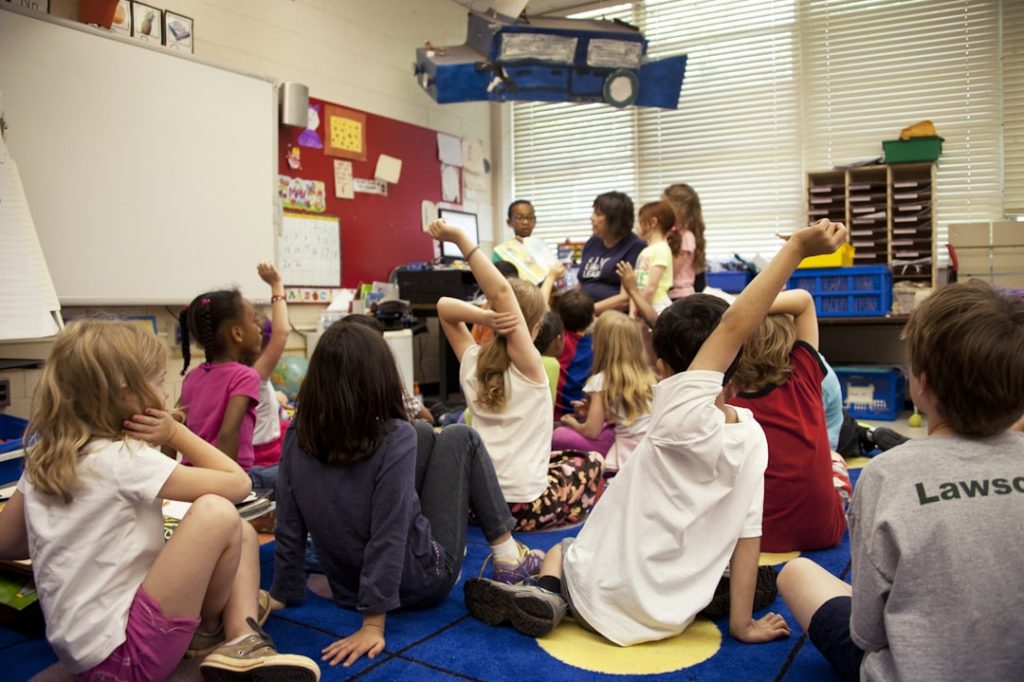
The early years of a child’s life are crucial for their cognitive, social, and emotional development. Quality preschool education lays the foundation for lifelong learning and success. Research has consistently shown that children who attend high-quality preschools are better prepared for kindergarten and beyond.
They tend to exhibit stronger language skills, improved social interactions, and enhanced problem-solving abilities. This early exposure to structured learning environments fosters curiosity and a love for learning, which can significantly influence a child’s academic trajectory. Moreover, quality preschools provide children with opportunities to develop essential life skills.

Through play-based learning and structured activities, children learn to cooperate with peers, share resources, and navigate conflicts. These experiences are vital for building emotional intelligence and resilience. In addition, preschools often introduce children to diverse cultures and perspectives, promoting inclusivity and empathy from a young age.
The importance of selecting a preschool that prioritizes these developmental aspects cannot be overstated, as it sets the stage for a child’s future educational experiences.
Key Takeaways
- Quality preschools lay a strong foundation for a child’s future learning and development.
- Research local preschools thoroughly to find options that fit your child’s needs and your preferences.
- Visiting schools and meeting staff helps assess the environment and teaching approach firsthand.
- Evaluate the curriculum, safety protocols, and health measures to ensure a supportive learning space.
- Consider parental involvement opportunities and community engagement when making your final choice.

Researching and Identifying Nearby Pre Schools
When embarking on the journey to find the right preschool, the first step is thorough research. Parents should begin by compiling a list of nearby preschools, utilizing various resources such as online directories, local parenting groups, and community forums. Websites like GreatSchools or Niche can provide valuable insights into the quality of local preschools, including ratings and reviews from other parents.
Additionally, local school districts often have resources or recommendations for preschools in the area, which can serve as a starting point for parents. Once a preliminary list is established, it is essential to delve deeper into each option. This involves examining the preschool’s philosophy, teaching methods, and overall reputation within the community.
Parents should consider whether the preschool follows a specific educational approach, such as Montessori, Reggio Emilia, or traditional play-based learning. Each of these methodologies has its unique strengths and may resonate differently with individual children. By understanding the various educational philosophies, parents can better align their choices with their child’s learning style and personality.
Visiting and Evaluating Pre Schools
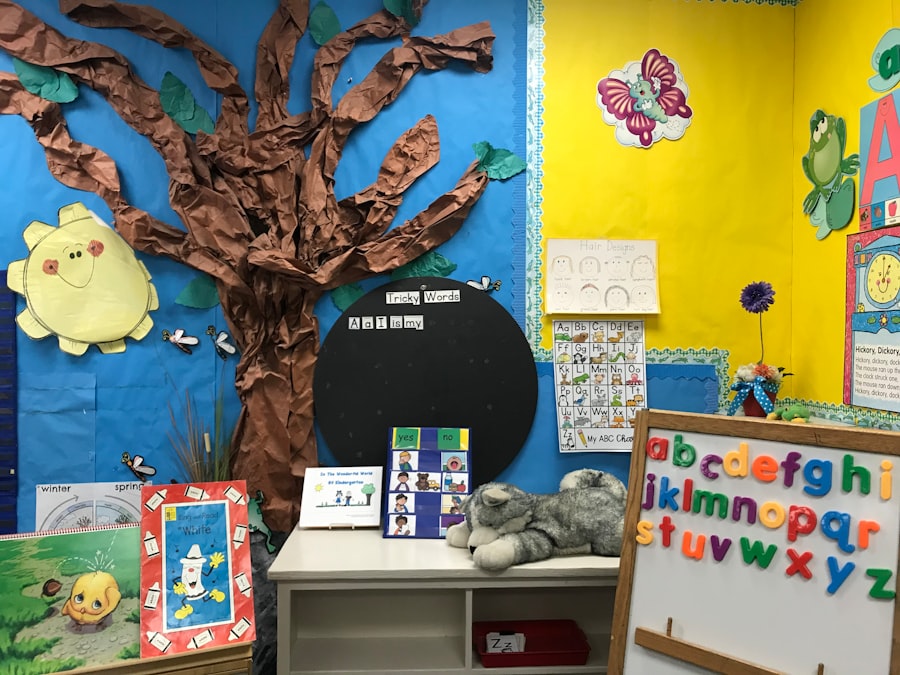
After narrowing down the list of potential preschools, the next step is to visit each one in person. A physical visit allows parents to gauge the atmosphere of the school and observe how children interact with their environment and each other. During these visits, parents should pay attention to the overall cleanliness and organization of the facility, as well as the availability of age-appropriate learning materials and play areas.
A well-maintained environment reflects the school’s commitment to providing a safe and nurturing space for children. In addition to assessing the physical environment, parents should take note of how staff members engage with children during their visit. Observing interactions between teachers and students can provide valuable insights into the school’s culture and approach to education.
Are teachers attentive and responsive to children’s needs? Do they encourage exploration and creativity? These observations can help parents determine whether a preschool’s environment aligns with their expectations for their child’s early education.
Meeting with Teachers and Staff
| Metric | Description | Value | Unit |
|---|---|---|---|
| Number of Attendees | Total teachers and staff present at the meeting | 25 | People |
| Meeting Duration | Length of the meeting | 1.5 | Hours |
| Topics Covered | Number of agenda items discussed | 6 | Items |
| Action Items Assigned | Number of tasks assigned to staff | 8 | Tasks |
| Feedback Score | Average satisfaction rating from attendees | 4.3 | Out of 5 |
| Follow-up Meeting Scheduled | Whether a follow-up meeting was planned | Yes | – |
Engaging with teachers and staff is a critical component of evaluating a preschool. Parents should take the opportunity to ask questions about the school’s curriculum, teaching methods, and staff qualifications. Understanding the background and training of educators can provide reassurance regarding their ability to foster a positive learning environment.
Inquire about their experience working with young children and their approach to addressing diverse learning needs. Additionally, parents should discuss how teachers communicate with families about children’s progress and development. A strong partnership between home and school is essential for supporting a child’s growth.
Schools that prioritize open communication and regular updates on children’s achievements can help parents feel more involved in their child’s education. This connection fosters trust and collaboration, which are vital for creating a supportive learning environment.
Assessing Curriculum and Learning Environment
A preschool’s curriculum plays a significant role in shaping children’s educational experiences. Parents should seek out programs that emphasize holistic development, incorporating not only academic skills but also social-emotional learning, physical development, and creative expression. A well-rounded curriculum should include activities that promote literacy, numeracy, science exploration, art, music, and physical activity.
Furthermore, it is essential to evaluate how the curriculum is implemented within the learning environment. Play-based learning is often considered an effective approach for preschoolers, as it allows children to explore concepts through hands-on experiences. Parents should look for preschools that provide ample opportunities for free play alongside structured activities.
This balance encourages children to develop critical thinking skills while also fostering creativity and imagination.
Reviewing Safety and Health Measures
Safety is paramount when selecting a preschool for your child. Parents should inquire about the school’s safety protocols and health measures in place to protect children from potential hazards. This includes understanding how the school handles emergencies, such as fire drills or lockdown procedures, as well as protocols for managing illnesses or injuries that may occur during school hours.
In addition to safety protocols, parents should also consider health measures related to hygiene and nutrition. Preschools should maintain high standards of cleanliness in classrooms and common areas to minimize the spread of germs. Furthermore, if meals or snacks are provided, parents should inquire about nutritional guidelines and options available for children with dietary restrictions or allergies.
A preschool that prioritizes health and safety demonstrates its commitment to creating a secure environment conducive to learning.
Considering Parental Involvement and Community Engagement
Parental involvement is a crucial aspect of a child’s educational experience in preschool. Schools that encourage active participation from families often create a stronger sense of community and support for both children and parents alike. Parents should explore how each preschool facilitates parental engagement through events such as open houses, parent-teacher conferences, volunteer opportunities, or workshops.
Community engagement is equally important in fostering a rich educational experience. Preschools that collaborate with local organizations or involve families in community service projects can help children develop a sense of belonging and responsibility toward their community. These experiences not only enhance children’s social skills but also instill values of empathy and civic engagement from an early age.
Making the Best Decision for Your Child’s Education
After conducting thorough research, visiting schools, meeting staff members, assessing curricula, reviewing safety measures, and considering parental involvement, parents are better equipped to make an informed decision regarding their child’s preschool education. It is essential to reflect on all gathered information while considering your child’s unique personality, interests, and developmental needs. Ultimately, choosing a preschool is not just about finding an institution that meets academic standards; it is about selecting an environment where your child will thrive emotionally and socially as well.
Trusting your instincts as a parent while weighing all factors will lead you toward making the best decision for your child’s early education journey. The right preschool can serve as a launching pad for lifelong learning experiences that shape your child’s future in profound ways.