

Tertiary education serves as a pivotal stage in an individual’s academic journey, bridging the gap between secondary education and the professional world. It encompasses a wide range of institutions, including universities, colleges, and vocational schools, each offering specialized programs that cater to diverse interests and career paths. The significance of tertiary education extends beyond mere academic achievement; it plays a crucial role in shaping informed citizens who can contribute meaningfully to society.
In an increasingly complex world, the knowledge and skills acquired during this phase are essential for navigating the challenges of modern life. Moreover, tertiary education is often viewed as a rite of passage that equips individuals with the tools necessary for personal and professional success. It fosters a culture of inquiry and intellectual curiosity, encouraging students to explore various disciplines and develop a well-rounded perspective.

This educational stage not only imparts theoretical knowledge but also emphasizes practical application, preparing graduates to tackle real-world problems. As economies evolve and industries transform, the demand for educated individuals who can adapt and innovate becomes ever more pronounced, underscoring the importance of tertiary education in today’s society.
Key Takeaways
- Tertiary education is crucial for career advancement and personal development.
- It enhances critical thinking and problem-solving abilities essential for the workforce.
- Access to specialized knowledge equips students with expertise in their chosen fields.
- Building professional networks during tertiary education opens doors to job opportunities.
- Addressing barriers to education is vital for inclusive economic growth and innovation.
Unlocking Career Opportunities
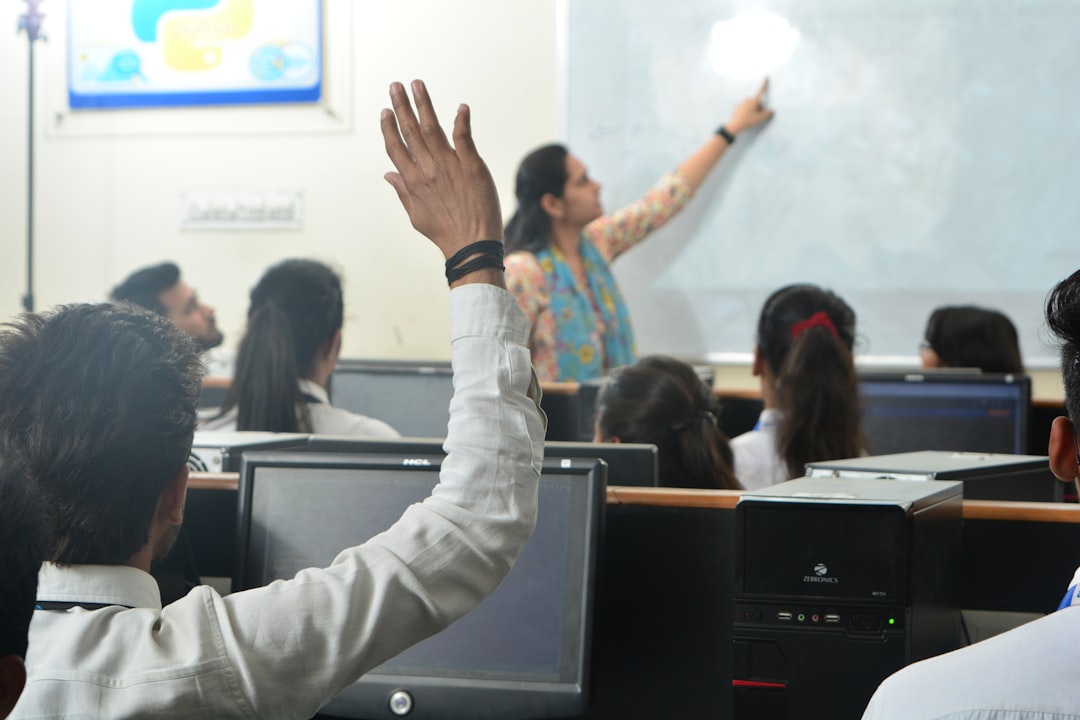
One of the most tangible benefits of tertiary education is its ability to unlock a plethora of career opportunities. In many fields, a degree is not just an asset; it is often a prerequisite for entry-level positions. For instance, professions in healthcare, engineering, and education typically require specific degrees or certifications that can only be obtained through tertiary institutions.
This educational foundation not only opens doors to initial employment but also lays the groundwork for career advancement. Graduates with higher education credentials tend to have access to a wider range of job prospects, often leading to roles with greater responsibility and higher salaries. Furthermore, the job market is increasingly competitive, with employers seeking candidates who possess not only technical skills but also critical thinking and problem-solving abilities.
Tertiary education provides students with the opportunity to develop these competencies through rigorous coursework, collaborative projects, and internships. For example, a business administration degree may include case studies and group projects that simulate real-world challenges, allowing students to hone their analytical skills while working alongside peers. This experiential learning not only enhances employability but also prepares graduates to thrive in dynamic work environments where adaptability and innovation are key.
Developing Critical Thinking and Problem-Solving Skills
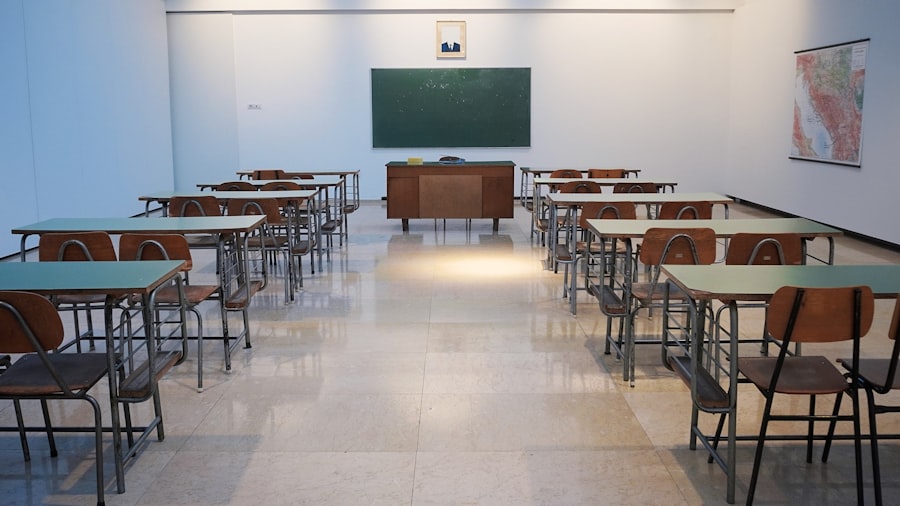
Critical thinking and problem-solving are essential skills that are cultivated during tertiary education. These competencies enable individuals to analyze complex situations, evaluate evidence, and make informed decisions. In an era characterized by rapid technological advancements and information overload, the ability to think critically is more important than ever.
Tertiary institutions often emphasize these skills through various pedagogical approaches, such as inquiry-based learning and interdisciplinary studies. Students are encouraged to question assumptions, explore alternative viewpoints, and engage in thoughtful discourse, all of which contribute to their intellectual development. Moreover, problem-solving skills are not confined to academic settings; they are transferable across various aspects of life.
For instance, a student studying environmental science may engage in projects that require them to devise sustainable solutions to pressing ecological issues. This hands-on experience not only reinforces theoretical knowledge but also empowers students to apply their learning in practical contexts. As graduates enter the workforce, their ability to approach challenges with a critical mindset becomes a valuable asset, enabling them to contribute effectively to their organizations and communities.
Fostering Personal Growth and Confidence
| Metric | Description | Measurement Method | Typical Range | Frequency of Assessment |
|---|---|---|---|---|
| Self-Esteem Score | Assessment of an individual’s overall self-worth and confidence | Standardized questionnaires (e.g., Rosenberg Self-Esteem Scale) | 15-25 (higher scores indicate higher self-esteem) | Quarterly |
| Goal Achievement Rate | Percentage of personal goals successfully completed within a set timeframe | Tracking personal goal completion records | 50%-90% | Monthly |
| Resilience Score | Measure of ability to recover from setbacks and adapt to challenges | Resilience scales (e.g., Connor-Davidson Resilience Scale) | 20-40 (higher scores indicate greater resilience) | Biannually |
| Confidence in Public Speaking | Self-reported confidence level when speaking in front of groups | Surveys or self-assessment scales (1-10) | 4-9 | After each speaking event |
| Personal Growth Activities Participation | Number of workshops, courses, or activities attended aimed at personal development | Attendance records | 0-5 per quarter | Quarterly |
| Positive Affirmation Usage | Frequency of using positive affirmations daily | Self-report diary or app tracking | 0-10 times per day | Daily |
Tertiary education is not solely about academic achievement; it is also a transformative experience that fosters personal growth and self-confidence. The transition from high school to higher education often presents students with new challenges that require them to step outside their comfort zones. Whether it’s participating in class discussions, presenting research findings, or collaborating on group projects, students are encouraged to express their ideas and assert their viewpoints.
This process of self-discovery helps individuals develop a sense of identity and purpose, which is crucial for navigating both personal and professional landscapes. Additionally, the diverse environment of tertiary institutions exposes students to a myriad of perspectives and cultures. Engaging with peers from different backgrounds fosters empathy and understanding, broadening one’s worldview.
For example, international exchange programs allow students to immerse themselves in new cultures while sharing their own experiences. Such interactions not only enhance interpersonal skills but also build confidence as students learn to navigate unfamiliar situations. Ultimately, this personal growth contributes to a well-rounded individual who is prepared to face the complexities of life beyond academia.
Access to Specialized Knowledge and Expertise
Tertiary education provides access to specialized knowledge that is often unattainable through self-study or informal learning channels. Institutions of higher learning employ experts in various fields who bring a wealth of experience and insight into the classroom. This exposure to specialized knowledge is particularly beneficial in fields such as medicine, law, engineering, and the sciences, where understanding complex concepts is essential for success.
For instance, medical students benefit from hands-on training in clinical settings under the guidance of seasoned professionals, ensuring they acquire the necessary skills before entering practice. Moreover, the curriculum offered at tertiary institutions is designed to keep pace with advancements in various disciplines. Faculty members often engage in research that informs their teaching, ensuring that students are learning the most current theories and practices.
This dynamic relationship between research and education enhances the learning experience by providing students with cutting-edge knowledge that can be applied in their future careers. As industries evolve rapidly due to technological advancements and globalization, access to specialized knowledge becomes increasingly vital for individuals seeking to remain competitive in their fields.
Building Professional Networks and Connections

The importance of networking cannot be overstated in today’s interconnected world, and tertiary education provides an ideal platform for building professional relationships. Students have numerous opportunities to connect with peers, faculty members, industry professionals, and alumni throughout their academic journey. These connections can prove invaluable when it comes time to seek internships or job placements after graduation.
For instance, career fairs hosted by universities often attract employers looking for fresh talent, allowing students to make direct contacts within their desired industries. Additionally, many tertiary institutions offer mentorship programs that pair students with experienced professionals who can provide guidance and support as they navigate their career paths. These relationships can lead to internships or job offers down the line, as mentors often have insights into industry trends and hiring practices.
Furthermore, alumni networks can serve as powerful resources for recent graduates seeking employment or career advancement opportunities. By leveraging these connections, individuals can gain access to job openings that may not be publicly advertised while also receiving valuable advice from those who have successfully navigated similar paths.
Contributing to Economic Growth and Innovation
Tertiary education plays a significant role in driving economic growth and fostering innovation within societies. A well-educated workforce is essential for enhancing productivity and competitiveness in an increasingly globalized economy. Countries with higher rates of tertiary education attainment tend to experience greater economic prosperity as they cultivate a skilled labor force capable of adapting to changing market demands.
For example, nations like Germany and South Korea have invested heavily in higher education systems that prioritize technical training and research initiatives, resulting in robust economies characterized by innovation and technological advancement. Moreover, tertiary institutions often serve as hubs for research and development (R&D), contributing directly to advancements in various fields such as technology, healthcare, and environmental science. Universities frequently collaborate with industries on research projects that address pressing societal challenges while also driving economic growth through innovation.
For instance, partnerships between universities and tech companies have led to breakthroughs in artificial intelligence and renewable energy solutions. By fostering an environment conducive to creativity and experimentation, tertiary education institutions play a crucial role in shaping the future of industries and economies alike.
Overcoming Barriers to Tertiary Education Access
Despite the numerous benefits associated with tertiary education, access remains a significant barrier for many individuals worldwide. Factors such as socioeconomic status, geographic location, and systemic inequalities can hinder opportunities for higher education enrollment. For instance, students from low-income families may struggle to afford tuition fees or related expenses such as textbooks and housing costs.
Additionally, those living in rural areas may face challenges related to transportation or limited access to quality educational resources. To address these barriers, various initiatives have been implemented globally aimed at increasing access to tertiary education. Scholarships and financial aid programs are essential tools that help alleviate the financial burden on students from disadvantaged backgrounds.
Furthermore, outreach programs targeting underrepresented communities can raise awareness about available educational opportunities while providing support throughout the application process. Online learning platforms have also emerged as viable alternatives for those unable to attend traditional brick-and-mortar institutions, offering flexible options that cater to diverse needs. In conclusion, while challenges persist regarding access to tertiary education, concerted efforts by governments, educational institutions, and communities can pave the way for greater inclusivity in higher education systems worldwide.
By addressing these barriers head-on, society can ensure that all individuals have the opportunity to benefit from the myriad advantages associated with tertiary education.
