

Education serves as a cornerstone for personal development, shaping individuals’ identities, values, and aspirations. It is through education that people acquire knowledge, skills, and competencies that enable them to navigate the complexities of life. From early childhood through adulthood, educational experiences contribute significantly to an individual’s cognitive, emotional, and social growth.
For instance, a well-rounded education fosters critical thinking and creativity, allowing individuals to approach problems with innovative solutions. This intellectual stimulation not only enhances personal capabilities but also instills a sense of confidence and self-efficacy. Moreover, education plays a pivotal role in the development of interpersonal skills.

Through collaborative learning environments, individuals learn to communicate effectively, work in teams, and appreciate diverse perspectives. These social interactions are crucial for building empathy and understanding, which are essential traits in today’s interconnected world. For example, group projects in schools encourage students to negotiate roles, resolve conflicts, and celebrate collective achievements.
Such experiences are instrumental in shaping character and preparing individuals for the complexities of adult life, where teamwork and collaboration are often key to success.
Key Takeaways
- Education fosters personal growth and self-awareness.
- It serves as a catalyst for economic empowerment and job opportunities.
- Education enhances social mobility by breaking down barriers.
- It develops critical thinking and problem-solving abilities.
- Education promotes better health, civic participation, and global understanding while reducing poverty and inequality.
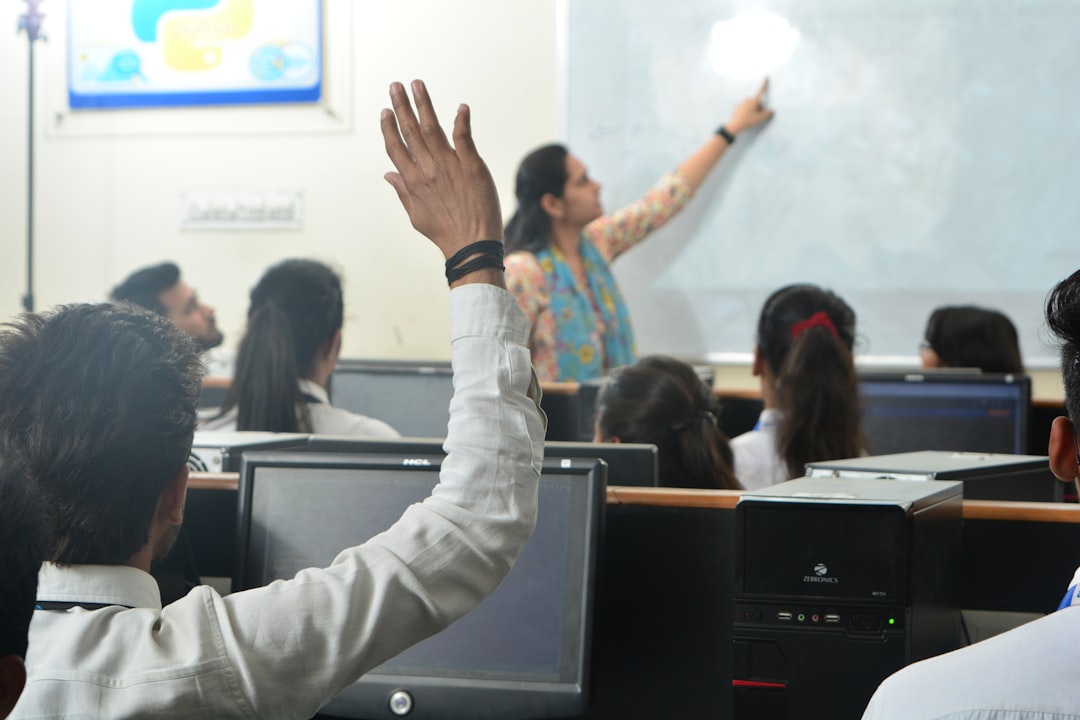
Education as a tool for economic empowerment
Education is widely recognized as a powerful tool for economic empowerment, providing individuals with the skills necessary to secure stable employment and improve their financial circumstances. Higher levels of education typically correlate with better job prospects and higher earning potential. For instance, according to the U.S.
Bureau of Labor Statistics, individuals with a bachelor’s degree earn significantly more than those with only a high school diploma. This wage gap underscores the importance of educational attainment in achieving economic stability and upward mobility. Furthermore, education equips individuals with specialized skills that are increasingly in demand in the modern economy.
Fields such as technology, healthcare, and engineering require advanced knowledge and training that can only be acquired through formal education. As industries evolve and new job markets emerge, continuous learning becomes essential for maintaining employability. Vocational training programs and adult education initiatives are vital in this regard, as they provide opportunities for individuals to reskill or upskill, thereby enhancing their economic prospects.
For example, community colleges often offer programs tailored to local job markets, enabling students to gain relevant skills that directly translate into employment opportunities.
The impact of education on social mobility

The relationship between education and social mobility is profound and multifaceted. Education serves as a ladder that can elevate individuals from lower socioeconomic backgrounds to higher social strata. Access to quality education can break the cycle of poverty by providing individuals with the knowledge and skills necessary to improve their circumstances.
For instance, studies have shown that children from disadvantaged backgrounds who receive a quality education are more likely to attain higher levels of education themselves, creating a ripple effect that can benefit future generations. However, the impact of education on social mobility is not uniform; it is influenced by various factors such as socioeconomic status, race, and geographic location. In many cases, systemic barriers hinder access to quality education for marginalized groups.
For example, schools in low-income neighborhoods often face challenges such as underfunding, overcrowded classrooms, and limited resources. These disparities can perpetuate cycles of disadvantage and limit opportunities for social advancement. Addressing these inequities requires comprehensive policy interventions aimed at ensuring equitable access to quality education for all individuals, regardless of their background.
Education and its influence on critical thinking and problem-solving skills
| Education Level | Critical Thinking Skill Score (out of 100) | Problem-Solving Skill Score (out of 100) | Percentage Improvement Over Previous Level |
|---|---|---|---|
| Primary Education | 45 | 50 | N/A |
| Secondary Education | 65 | 70 | ~44% (Critical Thinking), ~40% (Problem-Solving) |
| Undergraduate Education | 80 | 85 | ~23% (Critical Thinking), ~21% (Problem-Solving) |
| Graduate Education | 90 | 92 | ~12.5% (Critical Thinking), ~8.2% (Problem-Solving) |
Critical thinking and problem-solving skills are essential competencies that education seeks to cultivate in students. Through various pedagogical approaches, educators encourage learners to analyze information critically, evaluate evidence, and develop reasoned arguments. For instance, inquiry-based learning encourages students to ask questions, conduct research, and engage in discussions that challenge their assumptions.
This process not only enhances cognitive abilities but also prepares students to tackle real-world challenges effectively. Moreover, the integration of problem-based learning in educational curricula fosters an environment where students can apply theoretical knowledge to practical situations. By working on complex problems that require innovative solutions, students develop resilience and adaptability—traits that are invaluable in today’s rapidly changing world.
For example, engineering programs often involve capstone projects where students must design solutions to real-life problems faced by communities or industries. Such experiences not only enhance technical skills but also promote collaboration and creativity among peers.
The relationship between education and health outcomes
The link between education and health outcomes is well-documented, with numerous studies indicating that higher levels of education correlate with better health indicators. Individuals with higher educational attainment tend to engage in healthier behaviors, have access to better healthcare resources, and experience lower rates of chronic diseases. For instance, educated individuals are more likely to understand health information and make informed decisions regarding their well-being.
This understanding can lead to healthier lifestyle choices such as regular exercise, balanced nutrition, and preventive healthcare measures. Additionally, education plays a crucial role in addressing health disparities among different populations. Communities with higher levels of educational attainment often have better access to healthcare services and resources that promote overall well-being.
For example, public health initiatives aimed at educating communities about disease prevention and healthy living can significantly impact health outcomes. By empowering individuals with knowledge about health risks and preventive measures, education serves as a vital tool in promoting public health and reducing inequalities in health access.
The connection between education and civic engagement
Education fosters civic engagement by equipping individuals with the knowledge and skills necessary to participate actively in their communities and democratic processes. A well-rounded education encourages critical thinking about societal issues and instills a sense of responsibility toward civic duties. For instance, courses on government and political science provide students with insights into how political systems operate and the importance of active participation in democracy.
Moreover, educational institutions often serve as platforms for civic engagement initiatives. Many schools and universities encourage students to participate in community service projects or advocacy campaigns that address local issues. These experiences not only enhance students’ understanding of civic responsibilities but also cultivate a sense of belonging and commitment to their communities.
For example, programs that involve students in local governance or community development projects empower them to voice their opinions and contribute meaningfully to societal change.
The importance of education in shaping global perspectives
In an increasingly interconnected world, education plays a crucial role in shaping global perspectives among individuals. Exposure to diverse cultures, ideas, and viewpoints through educational experiences fosters an understanding of global issues such as climate change, migration, and social justice. For instance, study abroad programs allow students to immerse themselves in different cultures while gaining firsthand experience of global challenges.
Furthermore, global education initiatives aim to cultivate intercultural competence among learners by promoting awareness of global interdependencies. Curricula that incorporate global issues encourage students to think critically about their roles as global citizens. For example, courses that address topics such as international relations or global health prepare students to engage thoughtfully with complex global challenges.
This understanding is essential for fostering empathy and collaboration across borders in an era where global cooperation is paramount.
The role of education in promoting equality and reducing poverty
Education is a fundamental driver of equality and poverty reduction efforts worldwide. By providing individuals with the tools they need to succeed economically and socially, education helps level the playing field for marginalized groups. Access to quality education can empower individuals from disadvantaged backgrounds to break free from the constraints of poverty and achieve their full potential.
For instance, initiatives aimed at increasing access to education for girls in developing countries have demonstrated significant impacts on family income levels and community development. Moreover, educational policies that prioritize inclusivity can help address systemic inequalities that perpetuate poverty cycles. Programs designed to support underrepresented groups—such as scholarships for low-income students or targeted interventions for minority populations—can create pathways for success that were previously inaccessible.
By investing in education as a means of promoting equality, societies can foster environments where all individuals have the opportunity to thrive economically and socially. In summary, the multifaceted role of education extends beyond mere academic achievement; it encompasses personal development, economic empowerment, social mobility, critical thinking skills, health outcomes, civic engagement, global perspectives, and efforts toward equality and poverty reduction. Each aspect underscores the transformative power of education in shaping individuals’ lives and contributing to the betterment of society as a whole.
