

Paraprofessionals play a crucial role in the educational landscape, serving as vital support systems for both teachers and students. Their presence in classrooms enhances the learning environment, allowing for more personalized attention and tailored instruction. As educational demands grow and classrooms become increasingly diverse, the need for paraprofessionals has never been more pronounced.
They bridge the gap between teachers and students, ensuring that every learner receives the attention and resources they need to thrive academically and socially. The significance of paraprofessionals extends beyond mere assistance; they are integral to fostering an inclusive educational atmosphere. By working closely with students from various backgrounds, including those with special needs, paraprofessionals help create a more equitable learning environment.

Their contributions are essential in addressing the unique challenges faced by students, thereby promoting a culture of understanding and acceptance within schools. This multifaceted role underscores the importance of paraprofessionals in shaping a positive educational experience for all students.
Key Takeaways
- Paraprofessionals play a crucial role in enhancing student learning and supporting teachers in the classroom.
- They contribute significantly to effective classroom management and create a positive learning environment.
- Collaboration between paraprofessionals and teachers is essential for student success and tailored instruction.
- Paraprofessionals provide specialized support for students with disabilities, promoting inclusive education.
- Ongoing training and professional development are vital for paraprofessionals to meet evolving educational needs.
The Role of Paraprofessionals in Supporting Student Learning
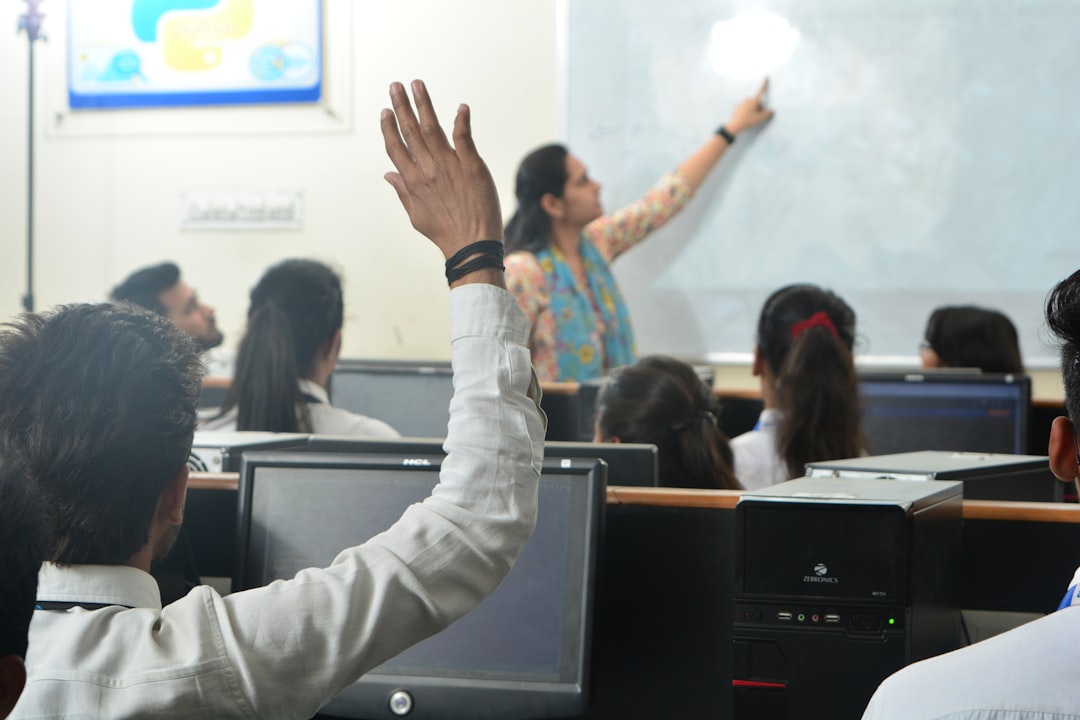
Paraprofessionals are instrumental in supporting student learning through a variety of methods tailored to individual needs. They often work one-on-one with students who require additional assistance, providing targeted help that can significantly enhance comprehension and retention of material. For instance, in a reading intervention program, a paraprofessional might work with struggling readers to develop phonemic awareness and fluency, using specialized strategies that cater to each student’s learning style.
This individualized attention not only boosts academic performance but also fosters a sense of confidence and motivation among students. Moreover, paraprofessionals assist in implementing instructional strategies designed by teachers, ensuring that lessons are delivered effectively. They may facilitate small group activities, allowing for differentiated instruction that meets the diverse needs of learners.
For example, during a math lesson, a paraprofessional might guide a group of students through hands-on activities that reinforce concepts taught by the teacher. This collaborative approach not only enhances understanding but also encourages peer interaction and teamwork, essential components of a well-rounded education.
The Impact of Paraprofessionals on Classroom Management
Classroom management is a critical aspect of effective teaching, and paraprofessionals play a significant role in maintaining an organized and conducive learning environment. Their presence allows teachers to focus on delivering instruction while ensuring that students remain engaged and on task. Paraprofessionals often help establish routines and procedures that promote positive behavior, which is essential for minimizing disruptions and maximizing learning time.
In addition to supporting teachers in managing classroom dynamics, paraprofessionals can also serve as role models for appropriate behavior. By demonstrating respect, responsibility, and cooperation, they help cultivate a positive classroom culture. For instance, during group activities, a paraprofessional might encourage students to communicate effectively and resolve conflicts amicably, reinforcing social skills that are vital for success both inside and outside the classroom.
Their ability to connect with students on a personal level further enhances their effectiveness in managing classroom behavior.
The Collaboration between Paraprofessionals and Teachers
| Metric | Description | Typical Value/Range | Source/Notes |
|---|---|---|---|
| Frequency of Collaboration | Number of collaborative sessions between paraprofessionals and teachers per week | 3-5 times per week | Based on school schedules and team meetings |
| Percentage of Shared Planning Time | Proportion of total work hours spent jointly planning lessons and interventions | 15% – 25% | Varies by school and grade level |
| Teacher Satisfaction Rate | Percentage of teachers reporting positive collaboration experiences with paraprofessionals | 75% – 90% | Survey data from educational studies |
| Paraprofessional Satisfaction Rate | Percentage of paraprofessionals reporting feeling valued and supported by teachers | 70% – 85% | Survey data from educational studies |
| Impact on Student Outcomes | Improvement in student academic performance linked to effective collaboration | 5% – 15% increase in test scores | Measured through standardized assessments |
| Professional Development Hours | Average hours of joint training received annually by paraprofessionals and teachers | 10 – 20 hours | School district training records |
| Communication Effectiveness | Percentage of teams reporting clear and consistent communication | 80% – 95% | Based on internal team surveys |
The collaboration between paraprofessionals and teachers is essential for creating a cohesive educational experience. Effective communication is key; when teachers and paraprofessionals work together seamlessly, they can develop strategies that address the specific needs of their students. Regular meetings and discussions about student progress allow both parties to share insights and adjust instructional approaches as necessary.
This collaborative effort ensures that all students receive consistent support tailored to their unique learning profiles. Furthermore, the partnership between teachers and paraprofessionals fosters professional growth for both roles. Teachers can learn valuable techniques from paraprofessionals who may have specialized training or experience working with certain populations of students.
Conversely, paraprofessionals benefit from the pedagogical knowledge of teachers, gaining insights into curriculum design and instructional methods. This mutual exchange of ideas not only enhances the educational experience for students but also contributes to the professional development of both educators.
The Specialized Support Provided by Paraprofessionals for Students with Disabilities
Paraprofessionals are particularly vital in providing specialized support for students with disabilities. They often work closely with these students to implement individualized education plans (IEPs), ensuring that accommodations and modifications are effectively integrated into daily lessons. For example, a paraprofessional might assist a student with autism by using visual supports or social stories to facilitate understanding of classroom expectations and social interactions.
This tailored approach helps create an environment where students with disabilities can thrive alongside their peers. In addition to academic support, paraprofessionals also play a crucial role in fostering social skills among students with disabilities. They often facilitate interactions with peers during group activities or lunch breaks, helping these students navigate social situations that may be challenging for them.
By promoting inclusion and understanding among all students, paraprofessionals contribute to a more harmonious school environment where diversity is celebrated rather than merely tolerated.
The Training and Professional Development of Paraprofessionals
The effectiveness of paraprofessionals is closely linked to their training and professional development opportunities. Comprehensive training programs equip them with the skills necessary to support diverse learners effectively. Topics such as behavior management strategies, instructional techniques, and understanding specific disabilities are essential components of their training.
Ongoing professional development ensures that paraprofessionals stay current with best practices in education and are prepared to meet the evolving needs of students. Moreover, mentorship programs can significantly enhance the professional growth of paraprofessionals. Pairing them with experienced educators allows for hands-on learning experiences where they can observe effective teaching practices in action.
This relationship not only builds confidence but also fosters a sense of community within the school. As paraprofessionals gain expertise through training and mentorship, they become more adept at addressing the challenges faced by students, ultimately leading to improved educational outcomes.
The Benefits of Paraprofessionals in Promoting Inclusive Education
The presence of paraprofessionals is instrumental in promoting inclusive education within schools. By providing targeted support to students with diverse needs, they help dismantle barriers that may hinder participation in general education settings. Their ability to adapt lessons and provide individualized assistance ensures that all students have access to the curriculum, fostering an environment where differences are embraced rather than marginalized.
In addition to supporting individual learners, paraprofessionals contribute to building an inclusive school culture by facilitating peer relationships among students. They often encourage collaboration during group projects or cooperative learning activities, helping to break down social barriers that may exist between students with disabilities and their typically developing peers. This emphasis on inclusion not only benefits students with disabilities but also enriches the educational experience for all learners by promoting empathy, understanding, and respect for diversity.
The Future of Paraprofessionals in Education
As education continues to evolve in response to societal changes and technological advancements, the role of paraprofessionals is likely to expand further. With increasing recognition of their contributions to student success, schools may invest more resources into hiring additional paraprofessionals or enhancing their training programs. This shift could lead to more specialized roles within the field, such as behavior specialists or technology integration aides, allowing paraprofessionals to focus on specific areas of student support.
Moreover, as schools strive for greater inclusivity and personalized learning experiences, the demand for skilled paraprofessionals will likely grow. Their ability to adapt to various educational settings and support diverse learners positions them as essential members of the educational team. As we look toward the future, it is imperative that we continue to advocate for the professional development and recognition of paraprofessionals as key players in shaping effective educational practices that benefit all students.
