

The pursuit of higher education is a significant milestone in an individual’s life, often shaping their future career paths and personal development. As students and their families navigate the complex landscape of higher education, the choice of college becomes paramount. The United States is home to a plethora of institutions that are renowned for their academic rigor, research opportunities, and vibrant campus life.
Among these, certain colleges stand out as leaders in providing exceptional educational experiences. This article delves into the various categories of top colleges, exploring their unique attributes and the factors that contribute to their esteemed reputations. Higher education institutions vary widely in their missions, structures, and offerings.

From Ivy League schools that boast a long history of academic excellence to public universities that serve large populations with diverse programs, each type of college has its own strengths. Additionally, liberal arts colleges emphasize a broad-based education, while specialized institutions focus on specific fields of study. International colleges and universities also play a crucial role in the global educational landscape, attracting students from around the world.
Understanding these distinctions is essential for prospective students as they consider where to invest their time and resources in pursuit of knowledge.
Key Takeaways
- Top colleges are evaluated based on academic excellence, faculty, resources, and student outcomes.
- Ivy League schools are renowned for their prestige, rigorous academics, and strong alumni networks.
- Public universities offer quality education with diverse programs and often more affordable tuition.
- Liberal arts colleges focus on broad-based education emphasizing critical thinking and interdisciplinary learning.
- Specialized and international institutions provide unique programs tailored to specific fields or global perspectives.

Criteria for Ranking Top Colleges
When evaluating and ranking colleges, several criteria come into play, each contributing to a comprehensive understanding of an institution’s quality. Academic reputation is often at the forefront of these considerations, reflecting the opinions of educators and employers regarding the quality of education provided. This reputation is typically assessed through surveys and research studies that gauge the perceived value of degrees from various institutions.
Additionally, faculty credentials and student-to-faculty ratios are critical indicators of the academic environment, as they directly influence the level of personalized attention students receive. Another vital criterion is graduation rates, which serve as a measure of student success and institutional effectiveness. High graduation rates often indicate that students are not only enrolling but also completing their degrees in a timely manner.
Financial resources also play a significant role in rankings; institutions with substantial endowments can offer better facilities, more scholarships, and enhanced research opportunities. Furthermore, factors such as campus diversity, student engagement, and post-graduation employment rates contribute to a holistic view of what makes a college truly exceptional.
Ivy League Colleges
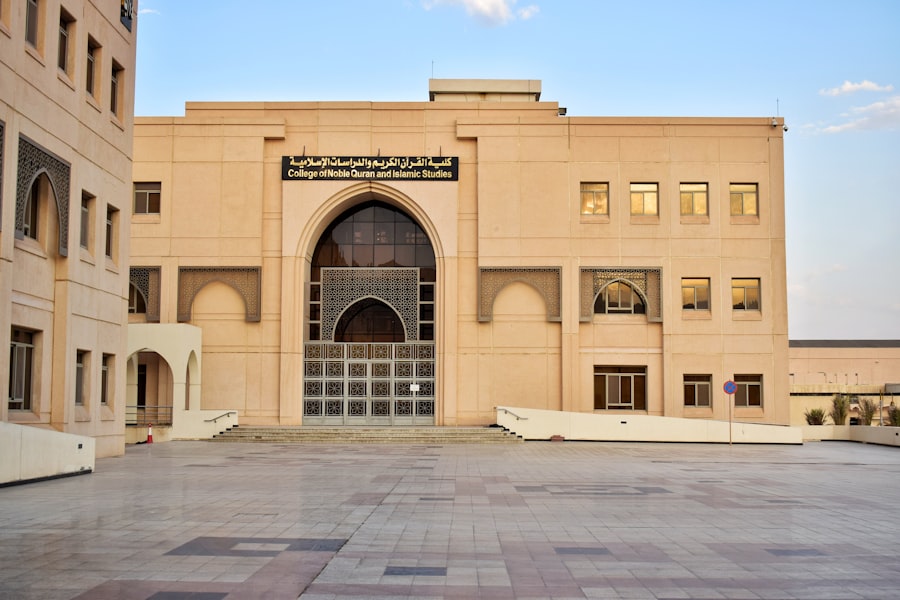
The Ivy League is synonymous with prestige and academic excellence, comprising eight private institutions located in the Northeastern United States: Harvard, Yale, Princeton, Columbia, University of Pennsylvania, Dartmouth, Brown, and Cornell. These colleges have cultivated a reputation for rigorous academics, distinguished faculty, and influential alumni who have made significant contributions across various fields. For instance, Harvard University, established in 1636, is not only the oldest institution of higher education in the U.S.
but also consistently ranks among the top universities globally due to its extensive research output and comprehensive academic programs. Yale University is renowned for its strong emphasis on undergraduate education and its unique residential college system that fosters community among students. The university’s commitment to interdisciplinary studies allows students to explore diverse fields while receiving a well-rounded education.
Similarly, Princeton University is celebrated for its focus on undergraduate teaching and its picturesque campus that inspires creativity and intellectual curiosity. The Ivy League schools are characterized by their selective admissions processes, which often consider not only academic performance but also extracurricular involvement and personal essays that reflect a student’s character and aspirations.
Public Universities
| University Name | Location | Enrollment (Students) | Graduation Rate (%) | Student-Faculty Ratio | Average Tuition (In-State) | Year Established |
|---|---|---|---|---|---|---|
| University of California, Berkeley | Berkeley, CA | 42,000 | 91 | 17:1 | 14,000 | 1868 |
| University of Michigan | Ann Arbor, MI | 48,000 | 92 | 15:1 | 16,000 | 1817 |
| University of Florida | Gainesville, FL | 56,000 | 88 | 18:1 | 6,400 | 1853 |
| University of Texas at Austin | Austin, TX | 51,000 | 83 | 18:1 | 11,000 | 1883 |
| University of Washington | Seattle, WA | 48,000 | 81 | 19:1 | 11,745 | 1861 |
Public universities represent a significant segment of higher education in the United States, offering accessible education to a broad demographic of students. Institutions such as the University of California system, the University of Michigan, and the University of Virginia are recognized for their academic rigor and extensive research initiatives. The University of California, Berkeley, for example, is known for its contributions to scientific research and social activism, producing numerous Nobel laureates and influential thinkers over the years.
Public universities often provide a more affordable option for in-state students compared to private institutions. This affordability does not compromise quality; many public universities have robust programs across various disciplines and are equipped with state-of-the-art facilities. The University of Michigan’s College of Engineering is particularly noted for its innovative research in technology and engineering fields.
Furthermore, public universities frequently engage in community outreach programs that enhance local economies and provide students with real-world experiences through internships and service-learning opportunities.
Liberal Arts Colleges
Liberal arts colleges focus on providing a well-rounded education that emphasizes critical thinking, communication skills, and interdisciplinary learning. Institutions such as Williams College, Amherst College, and Swarthmore College exemplify this educational philosophy by offering small class sizes and close faculty-student relationships. Williams College consistently ranks as one of the top liberal arts colleges in the nation due to its commitment to undergraduate teaching and its diverse array of academic programs.
At liberal arts colleges, students are encouraged to explore various fields before declaring a major, allowing them to develop a broad knowledge base that can be applied in multiple contexts. For instance, Swarthmore College promotes an environment where students can engage in collaborative learning experiences across disciplines, fostering creativity and innovation. The emphasis on critical inquiry prepares graduates not only for specific careers but also for lifelong learning and adaptability in an ever-changing job market.
Specialized Colleges and Universities

Specialized colleges and universities cater to specific fields of study or professional training, providing students with focused education tailored to their career aspirations. Institutions such as the Juilliard School for performing arts or the Massachusetts Institute of Technology (MIT) for engineering and technology exemplify this model. Juilliard is renowned for its rigorous training programs in music, dance, and drama, attracting talented individuals from around the globe who aspire to excel in the performing arts.
MIT stands out as a leader in science and technology education, consistently producing groundbreaking research and innovations that shape industries worldwide. The institution’s emphasis on hands-on learning through labs and projects allows students to apply theoretical knowledge in practical settings. Specialized colleges often have strong connections with industries related to their fields, providing students with valuable networking opportunities and internships that enhance their employability upon graduation.
International Colleges and Universities
The global landscape of higher education has expanded significantly over recent decades, with international colleges and universities gaining prominence for their diverse offerings and multicultural environments. Institutions such as the University of Oxford in the United Kingdom or the University of Melbourne in Australia attract students from all corners of the world due to their academic excellence and rich cultural experiences. Oxford’s tutorial system fosters personalized learning through one-on-one interactions with faculty members, allowing students to delve deeply into their subjects.
In Asia, universities like Tsinghua University in China have emerged as leaders in engineering and technology education, contributing significantly to research advancements on a global scale. These international institutions often offer programs taught in English to accommodate international students while promoting cross-cultural understanding among diverse student bodies. The experience of studying abroad at these prestigious institutions not only enhances academic credentials but also enriches personal growth through exposure to different cultures and perspectives.
Conclusion and Final Thoughts
The landscape of higher education is vast and varied, with numerous options available for students seeking to further their education. From Ivy League schools known for their elite status to public universities that provide accessible education for all, each type of institution offers unique advantages tailored to different student needs. Liberal arts colleges emphasize holistic education while specialized institutions focus on specific career paths; both play crucial roles in shaping future leaders across various fields.
As prospective students embark on their journey toward higher education, understanding the distinctions among these institutions can empower them to make informed decisions about their academic futures. Whether pursuing a degree at an Ivy League school or exploring opportunities at an international university, the ultimate goal remains the same: to acquire knowledge that will serve as a foundation for personal growth and professional success in an increasingly interconnected world.
