

Inclusive learning is a pedagogical approach that seeks to accommodate the diverse needs of all students within a single educational framework. This concept is rooted in the belief that every learner, regardless of their background, abilities, or challenges, has the right to access quality education. Inclusive learning environments are designed to foster participation and engagement among all students, ensuring that no one is marginalized or left behind.
This approach not only benefits students with disabilities but also enriches the educational experience for all learners by promoting diversity and collaboration. At its core, inclusive learning emphasizes the importance of recognizing and valuing individual differences. It challenges traditional educational models that often segregate students based on their abilities or needs.

Instead, inclusive learning advocates for a holistic approach that integrates various teaching methods, resources, and assessments to cater to the unique strengths and weaknesses of each student. This paradigm shift requires educators to be flexible and innovative in their teaching practices, employing strategies that promote equity and access for all learners.
Key Takeaways
- Inclusive learning ensures all students, regardless of abilities, have equal access to education.
- Special pedagogy is crucial for addressing diverse learning needs effectively.
- Strategies like differentiated instruction promote engagement and understanding in inclusive classrooms.
- Collaboration with parents and caregivers enhances support for students’ individual learning plans.
- Inclusive education positively influences overall student success and social development.
The Importance of Special Pedagogy
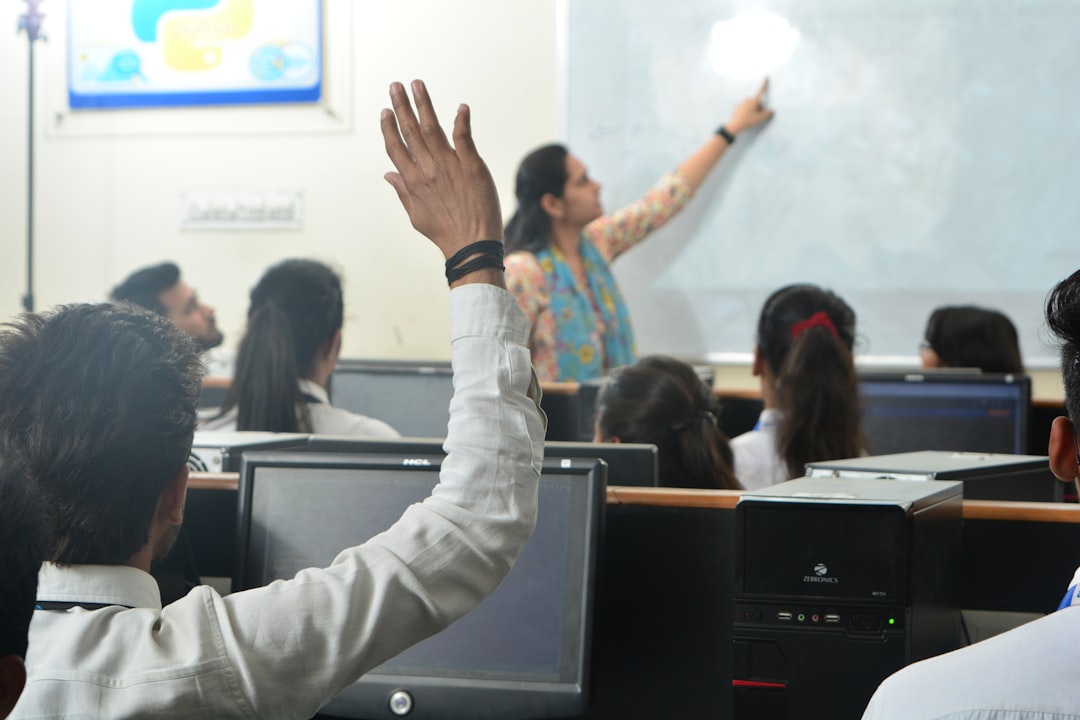
Special pedagogy plays a crucial role in the realm of inclusive education. It encompasses a range of teaching strategies and methodologies specifically designed to address the needs of students with disabilities or learning difficulties. By employing special pedagogy, educators can create tailored learning experiences that accommodate individual differences, thereby enhancing student engagement and achievement.
This approach is not merely about providing additional support; it is about fundamentally rethinking how education is delivered to ensure that all students can thrive. One of the key aspects of special pedagogy is its focus on individualized instruction. Educators trained in special pedagogy are equipped with the skills to assess students’ unique learning profiles and develop targeted interventions that address their specific challenges.
For instance, a student with dyslexia may benefit from multisensory reading programs that incorporate visual, auditory, and kinesthetic elements to reinforce learning. By utilizing such specialized techniques, educators can help students overcome barriers to learning and foster a sense of confidence and competence.
Strategies for Inclusive Teaching
Implementing inclusive teaching strategies requires a thoughtful and intentional approach. One effective strategy is differentiated instruction, which involves tailoring lessons to meet the varying needs of students within the same classroom. This can be achieved through flexible grouping, where students are organized into small groups based on their skill levels or interests, allowing for targeted instruction and peer collaboration.
For example, in a mathematics class, some students may work on basic addition while others tackle more complex problems, all within the same lesson framework. Another important strategy is the use of assistive technology. Tools such as speech-to-text software, audiobooks, and interactive learning apps can provide essential support for students with diverse learning needs.
These technologies not only enhance accessibility but also empower students to take ownership of their learning. For instance, a student with visual impairments may use screen readers to access digital content independently, fostering a sense of autonomy and self-efficacy. By integrating assistive technology into the classroom, educators can create a more inclusive environment that accommodates various learning styles.
Creating an Inclusive Classroom Environment
| Metric | Description | Measurement Method | Target Goal |
|---|---|---|---|
| Diversity of Student Participation | Percentage of students from diverse backgrounds actively participating in class discussions | Classroom observation and participation tracking | At least 80% participation from all demographic groups |
| Student Sense of Belonging | Students’ reported feeling of inclusion and acceptance in the classroom | Anonymous student surveys and feedback forms | 90% of students report feeling included |
| Use of Inclusive Teaching Materials | Percentage of curriculum materials that reflect diverse cultures and perspectives | Curriculum audit and review | At least 75% of materials are inclusive |
| Teacher Training on Inclusivity | Number of professional development hours completed on inclusive teaching practices | Training attendance records | Minimum 10 hours per academic year |
| Accommodation Requests Fulfilled | Percentage of student accommodation requests met in a timely manner | Administrative records and follow-up surveys | 100% of requests fulfilled within 1 week |
| Reduction in Reported Incidents of Bias | Number of reported incidents related to bias or discrimination in the classroom | Incident reports and school records | Decrease by 50% year-over-year |
An inclusive classroom environment is characterized by a culture of respect, acceptance, and support for all students. To cultivate such an atmosphere, educators must prioritize building strong relationships with their students. This involves getting to know each learner on a personal level, understanding their interests, strengths, and challenges.
By fostering positive relationships, teachers can create a safe space where students feel valued and empowered to express themselves without fear of judgment. Physical classroom arrangements also play a significant role in promoting inclusivity. Classrooms should be designed to facilitate collaboration and interaction among students.
Flexible seating arrangements, such as group tables or movable desks, encourage teamwork and communication. Additionally, creating designated areas for quiet reflection or sensory breaks can support students who may become overwhelmed in traditional classroom settings. By thoughtfully organizing the physical space, educators can enhance engagement and participation among all learners.
Individualized Education Plans (IEPs) for Inclusive Learning
Individualized Education Plans (IEPs) are essential tools in the realm of inclusive education. These legally binding documents outline specific educational goals and accommodations tailored to meet the unique needs of students with disabilities. IEPs are developed collaboratively by educators, parents, and specialists, ensuring that all stakeholders are involved in the decision-making process.
This collaborative approach not only empowers families but also fosters a sense of ownership over the educational journey. The implementation of IEPs requires ongoing assessment and adjustment to ensure that goals remain relevant and achievable. Regular progress monitoring allows educators to track student growth and make necessary modifications to instructional strategies or accommodations.
For example, if a student is struggling with reading comprehension despite targeted interventions, the IEP team may decide to incorporate additional support such as one-on-one tutoring or specialized reading programs. By continuously evaluating and refining IEPs, educators can provide responsive support that aligns with each student’s evolving needs.
Collaboration and Communication with Parents and Caregivers
Effective collaboration and communication with parents and caregivers are vital components of successful inclusive education. Engaging families in the educational process fosters a sense of partnership and shared responsibility for student success. Educators should establish open lines of communication with parents, providing regular updates on their child’s progress and involving them in decision-making processes related to IEPs or other support services.
Workshops and informational sessions can also be beneficial in educating parents about inclusive practices and available resources. For instance, schools might host events where parents can learn about assistive technology or strategies for supporting their child’s learning at home. By equipping families with knowledge and tools, educators empower them to advocate for their children’s needs effectively.
This collaborative approach not only strengthens the home-school connection but also enhances the overall educational experience for students.
Supporting Students with Diverse Learning Needs
Supporting students with diverse learning needs requires a multifaceted approach that encompasses academic, social, and emotional dimensions. Educators must be attuned to the various challenges that students may face, whether they stem from learning disabilities, language barriers, or socio-economic factors. One effective way to address these challenges is through the implementation of Universal Design for Learning (UDL), which promotes flexible teaching methods that accommodate diverse learners from the outset.
For example, UDL encourages educators to present information in multiple formats—such as visual aids, audio recordings, and hands-on activities—allowing students to engage with content in ways that resonate with their individual learning preferences. Additionally, fostering a growth mindset within the classroom can significantly impact student motivation and resilience. By encouraging students to view challenges as opportunities for growth rather than obstacles, educators can help them develop a positive attitude toward learning and perseverance in the face of difficulties.
The Impact of Inclusive Education on Student Success
The impact of inclusive education extends far beyond academic achievement; it profoundly influences social development and emotional well-being as well. Research has consistently shown that inclusive classrooms promote positive peer interactions and foster empathy among students. When learners from diverse backgrounds collaborate on projects or engage in discussions, they develop essential social skills such as communication, teamwork, and conflict resolution.
These skills are invaluable not only within the school environment but also in future workplaces and communities. Moreover, inclusive education has been linked to improved academic outcomes for all students—not just those with disabilities. Studies indicate that when students are exposed to diverse perspectives and collaborative learning experiences, they tend to perform better academically due to enhanced critical thinking skills and increased motivation.
The inclusive classroom environment nurtures a sense of belonging among all learners, which is crucial for fostering engagement and reducing dropout rates. Ultimately, inclusive education serves as a powerful catalyst for creating equitable opportunities for success across all dimensions of student life.