

Special education is a tailored educational approach designed to meet the unique needs of students with disabilities. This field encompasses a wide range of services and supports aimed at ensuring that all students, regardless of their challenges, have access to a quality education. The Individuals with Disabilities Education Act (IDEA) is a critical piece of legislation in the United States that mandates special education services for eligible children.
Under IDEA, students with disabilities are entitled to a free appropriate public education (FAPE) that is designed to meet their individual needs. This law emphasizes the importance of providing educational opportunities that are equitable and accessible, allowing students to thrive in an environment that recognizes their specific challenges. Understanding special education also involves recognizing the various types of disabilities that may affect a child’s learning.
These can include learning disabilities, emotional disturbances, autism spectrum disorders, and physical impairments, among others. Each category presents its own set of challenges and requires different strategies for effective teaching and support. For instance, a student with dyslexia may need specialized reading interventions, while a child on the autism spectrum might benefit from social skills training and structured routines.
Educators must be equipped with the knowledge and skills to identify these needs and implement appropriate interventions, ensuring that every child has the opportunity to succeed academically and socially.
Key Takeaways
- Special education tailors learning to meet diverse student needs through specialized instruction.
- Individualized Education Plans (IEPs) provide customized goals and support for each student.
- Inclusive education promotes integrating students with disabilities into general classrooms.
- Assistive technology enhances learning by providing tools that support communication and accessibility.
- Collaboration with families and transition planning are essential for successful lifelong outcomes.
Individualized Education Plans (IEPs)
An Individualized Education Plan (IEP) is a cornerstone of special education, serving as a customized roadmap for each student with a disability. The IEP outlines specific educational goals, accommodations, and services tailored to the student’s unique needs. It is developed collaboratively by a team that typically includes educators, special education professionals, parents, and sometimes the student themselves.
The process begins with a comprehensive evaluation to assess the child’s strengths and weaknesses, which informs the development of measurable goals that are both ambitious and attainable. The IEP is not a static document; it is reviewed and updated annually to reflect the student’s progress and changing needs. This ongoing assessment ensures that the educational strategies remain relevant and effective.
For example, if a student demonstrates significant improvement in reading skills, the IEP team may decide to adjust the goals or introduce more challenging materials. Additionally, the IEP specifies any necessary accommodations, such as extended time on tests or the use of assistive technology, which can significantly enhance the student’s learning experience. By providing a structured framework for support, IEPs play a crucial role in helping students with disabilities achieve their full potential.
Inclusive Education Practices
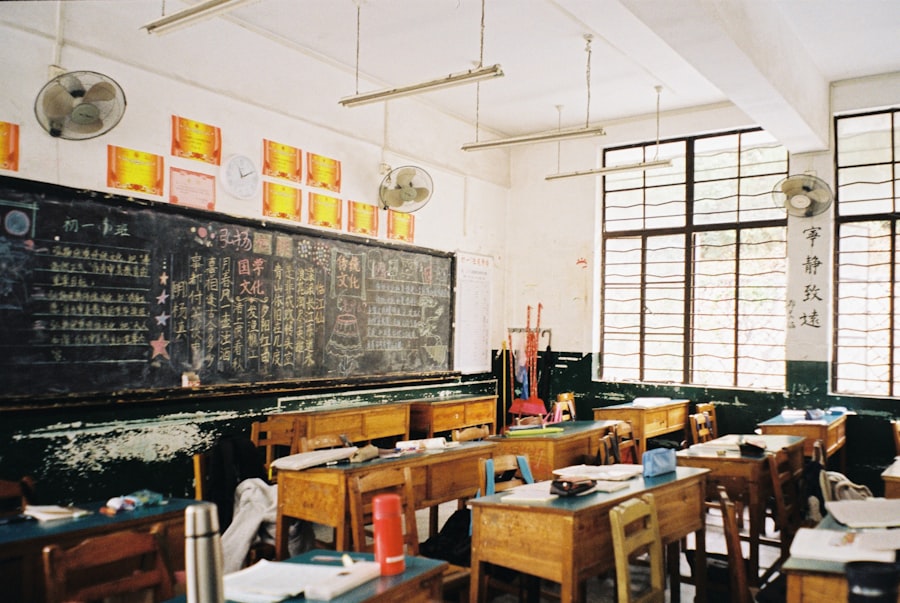
Inclusive education practices are designed to integrate students with disabilities into general education classrooms alongside their typically developing peers. This approach is grounded in the belief that all students benefit from learning in diverse environments where they can interact with one another. Inclusion fosters a sense of belonging and community, which is essential for social development.
Research has shown that inclusive classrooms can lead to improved academic outcomes for both students with disabilities and their peers, as they learn to collaborate and appreciate different perspectives. Implementing inclusive practices requires careful planning and professional development for educators. Teachers must be equipped with strategies to differentiate instruction, ensuring that all students can access the curriculum effectively.
This may involve using varied teaching methods, such as cooperative learning groups or hands-on activities, which cater to different learning styles. Additionally, fostering an inclusive classroom culture involves promoting empathy and understanding among students. Educators can facilitate discussions about diversity and disability awareness, helping students develop positive attitudes toward their peers with disabilities.
By creating an inclusive environment, schools not only support individual student needs but also cultivate a more compassionate and accepting community.
Assistive Technology and Tools
| Assistive Technology | Purpose | Common Users | Key Features | Impact Metric |
|---|---|---|---|---|
| Screen Readers | Convert text to speech for visually impaired users | Blind and low-vision individuals | Text-to-speech, Braille display compatibility, Navigation shortcuts | Improves digital accessibility by 85% |
| Speech Recognition Software | Convert spoken words into text | Individuals with mobility or dexterity impairments | Voice commands, Dictation, Language support | Increases typing speed by 40% |
| Alternative Keyboards | Provide customized input options for users with physical disabilities | Users with limited hand mobility | Large keys, One-handed use, Programmable keys | Reduces input errors by 30% |
| Hearing Aids | Amplify sound for individuals with hearing loss | People with partial hearing loss | Noise reduction, Bluetooth connectivity, Adjustable volume | Improves hearing clarity by 70% |
| Text-to-Speech Software | Reads digital text aloud | Dyslexic users, visually impaired | Multiple voices, Adjustable speed, Highlighting text | Enhances reading comprehension by 50% |
| Eye-Tracking Devices | Control computers using eye movement | Users with severe mobility impairments | Calibration, Click simulation, Gaze-based control | Enables computer access for 90% of users |
Assistive technology plays a pivotal role in enhancing the educational experience for students with disabilities. These tools range from simple devices like pencil grips and magnifying glasses to sophisticated software programs that aid in communication and learning. For instance, text-to-speech software can assist students with reading difficulties by converting written text into spoken words, allowing them to access information more easily.
Similarly, speech recognition software enables students with physical impairments to compose written work using their voice, thereby promoting independence in their learning. The integration of assistive technology into the classroom requires thoughtful consideration of each student’s specific needs. Educators must be trained to identify appropriate tools and implement them effectively within their teaching practices.
For example, a student with attention deficit hyperactivity disorder (ADHD) might benefit from using organizational apps that help them manage assignments and deadlines. Furthermore, ongoing support and training for both students and teachers are essential to ensure that these technologies are used effectively. As technology continues to evolve, staying informed about new tools and resources can significantly enhance the educational experience for students with disabilities.
Building Self-Advocacy Skills
Self-advocacy is an essential skill for students with disabilities, empowering them to understand their rights and articulate their needs effectively. Teaching self-advocacy involves helping students recognize their strengths and challenges while encouraging them to take an active role in their education. This process often begins in early childhood and continues throughout a student’s academic journey.
Educators can facilitate self-advocacy by providing opportunities for students to express their preferences regarding accommodations or support services during IEP meetings. In addition to fostering communication skills, building self-advocacy also involves instilling confidence in students. Role-playing scenarios where they practice advocating for themselves in various situations—such as asking for help or requesting accommodations—can be beneficial.
Moreover, involving students in goal-setting processes related to their education encourages them to take ownership of their learning journey. As they develop these skills, students become more empowered to navigate challenges independently, ultimately leading to greater success both in school and beyond.
Supporting Social and Emotional Development
Social and emotional development is a critical aspect of education for all students, particularly those with disabilities who may face additional challenges in these areas. Schools play a vital role in fostering social skills and emotional resilience through structured programs and supportive environments. For instance, social skills training can help students learn how to interact appropriately with peers, manage conflicts, and develop friendships.
These skills are essential not only for academic success but also for overall well-being. In addition to direct instruction in social skills, schools can create supportive environments that promote emotional health. This may involve implementing programs focused on mindfulness or emotional regulation strategies that help students manage stress and anxiety.
Educators can also be trained to recognize signs of emotional distress in students and provide appropriate support or referrals when necessary. By prioritizing social and emotional development alongside academic achievement, schools can create a holistic educational experience that prepares students for life beyond the classroom.
Collaboration with Parents and Caregivers
Collaboration between educators and parents or caregivers is crucial in supporting students with disabilities effectively. Parents possess invaluable insights into their child’s strengths, challenges, and preferences, making their involvement essential in developing an effective IEP or educational plan. Regular communication between home and school fosters a partnership that enhances the child’s learning experience.
For instance, teachers can share progress updates with parents while also seeking input on strategies that have been successful at home. Moreover, schools can provide resources and training for parents to help them understand their child’s needs better and navigate the special education system. Workshops on topics such as advocacy skills or understanding IEPs can empower parents to become active participants in their child’s education.
When parents feel supported and informed, they are more likely to engage positively with educators, creating a collaborative environment that benefits the student. This partnership not only enhances academic outcomes but also contributes to the overall well-being of the child.
Transition Planning for Life After School
Transition planning is a critical component of special education that focuses on preparing students for life after school. This process begins well before graduation and involves setting goals related to post-secondary education, employment, independent living, and community involvement. Effective transition planning requires collaboration among educators, families, community agencies, and the students themselves to ensure that all aspects of the student’s future are considered.
For example, transition plans may include vocational training opportunities or internships that provide real-world experience in various career fields. Additionally, life skills training—such as budgeting or cooking—can be integrated into the curriculum to prepare students for independent living. By addressing these areas early on, schools can help students develop the necessary skills and confidence to navigate life after graduation successfully.
Transition planning is not merely an administrative task; it is an essential process that empowers students with disabilities to envision and pursue fulfilling futures beyond their school years.