
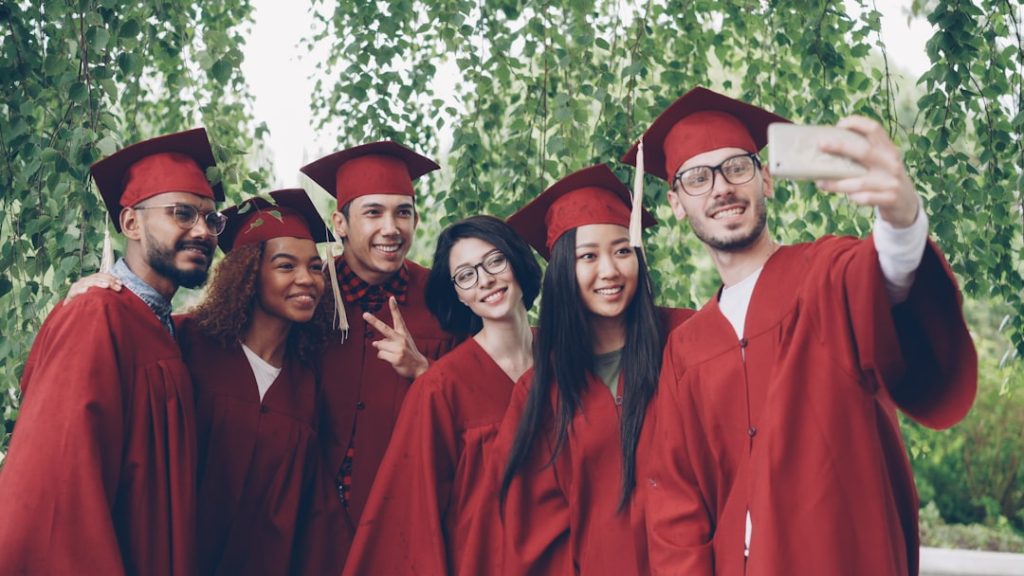
The landscape of special education is as diverse as the students it serves. Each child with special needs presents a unique set of challenges and strengths, necessitating a nuanced understanding of their individual requirements. These needs can range from cognitive and physical disabilities to emotional and behavioral disorders.
For instance, a student with autism may require specific social skills training and sensory accommodations, while a child with dyslexia might need specialized reading interventions. Understanding these varied needs is crucial for educators, as it lays the foundation for effective teaching strategies and interventions. Moreover, recognizing the importance of the social and emotional aspects of learning is essential.

Many special education students face not only academic hurdles but also social challenges that can impact their overall well-being. For example, a student with attention deficit hyperactivity disorder (ADHD) may struggle with impulse control, affecting their interactions with peers. Educators must be equipped to identify these social-emotional needs and create an environment that fosters positive relationships and self-esteem.
This understanding goes beyond mere academic performance; it encompasses the holistic development of each student, ensuring they feel valued and supported in their educational journey.
Key Takeaways
- Recognize and address the unique needs of special education students for effective learning.
- Create inclusive classrooms that support diverse learners through tailored environments.
- Use Individualized Education Plans (IEPs) to customize teaching strategies and goals.
- Promote collaboration between special and general education teachers to enhance student outcomes.
- Involve families and advocate for inclusive policies to support comprehensive education.

Building a Supportive and Inclusive Learning Environment
Creating a supportive and inclusive learning environment is paramount for the success of special education students. An inclusive classroom is one where all students, regardless of their abilities, feel welcomed and valued. This can be achieved through various strategies, such as flexible seating arrangements, visual aids, and assistive technology.
For instance, using tools like speech-to-text software can empower students with writing difficulties to express their thoughts more freely. Additionally, incorporating visual schedules can help students with autism understand daily routines, reducing anxiety and promoting independence. Furthermore, fostering a culture of acceptance and understanding among all students is vital.
This can be accomplished through activities that promote empathy and teamwork, such as cooperative learning projects or peer mentoring programs. When general education students are educated about the challenges faced by their peers with disabilities, they are more likely to develop compassion and support for one another. This not only enhances the social dynamics within the classroom but also cultivates a sense of community where diversity is celebrated rather than merely tolerated.
Utilizing Individualized Education Plans (IEPs) to Tailor Instruction
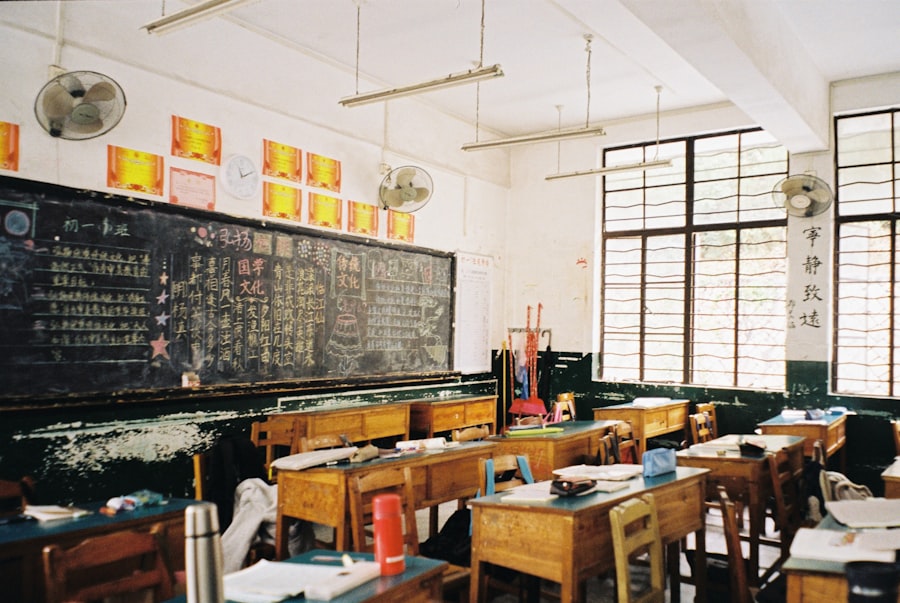
Individualized Education Plans (IEPs) serve as a cornerstone in the education of students with special needs. These legally binding documents outline specific educational goals, accommodations, and services tailored to meet the unique needs of each student. The development of an IEP involves collaboration among educators, parents, and specialists, ensuring that all perspectives are considered in crafting a comprehensive plan.
For example, an IEP for a student with a learning disability might include accommodations such as extended time on tests or access to a resource teacher for additional support. Implementing IEPs effectively requires ongoing assessment and adjustment. As students progress or face new challenges, their IEPs should be revisited and modified accordingly.
This dynamic approach ensures that instruction remains relevant and effective. For instance, if a student initially struggles with reading comprehension but later shows improvement, the IEP can be updated to include more advanced reading materials or different instructional strategies that challenge the student further. This adaptability is crucial in providing a personalized educational experience that promotes growth and achievement.
Implementing Differentiated Instruction Techniques
| Technique | Description | Benefits | Challenges | Example Metrics |
|---|---|---|---|---|
| Flexible Grouping | Organizing students into varied groups based on skill, interest, or learning style. | Enhances peer learning and addresses diverse needs. | Requires ongoing assessment and management. | Group size: 3-5 students; Frequency: 3 times/week; Student engagement rate: 85% |
| Tiered Assignments | Providing tasks at varying levels of difficulty to match student readiness. | Promotes appropriate challenge and reduces frustration. | Time-consuming to design multiple levels. | Assignment completion rate: 90%; Average score by tier: Tier 1 – 85%, Tier 2 – 78%, Tier 3 – 92% |
| Learning Stations | Setting up different activity areas focusing on various skills or content. | Encourages active learning and autonomy. | Space and resource intensive. | Station rotation time: 15 minutes; Student participation: 95%; Task completion rate: 88% |
| Choice Boards | Offering students options to select activities that suit their interests or learning styles. | Increases motivation and ownership of learning. | May require scaffolding for some students. | Choice utilization rate: 80%; Student satisfaction: 90%; Task completion rate: 85% |
| Ongoing Assessment | Regular formative assessments to inform instruction adjustments. | Allows timely feedback and personalized support. | Can be time-intensive for teachers. | Assessment frequency: Weekly; Feedback turnaround: 2 days; Improvement rate: 15% per month |
Differentiated instruction is an essential strategy for meeting the diverse needs of special education students within the classroom. This approach involves tailoring teaching methods, materials, and assessments to accommodate varying learning styles and abilities. For example, a teacher might present a lesson on fractions using visual aids for visual learners while providing hands-on activities for kinesthetic learners.
By offering multiple avenues for engagement, educators can ensure that all students have the opportunity to grasp complex concepts. Additionally, differentiated instruction extends to assessment practices. Rather than relying solely on traditional tests, educators can employ alternative assessment methods such as project-based learning or oral presentations.
This flexibility allows students to demonstrate their understanding in ways that align with their strengths. For instance, a student who excels in verbal communication may thrive in a presentation format rather than a written exam. By embracing differentiated instruction, educators can create a more equitable learning environment where every student has the chance to succeed.
Fostering Collaboration between Special Education and General Education Teachers
Collaboration between special education and general education teachers is vital for creating an inclusive educational experience. When these educators work together, they can share insights, strategies, and resources that benefit all students in the classroom. For instance, a general education teacher may provide valuable context about the curriculum while a special education teacher can offer expertise on specific accommodations that support students with disabilities.
This partnership fosters a holistic approach to teaching that addresses the needs of every learner. Moreover, co-teaching models can be particularly effective in promoting collaboration. In a co-teaching setting, both educators share responsibility for planning, delivering instruction, and assessing student progress.
This model allows for real-time adjustments based on student needs and encourages a seamless integration of support services within the general education classroom. For example, during a math lesson, the special education teacher might work with small groups of students who require additional assistance while the general education teacher leads the whole class instruction. This collaborative effort not only enhances learning outcomes but also models teamwork and respect for diversity among students.
Providing Professional Development for Educators

Professional development plays a crucial role in equipping educators with the knowledge and skills necessary to effectively teach special education students. Ongoing training opportunities allow teachers to stay informed about best practices, new research findings, and innovative teaching strategies. For instance, workshops focused on trauma-informed teaching can help educators understand how adverse experiences impact learning and behavior in special education students.
By gaining insights into these issues, teachers can implement more effective classroom management techniques and support systems. Additionally, professional development should emphasize collaboration among educators across disciplines. Creating opportunities for special education teachers to work alongside their general education counterparts fosters a culture of shared learning and mutual support.
For example, joint training sessions on inclusive practices can help bridge gaps in understanding between different teaching roles. When educators are well-prepared to address the diverse needs of their students, they are better positioned to create an inclusive environment that promotes success for all learners.
Engaging Families and Caregivers in the Education Process
Engaging families and caregivers in the education process is essential for supporting special education students effectively. Parents often possess invaluable insights into their child’s strengths, challenges, and preferences that can inform instructional strategies. Establishing open lines of communication between educators and families fosters collaboration and ensures that everyone is working toward common goals.
Regular meetings to discuss progress on IEPs or share updates on classroom activities can strengthen this partnership. Moreover, providing resources and support for families can empower them to take an active role in their child’s education. Workshops on advocacy skills or information sessions about available services can equip parents with the tools they need to navigate the educational landscape effectively.
For instance, parents may benefit from learning about community resources that offer additional support outside of school hours. By actively involving families in the educational process, schools can create a more comprehensive support system that enhances student outcomes.
Advocating for Inclusive Policies and Practices in Education
Advocating for inclusive policies and practices within educational systems is crucial for ensuring that all students have access to quality education. Policymakers play a significant role in shaping the framework within which schools operate; therefore, it is essential to promote legislation that supports inclusive practices at all levels of education. This includes advocating for funding allocations that prioritize resources for special education programs and training initiatives aimed at enhancing teacher preparedness.
Furthermore, grassroots advocacy efforts can mobilize communities to support inclusive practices within local schools. Engaging stakeholders—such as parents, educators, and community members—in discussions about the importance of inclusion can lead to meaningful change at the district level. For example, organizing awareness campaigns or community forums can highlight success stories of inclusive classrooms while addressing misconceptions about special education needs.
By fostering a culture of advocacy within communities, we can work toward dismantling barriers that hinder access to quality education for all students. In conclusion, addressing the needs of special education students requires a multifaceted approach that encompasses understanding individual needs, building supportive environments, utilizing tailored instructional plans like IEPs, implementing differentiated instruction techniques, fostering collaboration among educators, providing professional development opportunities, engaging families in the educational process, and advocating for inclusive policies. Each component plays a vital role in creating an educational landscape where every student has the opportunity to thrive academically and socially.
