

Educational psychology is a specialized field that merges the principles of psychology with educational practices to enhance learning outcomes. It delves into how students learn, the factors that influence their learning processes, and the various methods that can be employed to facilitate effective education. This discipline encompasses a wide range of topics, including cognitive development, motivation, assessment, and the social dynamics of classrooms.
By understanding these elements, educators can tailor their approaches to meet the diverse needs of their students. One of the primary roles of educational psychology is to provide insights into how different students process information. For instance, cognitive theories suggest that learners construct knowledge through experiences and interactions with their environment.

This understanding allows educators to design curricula that are not only informative but also engaging and relevant to students’ lives. Furthermore, educational psychologists often conduct research that informs teaching practices, helping educators to implement evidence-based strategies that promote effective learning. By bridging the gap between theory and practice, educational psychology plays a crucial role in shaping educational systems and improving student outcomes.
Key Takeaways
- Educational psychology helps understand how students learn and develop, guiding effective teaching methods.
- Recognizing and building on student strengths promotes confidence and academic success.
- Addressing learning challenges through tailored psychological approaches improves student outcomes.
- Motivation and mindset significantly influence student achievement and engagement.
- Creating inclusive, supportive environments fosters positive relationships and enhances learning for all students.
Identifying and Nurturing Student Strengths
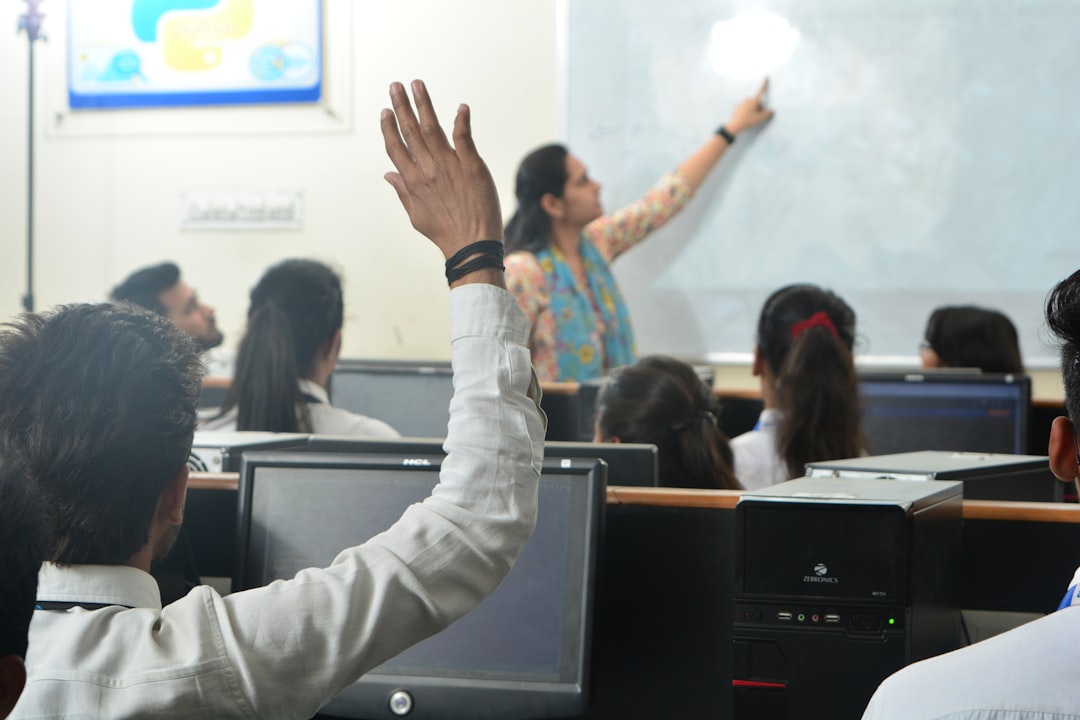
Recognizing and nurturing student strengths is a fundamental aspect of educational psychology that can significantly enhance learning experiences. Each student possesses unique talents and abilities, and identifying these strengths can lead to more personalized and effective teaching strategies. For example, a student who excels in verbal communication may benefit from opportunities to engage in discussions or presentations, while a student with strong analytical skills might thrive in problem-solving tasks.
By focusing on these strengths, educators can foster a sense of competence and confidence in their students. Moreover, nurturing strengths goes beyond mere identification; it involves creating an environment where students feel empowered to explore and develop their abilities. This can be achieved through differentiated instruction, where teachers adapt their teaching methods to accommodate various learning styles and preferences.
For instance, incorporating project-based learning allows students to leverage their strengths while collaborating with peers. Such an approach not only enhances academic performance but also promotes social skills and teamwork. By prioritizing the identification and nurturing of student strengths, educators can cultivate a more engaged and motivated classroom atmosphere.
Addressing Learning Challenges through Educational Psychology

Educational psychology plays a pivotal role in addressing learning challenges that students may face throughout their academic journeys. These challenges can stem from various sources, including cognitive disabilities, emotional issues, or environmental factors. By employing psychological principles, educators can develop targeted interventions that support struggling learners.
For instance, students with dyslexia may benefit from specialized reading programs that utilize multisensory approaches to enhance phonemic awareness and decoding skills. In addition to specific learning disabilities, educational psychology also addresses broader challenges such as anxiety and low self-esteem, which can hinder academic performance. Techniques such as cognitive-behavioral strategies can help students reframe negative thoughts and develop coping mechanisms for stress.
Furthermore, educational psychologists often collaborate with teachers to create individualized education plans (IEPs) for students with special needs, ensuring that they receive the necessary accommodations and support. By addressing these learning challenges through a psychological lens, educators can create a more equitable learning environment where all students have the opportunity to succeed.
The Impact of Motivation and Mindset on Student Achievement
| Metric | Description | Impact on Student Achievement | Example Data |
|---|---|---|---|
| Intrinsic Motivation | Student’s internal desire to learn and succeed | Higher intrinsic motivation correlates with improved academic performance and persistence | Students with high intrinsic motivation scored 15% higher on standardized tests |
| Growth Mindset | Belief that intelligence and abilities can be developed through effort | Students with a growth mindset show increased resilience and higher grades | Growth mindset interventions improved math scores by 10% |
| Self-Efficacy | Confidence in one’s ability to succeed in specific tasks | Higher self-efficacy leads to greater engagement and academic achievement | Students with high self-efficacy had a 20% higher course completion rate |
| Goal Setting | Setting specific, challenging, and attainable academic goals | Effective goal setting improves focus and academic outcomes | Students who set goals improved GPA by 0.5 points on average |
| Teacher Encouragement | Support and positive feedback from educators | Increases student motivation and fosters a positive learning environment | Classes with high teacher encouragement saw a 12% increase in student engagement |
Motivation and mindset are critical factors influencing student achievement, and educational psychology provides valuable insights into how these elements interact with learning processes. Research has shown that students who possess a growth mindset—believing that their abilities can be developed through effort—tend to perform better academically than those with a fixed mindset. This understanding has significant implications for teaching practices; educators can foster a growth mindset by emphasizing the importance of perseverance, effort, and resilience in the face of challenges.
Moreover, motivation is not a one-size-fits-all concept; it varies among students based on individual interests, goals, and external influences. Educational psychologists emphasize the importance of intrinsic motivation—where students engage in learning for its own sake—over extrinsic motivation, which relies on external rewards or punishments. Strategies such as providing choices in assignments or connecting lessons to real-world applications can enhance intrinsic motivation.
By understanding the nuances of motivation and mindset, educators can create learning experiences that inspire students to take ownership of their education and strive for excellence.
Creating Inclusive and Supportive Learning Environments
An inclusive and supportive learning environment is essential for fostering student success, and educational psychology offers frameworks for achieving this goal. Inclusivity involves recognizing and valuing the diverse backgrounds, abilities, and perspectives of all students. This can be accomplished by implementing culturally responsive teaching practices that acknowledge and celebrate diversity within the classroom.
For example, incorporating literature from various cultures or discussing historical events from multiple viewpoints can help students feel represented and engaged. Supportive environments also prioritize emotional well-being alongside academic achievement. Educational psychologists advocate for social-emotional learning (SEL) programs that teach students essential skills such as empathy, self-regulation, and relationship-building.
These programs not only enhance interpersonal skills but also contribute to a positive classroom climate where students feel safe to express themselves and take risks in their learning. By creating inclusive and supportive environments, educators can ensure that every student has the opportunity to thrive academically and socially.
Utilizing Educational Psychology to Enhance Teaching Strategies

The application of educational psychology in teaching strategies is vital for improving instructional effectiveness. Educators equipped with psychological insights can design lessons that cater to various learning styles and preferences. For instance, understanding that some students are visual learners while others are auditory or kinesthetic learners allows teachers to incorporate diverse instructional methods into their practice.
This might include using visual aids like charts and diagrams, engaging in group discussions, or incorporating hands-on activities that promote active participation. Additionally, educational psychology emphasizes the importance of formative assessment as a tool for enhancing teaching strategies. By regularly assessing student understanding through quizzes, discussions, or informal observations, educators can gain valuable feedback on their teaching effectiveness and make necessary adjustments in real-time.
This responsive approach not only supports student learning but also fosters a culture of continuous improvement within the classroom. By leveraging educational psychology to inform teaching strategies, educators can create dynamic learning experiences that resonate with their students.
Fostering Positive Student-Teacher Relationships
The quality of student-teacher relationships significantly impacts student engagement and achievement, making it a focal point in educational psychology. Positive relationships are built on trust, respect, and open communication; when students feel valued by their teachers, they are more likely to participate actively in class and seek help when needed. Educational psychologists emphasize the importance of establishing rapport with students through consistent interactions that demonstrate care and understanding.
Moreover, fostering positive relationships involves recognizing individual student needs and adapting approaches accordingly. For instance, some students may require more encouragement or support than others due to personal circumstances or learning challenges. Teachers who take the time to understand their students’ backgrounds and experiences can create a more empathetic classroom environment where all learners feel supported.
By prioritizing positive student-teacher relationships, educators can cultivate an atmosphere conducive to learning where students are motivated to excel.
Applying Educational Psychology in Educational Policy and Practice
The insights gained from educational psychology extend beyond individual classrooms; they have significant implications for educational policy and practice at broader levels. Policymakers who understand the principles of educational psychology can develop initiatives that promote effective teaching practices and support diverse learners across entire school systems. For example, policies that advocate for professional development in social-emotional learning or culturally responsive teaching reflect an understanding of how psychological principles can enhance educational outcomes.
Furthermore, educational psychology informs assessment practices at both the classroom and institutional levels. Standardized testing has long been a contentious issue in education; however, insights from educational psychology encourage a more holistic approach to assessment that considers multiple facets of student learning. This might include formative assessments that provide ongoing feedback rather than relying solely on high-stakes testing outcomes.
By integrating educational psychology into policy decisions, stakeholders can create systems that prioritize student well-being alongside academic achievement, ultimately leading to more equitable educational opportunities for all learners.