

The journey into the world of music often begins with a spark of passion, an innate desire to create or connect with sound. This passion can manifest in various forms, whether it’s the joy of listening to a favorite song, the thrill of dancing to a catchy beat, or the urge to express oneself through melodies. For many, this initial interest can be traced back to childhood experiences—perhaps a parent played an instrument, or a memorable concert left a lasting impression.
Understanding this passion is crucial, as it serves as the foundation for a lifelong relationship with music. As individuals delve deeper into their musical interests, they may find themselves drawn to specific genres or instruments that resonate with their emotions and experiences. This exploration can lead to a profound understanding of what music means to them personally.
Engaging with music on a deeper level—whether through listening, playing, or even studying its history—can ignite a sense of purpose and fulfillment. The act of discovering one’s passion for music is not merely about enjoyment; it is about uncovering a vital part of one’s identity and expressing it through sound.
Key Takeaways
- Find and nurture your passion for music to fuel your learning journey.
- Receive guidance from experienced professional musicians.
- Master playing your favorite instruments with tailored lessons.
- Experiment with various musical genres and styles to broaden your skills.
- Enhance your songwriting and composition abilities while engaging with a supportive community.
Expert Instruction from Professional Musicians

Once the passion for music is ignited, the next step often involves seeking guidance from those who have mastered the craft. Professional musicians bring a wealth of knowledge and experience that can significantly enhance one’s musical journey. They offer insights not only into technical skills but also into the nuances of performance and artistry.
Learning from experts allows aspiring musicians to avoid common pitfalls and accelerate their progress, as they receive tailored instruction that addresses their unique needs and goals. Moreover, professional musicians often share their personal stories and experiences, providing invaluable context that enriches the learning process. For instance, a guitar instructor who has toured internationally can offer practical advice on stage presence and audience engagement, while also imparting techniques that have been honed through years of practice.
This mentorship can inspire students to push their boundaries and explore new avenues within their musical pursuits. The relationship between student and teacher becomes a collaborative journey, where both parties learn and grow together in the vibrant world of music.
Learn to Play Your Favorite Instruments
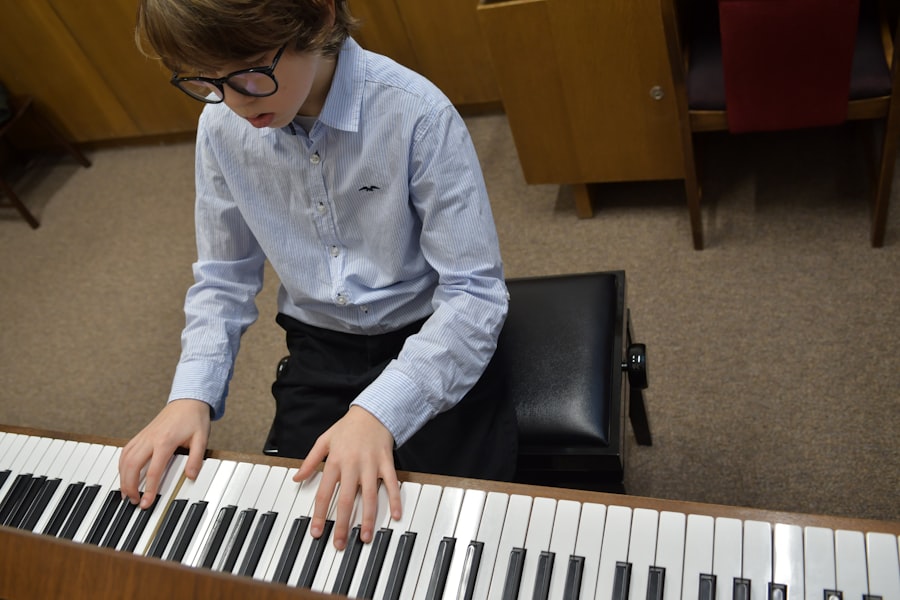
The choice of instrument can significantly shape one’s musical experience. Whether it’s the soulful resonance of a cello, the rhythmic pulse of drums, or the melodic lines of a flute, each instrument offers a unique voice and set of challenges. Learning to play an instrument requires dedication and practice, but it also opens up a world of creativity and expression.
Many musicians find that their connection to an instrument deepens over time, as they discover its capabilities and learn to communicate through it. For beginners, selecting an instrument often involves trial and error. Some may gravitate towards the piano for its versatility, while others might be drawn to the electric guitar for its association with rock music.
Regardless of the choice, the process of learning involves mastering fundamental techniques such as scales, chords, and rhythm patterns. As students progress, they begin to explore more complex pieces and develop their own style. This journey is not just about technical proficiency; it is also about finding joy in the act of playing and expressing oneself through the chosen instrument.
Explore Different Genres and Styles
| Genre/Style | Characteristics | Popular Artists | Typical Instruments | Common Themes |
|---|---|---|---|---|
| Rock | Strong beats, electric guitars, energetic vocals | The Beatles, Led Zeppelin, Queen | Electric guitar, bass, drums, vocals | Rebellion, love, social issues |
| Jazz | Improvisation, swing rhythms, complex chords | Miles Davis, John Coltrane, Ella Fitzgerald | Saxophone, trumpet, piano, double bass, drums | Freedom, emotion, storytelling |
| Classical | Structured compositions, orchestral arrangements | Ludwig van Beethoven, Wolfgang Amadeus Mozart | Violin, piano, cello, flute, orchestra | Emotion, nature, mythology |
| Hip Hop | Rhythmic speech (rap), DJing, beatboxing | Tupac, Kendrick Lamar, Nicki Minaj | Turntables, drum machines, synthesizers | Social issues, personal struggle, empowerment |
| Electronic | Synthesized sounds, repetitive beats, dance-oriented | Daft Punk, Deadmau5, Calvin Harris | Synthesizers, drum machines, samplers | Technology, futurism, nightlife |
| Country | Storytelling lyrics, simple melodies, twangy vocals | Johnny Cash, Dolly Parton, Carrie Underwood | Acoustic guitar, banjo, fiddle, pedal steel guitar | Love, heartbreak, rural life |
Music is an incredibly diverse art form, encompassing a vast array of genres and styles that reflect different cultures, histories, and emotions. Exploring various musical genres can be an enlightening experience for any musician. From classical to jazz, rock to hip-hop, each genre offers distinct characteristics that can influence one’s playing style and creative expression.
By immersing themselves in different styles, musicians can expand their musical vocabulary and discover new techniques that enhance their overall artistry. For example, a guitarist who primarily plays rock may find inspiration in the intricate fingerpicking patterns of folk music or the improvisational elements of jazz. This cross-pollination of styles can lead to innovative approaches to songwriting and performance.
Additionally, understanding the cultural context behind different genres can deepen one’s appreciation for music as a universal language. Engaging with diverse musical traditions not only broadens one’s skill set but also fosters a sense of connection with other musicians around the world.
Develop Your Songwriting and Composition Skills
Songwriting is an art form that allows musicians to convey their thoughts, feelings, and experiences through lyrics and melodies. Developing songwriting skills involves understanding the structure of songs—such as verses, choruses, and bridges—as well as experimenting with different lyrical themes and musical ideas. Many musicians find that writing songs becomes a therapeutic outlet, enabling them to process emotions and share their stories with others.
To enhance songwriting abilities, aspiring composers often study the works of established artists across various genres. Analyzing song structures, lyrical content, and melodic hooks can provide valuable insights into what makes a song resonate with listeners. Additionally, collaborating with other musicians can spark creativity and lead to unexpected musical outcomes.
Whether it’s co-writing with a friend or participating in songwriting workshops, these collaborative experiences can push individuals out of their comfort zones and inspire new ideas.
Join a Community of Like-Minded Musicians
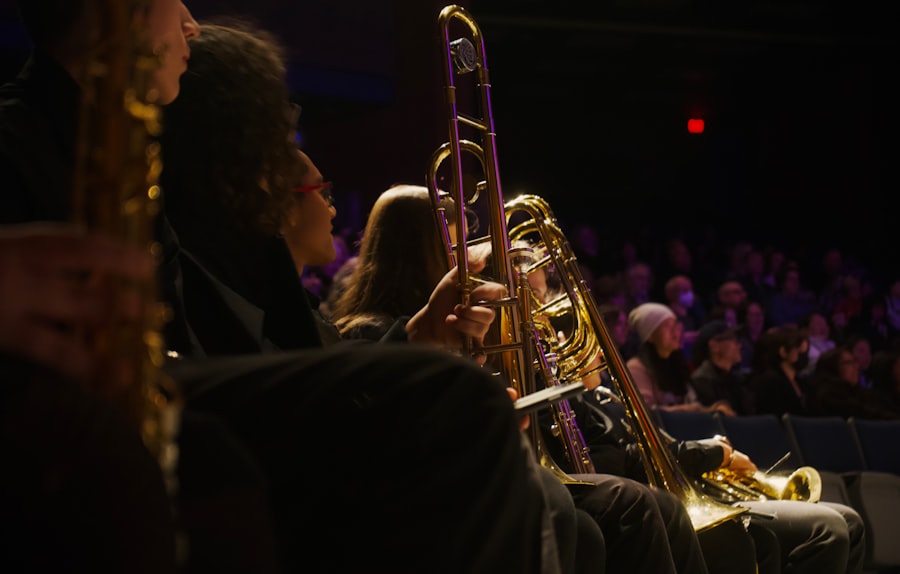
The journey of learning music can sometimes feel isolating; however, joining a community of like-minded musicians can provide support, encouragement, and camaraderie. Music communities can take many forms—local bands, online forums, or music schools—each offering unique opportunities for collaboration and growth. Being part of a community allows musicians to share their experiences, exchange ideas, and learn from one another in a nurturing environment.
In addition to fostering friendships, these communities often provide performance opportunities that can help build confidence and stage presence. Participating in jam sessions or open mic nights allows musicians to showcase their talents while receiving constructive feedback from peers. This sense of belonging can be incredibly motivating; knowing that others share similar passions can inspire individuals to pursue their musical goals with renewed vigor.
Ultimately, being part of a community enriches the musical experience by creating lasting connections that extend beyond mere collaboration.
Perform in Recitals and Concerts
Performing in front of an audience is a pivotal aspect of any musician’s journey. It is during these moments that artists truly connect with listeners and share their passion for music on a larger scale. Whether it’s a small recital at a local venue or a larger concert setting, performing provides invaluable experience that helps musicians hone their skills under pressure.
The adrenaline rush that accompanies live performances can be both exhilarating and nerve-wracking; however, it is also an opportunity for personal growth. Preparation for performances often involves rigorous practice sessions focused on perfecting pieces while also developing stage presence and audience engagement techniques. Musicians learn how to manage performance anxiety and channel that energy into their playing.
Additionally, receiving feedback from audiences can be incredibly rewarding; witnessing how music resonates with others reinforces the importance of artistic expression. Each performance becomes a stepping stone toward greater confidence and mastery in one’s craft.
Take Your Musical Journey to the Next Level
As musicians progress in their skills and experiences, they may find themselves at a crossroads where they must decide how to elevate their musical journey further. This could involve pursuing advanced studies in music theory or composition at an academic institution or seeking opportunities in professional settings such as recording studios or live performances. For some, this might mean exploring new technologies in music production or delving into digital platforms for distribution and promotion.
Additionally, many musicians choose to diversify their skill sets by learning about music business practices or marketing strategies to better navigate the industry landscape. Networking with industry professionals can open doors to collaborations or performance opportunities that were previously unattainable. Ultimately, taking one’s musical journey to the next level requires both ambition and adaptability; embracing new challenges while remaining true to one’s artistic vision is key to achieving long-term success in the ever-evolving world of music.