

Learning centers have emerged as vital educational resources that cater to the diverse needs of students across various age groups and academic levels. These centers serve as hubs for academic support, enrichment, and personal development, providing a structured environment where learners can thrive. The concept of learning centers is rooted in the understanding that education is not a one-size-fits-all endeavor; rather, it requires a multifaceted approach that addresses individual learning styles, interests, and challenges.
By offering a range of services and programs, learning centers play a crucial role in enhancing the educational experience and fostering a love for learning. The evolution of learning centers can be traced back to the growing recognition of the importance of personalized education. Traditional classroom settings often struggle to accommodate the unique needs of every student, leading to gaps in understanding and engagement.

Learning centers bridge this gap by providing tailored support that complements formal education. They create an inclusive atmosphere where students can explore subjects at their own pace, receive targeted assistance, and engage in collaborative learning experiences. This holistic approach not only improves academic performance but also nurtures critical thinking, creativity, and social skills.
Key Takeaways
- Learning centers provide comprehensive academic support and tutoring to enhance student performance.
- They offer enrichment and extracurricular activities to foster well-rounded development.
- Specialized learning programs cater to diverse educational needs and learning styles.
- Personalized attention ensures tailored support for individual student growth.
- Engagement with community and parents strengthens the overall learning environment.
Academic Support and Tutoring Services

One of the primary functions of learning centers is to offer academic support and tutoring services that cater to students who may be struggling with specific subjects or concepts. These services are designed to reinforce classroom learning and provide additional resources for students who require extra help. Tutors at learning centers are often trained educators or subject matter experts who possess a deep understanding of the curriculum and effective teaching strategies.
They work closely with students to identify their strengths and weaknesses, tailoring their instruction to meet individual needs. For instance, a student struggling with mathematics may benefit from one-on-one tutoring sessions that focus on foundational concepts before progressing to more complex topics. Tutors can employ various teaching methods, such as visual aids, interactive exercises, and real-world applications, to make learning more engaging and relatable.
Additionally, learning centers often provide access to a wealth of resources, including textbooks, online tools, and practice materials, which further enhance the tutoring experience. This comprehensive support system not only helps students improve their grades but also builds their confidence and fosters a positive attitude toward learning.
Enrichment and Extracurricular Activities

Beyond academic support, learning centers frequently offer enrichment programs and extracurricular activities that promote holistic development. These programs are designed to stimulate students’ interests and talents outside the traditional curriculum, allowing them to explore new subjects and develop skills that may not be emphasized in school. Enrichment activities can range from arts and crafts workshops to science experiments, coding classes, and even sports leagues.
By providing diverse opportunities for exploration, learning centers encourage students to discover their passions and cultivate their creativity. For example, a learning center might host a robotics club where students can collaborate on building projects while learning about engineering principles and programming. Such hands-on experiences not only enhance technical skills but also foster teamwork and problem-solving abilities.
Additionally, extracurricular activities often serve as a platform for social interaction, allowing students to form friendships and build a sense of community. This social aspect is particularly important for young learners, as it helps them develop interpersonal skills and emotional intelligence, which are essential for success in both academic and personal spheres.
Specialized Learning Programs
| Program Name | Target Audience | Duration | Key Skills Developed | Average Completion Rate (%) | Assessment Type |
|---|---|---|---|---|---|
| STEM Enrichment | Middle School Students | 12 weeks | Critical Thinking, Problem Solving, Coding | 85 | Project-Based |
| Language Immersion | Elementary Students | 8 weeks | Fluency, Listening, Speaking | 78 | Oral and Written Exams |
| Advanced Arts | High School Students | 16 weeks | Creativity, Technique, Portfolio Development | 90 | Portfolio Review |
| Special Needs Support | All Ages | Ongoing | Adaptive Learning, Social Skills | 95 | Individualized Assessments |
| Leadership Development | High School Students | 10 weeks | Communication, Teamwork, Decision Making | 82 | Group Projects and Presentations |
Learning centers also cater to students with specific needs through specialized learning programs. These programs are designed for individuals who may have learning disabilities, language barriers, or other challenges that require tailored approaches to education. For instance, centers may offer programs specifically for students with dyslexia or ADHD, employing strategies that align with their unique learning profiles.
Such specialized support ensures that all students have access to quality education and the opportunity to succeed. In addition to addressing learning differences, specialized programs may also focus on language acquisition for non-native speakers. These programs often incorporate immersive language experiences that help students develop their communication skills in a supportive environment.
By providing targeted instruction and resources, learning centers empower students to overcome obstacles and achieve their academic goals. The success stories that emerge from these specialized programs highlight the transformative impact of personalized education on individual lives.
Personalized Attention and Support
One of the defining features of learning centers is the emphasis on personalized attention and support for each student. In contrast to traditional classrooms where teachers may be responsible for large groups of students, learning centers typically maintain smaller class sizes or offer one-on-one tutoring sessions. This allows educators to focus on individual learners, understanding their unique challenges and strengths.
Personalized attention fosters a deeper connection between students and educators, creating an environment where learners feel valued and understood. Moreover, personalized support extends beyond academic instruction; it encompasses emotional and social development as well. Educators at learning centers often take the time to build rapport with students, creating a safe space for them to express their concerns and aspirations.
This holistic approach not only enhances academic performance but also contributes to the overall well-being of students. When learners feel supported on multiple levels, they are more likely to engage actively in their education and develop a lifelong love for learning.
Skill Development and Enhancement
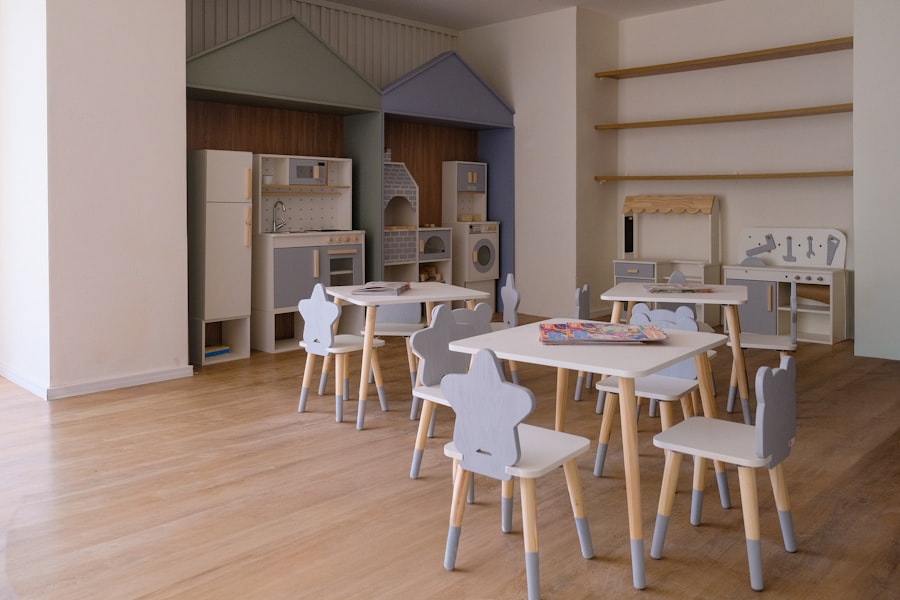
Learning centers play a pivotal role in skill development and enhancement by offering programs that focus on both academic skills and life skills. Academic skill development includes targeted instruction in core subjects such as mathematics, reading, writing, and science. However, learning centers also recognize the importance of equipping students with essential life skills that will serve them well beyond the classroom.
For instance, many learning centers incorporate programs that teach critical thinking, problem-solving, time management, and effective communication skills. These skills are vital for success in higher education and the workforce. Workshops on public speaking or leadership training can empower students to express themselves confidently in various settings.
By fostering both academic excellence and essential life skills, learning centers prepare students for future challenges while instilling a sense of responsibility and self-efficacy.
Community and Social Engagement
Learning centers often serve as community hubs that promote social engagement among students, families, and educators. They create opportunities for collaboration between various stakeholders in the educational process, fostering a sense of belonging within the community. Events such as family nights, workshops for parents, or community service projects encourage active participation from families while strengthening the ties between home and school.
Additionally, community engagement initiatives can take many forms, including partnerships with local organizations or businesses that provide resources or mentorship opportunities for students. For example, a learning center might collaborate with a local library to host reading programs or work with nearby businesses to offer internships for older students. Such partnerships not only enrich the educational experience but also instill a sense of civic responsibility in students as they learn the value of giving back to their community.
Parental Involvement and Support
Parental involvement is a critical component of a child’s educational journey, and learning centers actively encourage parents to participate in their children’s learning experiences. By fostering open communication between educators and families, learning centers create an environment where parents feel empowered to support their children’s academic growth. Workshops or informational sessions can provide parents with strategies to reinforce learning at home or navigate challenges related to their child’s education.
Moreover, many learning centers offer resources specifically designed for parents, such as access to educational materials or guidance on how to advocate for their child’s needs within the school system. This collaborative approach not only enhances student outcomes but also strengthens the partnership between families and educators. When parents are engaged in their child’s education, it creates a supportive network that contributes significantly to the child’s overall success.
In summary, learning centers represent a dynamic approach to education that prioritizes individualized support, skill development, community engagement, and parental involvement. By addressing the diverse needs of learners through various programs and services, these centers play an essential role in shaping well-rounded individuals who are prepared for future challenges both academically and socially.
