

The decision to choose a public school for a child is one of the most significant choices parents face. Public schools serve as the foundation for a child’s education, shaping not only their academic skills but also their social development and personal growth. As families navigate this critical decision, exploring nearby public schools becomes an essential step in ensuring that children receive the best possible education tailored to their needs.
The proximity of these schools often plays a crucial role, as it can influence daily logistics, community involvement, and the overall educational experience. Exploring nearby public schools involves a multifaceted approach that goes beyond simply looking at test scores or school rankings. It requires a deep dive into various aspects of each institution, including academic programs, extracurricular activities, and the overall environment.

By engaging in thorough research and firsthand experiences, parents can gain valuable insights into which school aligns best with their child’s unique learning style and personal interests. This exploration process not only empowers parents to make informed decisions but also fosters a sense of community and connection with local educational institutions.
Key Takeaways
- Researching and visiting nearby public schools provides valuable insights into educational options.
- Meeting with administrators and teachers helps understand school leadership and teaching quality.
- Observing classes and extracurricular activities reveals student engagement and program variety.
- Evaluating school facilities and resources ensures the environment supports learning needs.
- Considering the school’s community and culture is essential for making an informed enrollment decision.
Researching Nearby Public Schools

The first step in exploring nearby public schools is conducting comprehensive research. This phase involves gathering information from various sources, including school district websites, educational databases, and community forums. Many school districts provide detailed profiles of their schools, which often include academic performance metrics, enrollment statistics, and information about special programs.
Websites like GreatSchools.org and Niche.com offer user-generated reviews and ratings that can provide additional context about the school’s reputation within the community. In addition to online resources, local libraries and community centers often have educational materials that can aid in research. Parents can access brochures, pamphlets, and even attend informational sessions hosted by the schools themselves.
Engaging with other parents in the community can also yield valuable insights. Conversations with those who have firsthand experience with the schools can reveal nuances that statistics alone may not capture, such as the quality of communication between teachers and parents or the level of support provided to students with special needs.
Visiting Nearby Public Schools
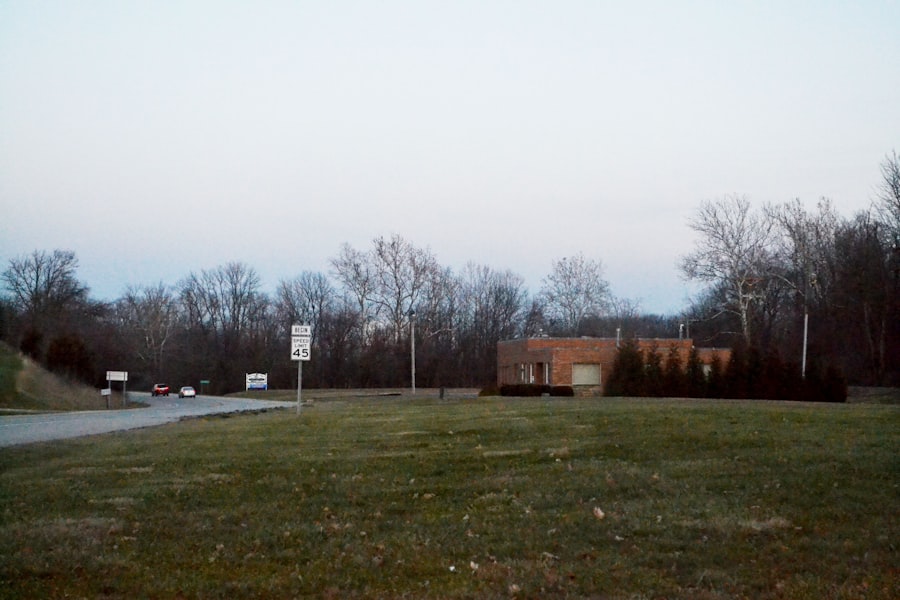
Once initial research has been conducted, visiting nearby public schools is a crucial next step. A physical visit allows parents to experience the school’s environment firsthand and assess its suitability for their child. During these visits, parents should take note of the school’s layout, cleanliness, and overall atmosphere.
Observing how students interact with one another and with staff can provide important clues about the school’s culture and climate. Scheduled tours often include opportunities to meet with current students and teachers, which can further enrich the visit. Parents should prepare questions in advance to ensure they gather relevant information during these interactions.
For instance, asking students about their favorite aspects of the school or how they feel supported academically can provide insights that are not readily available through formal channels. Additionally, visiting during school hours allows parents to witness the daily routines and activities that characterize life at the school.
Meeting with School Administrators and Teachers
| Metric | Description | Value | Unit |
|---|---|---|---|
| Number of Attendees | Total participants including administrators and teachers | 25 | People |
| Meeting Duration | Length of the meeting | 90 | Minutes |
| Topics Covered | Number of agenda items discussed | 5 | Items |
| Action Items Created | Number of tasks assigned during the meeting | 8 | Tasks |
| Feedback Score | Average satisfaction rating from attendees (1-5) | 4.3 | Rating |
| Follow-up Meeting Scheduled | Whether a follow-up meeting was planned | Yes | Boolean |
Engaging with school administrators and teachers is an essential component of exploring nearby public schools. These individuals are often the best sources of information regarding the school’s mission, educational philosophy, and specific programs offered. Meetings can be arranged through formal appointments or during open house events, where parents can ask questions directly related to their child’s needs.
During these discussions, parents should inquire about curriculum offerings, teaching methodologies, and support services available for students who may require additional assistance. Understanding how teachers approach classroom management and student engagement can also provide valuable insights into the learning environment. Furthermore, discussing the school’s approach to discipline and conflict resolution can help parents gauge whether the school’s values align with their own.
Observing Classes and Extracurricular Activities
Observing classes in action is one of the most effective ways to assess a school’s educational quality. Many schools offer opportunities for prospective parents to sit in on lessons or attend open classrooms where they can witness teaching styles and student interactions firsthand. This observation can reveal how engaged students are in their learning and how effectively teachers communicate complex concepts.
Extracurricular activities are equally important in evaluating a school’s overall offerings. These programs often play a significant role in a child’s development outside of academics, fostering teamwork, leadership skills, and personal interests. Parents should inquire about clubs, sports teams, and arts programs available at the school.
Attending a few extracurricular events or practices can provide insight into student participation levels and the enthusiasm surrounding these activities.
Gathering Information on School Facilities and Resources
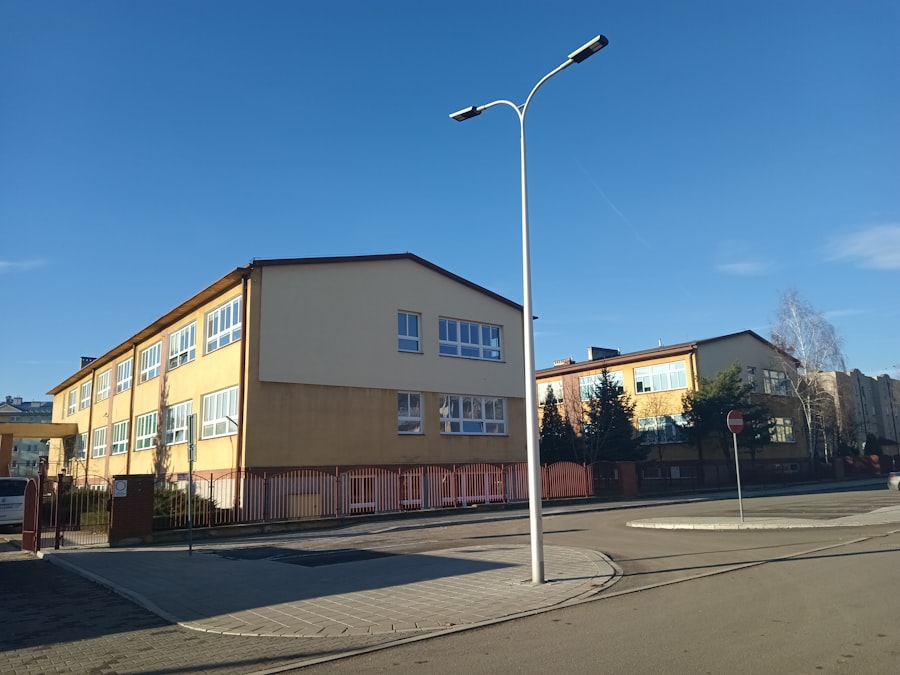
The physical environment of a school significantly impacts students’ learning experiences. When exploring nearby public schools, parents should gather information about the facilities available on campus. This includes classrooms, libraries, laboratories, sports facilities, and technology resources.
A well-equipped school can enhance educational opportunities by providing students with access to modern tools and resources that support their learning. Additionally, understanding how schools allocate resources for special programs—such as gifted education or special education—can be crucial for parents of children with specific needs. Schools that prioritize investment in facilities often demonstrate a commitment to providing high-quality education.
Parents should also consider safety measures in place at the school, including security protocols and emergency preparedness plans.
Considering the School’s Community and Culture
The community surrounding a public school plays a vital role in shaping its culture and values. Parents should consider how well the school integrates with its local community and whether it fosters strong relationships with families. Schools that actively engage with parents through events, volunteer opportunities, and communication channels tend to create a more supportive environment for students.
Cultural diversity within a school can also enrich the educational experience by exposing students to different perspectives and backgrounds. Parents should explore whether the school promotes inclusivity and celebrates diversity through its curriculum and activities. Understanding how the school addresses issues related to equity and social justice can provide insight into its commitment to creating a positive learning environment for all students.
Making an Informed Decision about Nearby Public Schools
After thoroughly researching, visiting, observing classes, meeting with educators, and considering community factors, parents are better equipped to make an informed decision about nearby public schools. This decision-making process should involve weighing all gathered information against their child’s unique needs and preferences. It is essential for parents to reflect on what aspects of a school are most important to them—be it academic rigor, extracurricular offerings, or community involvement.
Ultimately, choosing a public school is not merely about selecting an institution; it is about finding a nurturing environment where children can thrive academically and socially. By taking a comprehensive approach to exploring nearby public schools, parents can ensure they make choices that will positively impact their child’s educational journey for years to come. The investment of time and effort in this exploration process will pay dividends as children grow into well-rounded individuals prepared for future challenges.
