
Play is often regarded as a fundamental aspect of childhood, serving as a vital mechanism through which children explore their world, develop skills, and form relationships. It is not merely a leisure activity; rather, it is a complex and multifaceted process that contributes significantly to various dimensions of child development. From the moment they are born, children engage in play, whether it be through simple movements, interactions with caregivers, or imaginative scenarios.
This natural inclination towards play is not only instinctual but also essential for their growth and well-being. The significance of play extends beyond mere enjoyment; it is intricately linked to the physical, cognitive, emotional, and social development of children. As they engage in different types of play—be it solitary, parallel, or cooperative—children learn to navigate their environment, understand social norms, and develop critical thinking skills.

The diverse forms of play, including structured games, free play, and imaginative role-playing, provide children with opportunities to experiment, make choices, and learn from their experiences. Understanding the profound impact of play on child development can help parents, educators, and caregivers create enriching environments that foster healthy growth.
Key Takeaways
- Play is essential for holistic child development, impacting physical, cognitive, emotional, and social growth.
- Physical play enhances motor skills, coordination, and overall health in children.
- Imaginative and social play foster creativity, language development, and effective communication.
- Play encourages problem-solving abilities and decision-making skills in real-life situations.
- Engaging in play helps children build resilience and develop coping mechanisms for challenges.
The Benefits of Play for Physical Development

Physical development in children encompasses the growth of both gross and fine motor skills, which are crucial for their overall health and well-being. Engaging in play activities such as running, jumping, climbing, and throwing helps children develop strength, coordination, balance, and agility. For instance, when children participate in outdoor games like tag or soccer, they not only enhance their cardiovascular fitness but also improve their muscle tone and endurance.
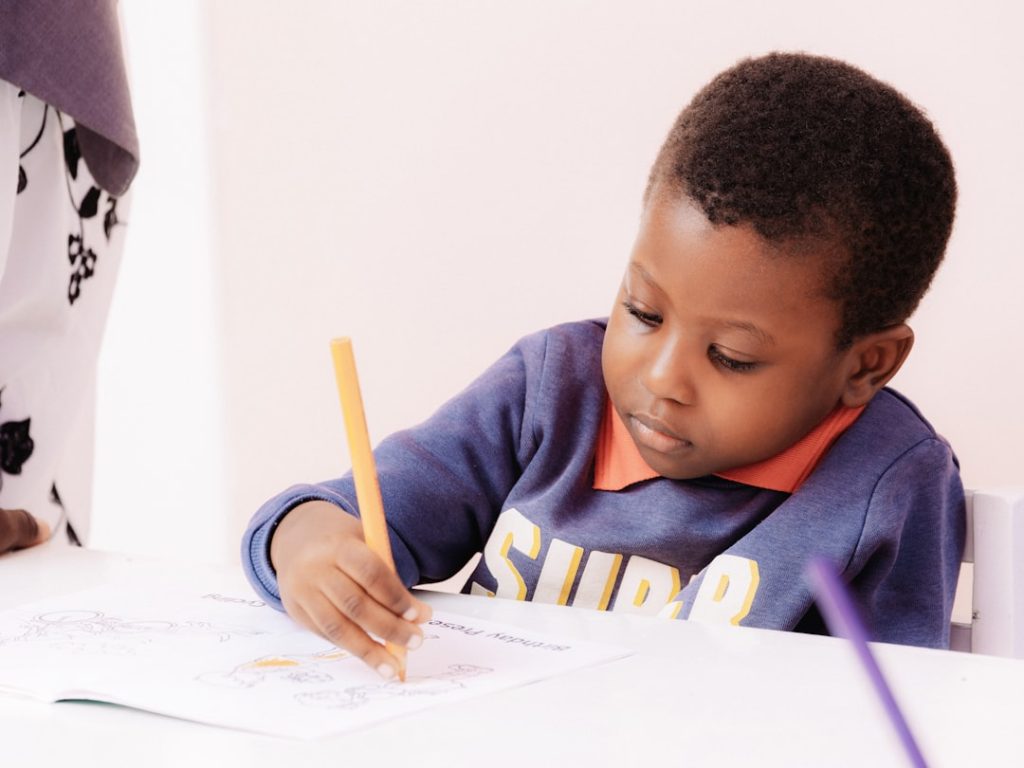
These activities encourage them to push their physical limits while having fun, making exercise an enjoyable part of their daily routine. Moreover, play also plays a significant role in the development of fine motor skills. Activities such as building with blocks, drawing with crayons, or manipulating small objects require precision and control.
These tasks help children refine their hand-eye coordination and dexterity. For example, when a child engages in arts and crafts, they learn to use scissors or glue effectively, which are essential skills for later academic tasks like writing or typing. The interplay between physical activity and play is crucial; as children engage in various forms of play, they not only develop their bodies but also cultivate a sense of confidence in their physical abilities.
The Role of Play in Cognitive Development
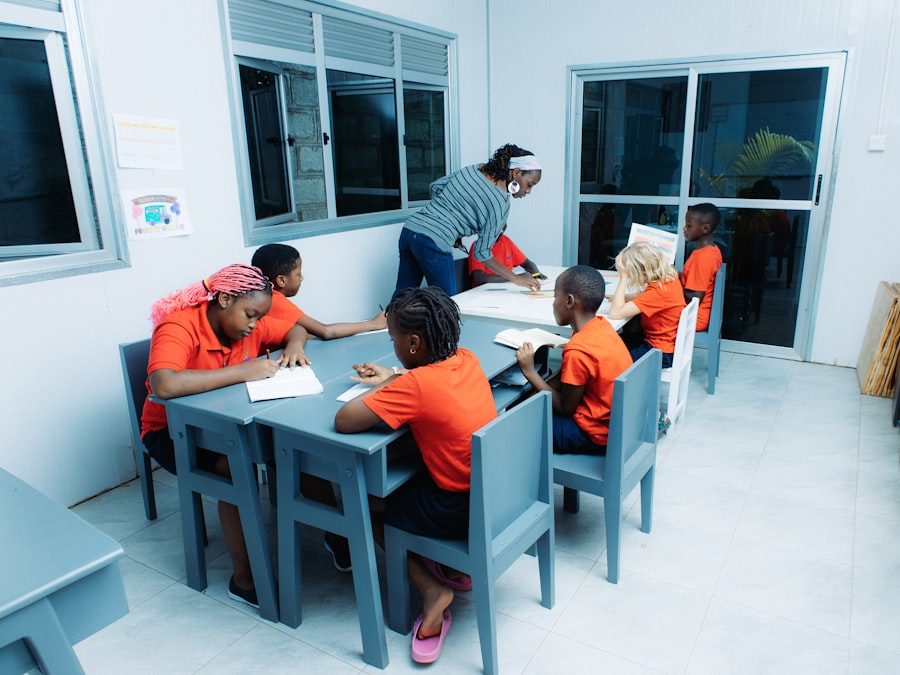
Cognitive development refers to the processes through which children acquire knowledge and understanding through thought, experience, and the senses. Play serves as a powerful catalyst for cognitive growth by providing children with opportunities to explore concepts such as cause and effect, problem-solving, and critical thinking. For instance, when children engage in building activities with blocks or construction sets, they learn about spatial relationships and basic physics principles.
They experiment with balance and gravity as they construct towers or bridges, leading to a deeper understanding of these concepts. Additionally, imaginative play significantly enhances cognitive development by allowing children to create narratives and scenarios that require them to think abstractly. When children engage in role-playing—whether pretending to be doctors, teachers, or superheroes—they practice decision-making and develop their ability to think creatively.
This type of play encourages them to consider different perspectives and outcomes, fostering empathy and social awareness. Research has shown that children who engage in imaginative play tend to perform better in tasks that require cognitive flexibility and problem-solving skills later in life.
Emotional and Social Development through Play
| Aspect | Metric | Description | Typical Age Range | Example Activity |
|---|---|---|---|---|
| Emotional Recognition | Ability to identify emotions | Children’s skill in recognizing their own and others’ emotions during play | 2-5 years | Role-playing with puppets expressing different feelings |
| Empathy Development | Frequency of empathetic responses | How often children show concern or help peers in play scenarios | 3-7 years | Cooperative games requiring sharing and turn-taking |
| Social Interaction | Number of peer interactions per play session | Count of meaningful social exchanges during playtime | 2-8 years | Group building blocks or team sports |
| Conflict Resolution | Instances of resolving disputes independently | How often children negotiate and solve conflicts without adult intervention | 4-8 years | Collaborative problem-solving games |
| Self-Regulation | Duration of sustained attention and impulse control | Ability to control emotions and behavior during structured play | 3-6 years | Simon Says or other turn-based games |
Play is a vital avenue for emotional expression and social interaction among children. Through play, children learn to navigate their feelings and understand the emotions of others. For example, when children engage in cooperative games that require teamwork, they experience both the joys of success and the challenges of failure.
These experiences teach them about resilience and the importance of perseverance. Moreover, as they encounter conflicts during play—such as disagreements over rules or sharing toys—they learn essential conflict resolution skills that are crucial for their emotional intelligence. Socially, play provides a platform for children to build relationships with peers.
Engaging in group activities fosters communication skills as children learn to express their thoughts and negotiate roles within a game. For instance, during a game of pretend where one child takes on the role of a parent while another plays the child, they practice social roles and develop an understanding of family dynamics. This interaction not only strengthens their social bonds but also enhances their ability to empathize with others’ feelings and perspectives.
The emotional richness that comes from these interactions lays the groundwork for healthy relationships throughout life.
The Importance of Imaginative Play
Imaginative play is often considered one of the most enriching forms of play for children. It allows them to transcend reality and explore new possibilities through creativity and fantasy. This type of play is characterized by role-playing scenarios where children take on different characters or situations—be it pretending to be astronauts exploring space or chefs cooking in a restaurant.
Such imaginative scenarios stimulate creativity and encourage children to think outside the box. Furthermore, imaginative play is instrumental in developing narrative skills and enhancing language abilities. As children create stories during their playtime, they learn to structure narratives with beginnings, middles, and ends.
This practice not only enriches their vocabulary but also improves their ability to articulate thoughts clearly. For example, when a child narrates a story about a dragon saving a princess while playing with friends, they practice using descriptive language and dialogue. This form of expression is crucial for effective communication later in life.
How Play Promotes Language and Communication Skills

Language development is intricately linked to play; as children engage in various forms of play, they naturally enhance their vocabulary and communication abilities. During playtime interactions with peers or caregivers, children are exposed to new words and phrases that enrich their linguistic repertoire. For instance, when playing a board game that involves following instructions or asking questions about game pieces, children practice using language in context.
This exposure helps them understand the nuances of communication—such as tone, volume, and body language. Moreover, storytelling during play serves as an excellent opportunity for language development. When children create narratives or act out stories with dolls or action figures, they practice constructing sentences and using descriptive language effectively.
This not only boosts their vocabulary but also enhances their comprehension skills as they learn to follow plots and understand character motivations. Research indicates that children who engage in rich verbal interactions during play are more likely to excel in reading and writing skills as they progress through school.
Play as a Tool for Problem-Solving and Decision-Making
Play inherently involves challenges that require problem-solving skills and decision-making abilities. Whether it’s figuring out how to build a stable structure with blocks or strategizing how to win a game with friends, children are constantly faced with situations that demand critical thinking. For example, when playing a puzzle game where pieces must fit together correctly, children learn to analyze shapes and patterns while developing persistence as they work through challenges.
Additionally, cooperative play often necessitates group decision-making processes where children must negotiate roles or agree on rules. This collaborative aspect of play teaches them how to weigh options and consider different viewpoints before arriving at a consensus. For instance, during a game where players must decide on a team strategy for winning against opponents, each child contributes ideas based on their understanding of the game dynamics.
This experience not only hones their problem-solving skills but also fosters teamwork—a crucial skill for future academic and professional environments.
The Role of Play in Building Resilience and Coping Skills
Resilience—the ability to bounce back from setbacks—is an essential trait that can be cultivated through play experiences. When children encounter challenges during play—such as losing a game or facing difficulties in completing a task—they learn valuable lessons about perseverance and coping strategies. For instance, when a child fails to build a tower that doesn’t topple over after several attempts, they are presented with an opportunity to reassess their approach and try again.
This iterative process teaches them that failure is not an endpoint but rather a stepping stone toward success. Moreover, play provides a safe space for children to express emotions related to frustration or disappointment without fear of judgment. Engaging in role-play scenarios allows them to process complex feelings by acting out situations that mirror real-life challenges.
For example, if a child pretends to be a character facing adversity—such as a superhero overcoming obstacles—they can explore feelings of fear or anxiety in a controlled environment. This imaginative exploration helps them develop coping mechanisms that can be applied in real-life situations when faced with adversity. In summary, the multifaceted nature of play serves as an essential foundation for holistic child development across various domains—physical, cognitive, emotional, social—and equips them with vital life skills that extend far beyond childhood into adulthood.
Understanding the profound impact of play can empower caregivers and educators to create environments that nurture this natural inclination towards exploration and learning.
