

Secondary schools serve as a pivotal stage in the educational journey of students, typically encompassing grades 9 through 12. This phase is crucial for adolescents as they transition from childhood into young adulthood, preparing them for higher education, vocational training, or direct entry into the workforce. The curriculum in secondary schools is designed to provide a comprehensive education that not only focuses on academic subjects but also emphasizes personal development, social skills, and critical thinking.
The importance of secondary education cannot be overstated; it lays the groundwork for lifelong learning and equips students with the necessary tools to navigate an increasingly complex world. In many regions, secondary schools are categorized into various types, including public, private, charter, and magnet schools. Each type offers distinct advantages and challenges, catering to diverse student needs and community expectations.

Public secondary schools are funded by government sources and are generally required to follow state-mandated curricula. Private schools, on the other hand, operate independently of government funding and often have the flexibility to create specialized programs that may not be available in public institutions. Charter schools combine elements of both public and private education, offering innovative teaching methods while still receiving public funding.
Magnet schools focus on specific areas of study, such as science, technology, or the arts, attracting students with particular interests or talents.
Key Takeaways
- Secondary schools vary in location, accessibility, and community integration.
- Academic programs and extracurricular activities are key factors in school selection.
- Diversity within the student body enriches the learning environment.
- Qualified faculty and well-equipped facilities support student success.
- Active parent and community involvement enhances educational outcomes.

Location and Accessibility of Nearby Secondary Schools
The location of secondary schools plays a significant role in their accessibility and overall effectiveness. Proximity to students’ homes can greatly influence attendance rates and participation in after-school activities. In urban areas, secondary schools are often situated within walking distance or a short public transit ride from residential neighborhoods, making them easily accessible for students.
Conversely, in rural regions, students may face longer commutes, which can impact their engagement and involvement in school life. The geographical distribution of schools can also affect the diversity of the student body, as families may choose to relocate based on the quality and reputation of nearby institutions. Accessibility is not solely about physical distance; it also encompasses the availability of transportation options and the inclusivity of school facilities.
Many secondary schools are now prioritizing accessibility for students with disabilities by ensuring that their buildings comply with the Americans with Disabilities Act (ADA) standards. This includes features such as ramps, elevators, and designated parking spaces. Additionally, some schools offer transportation services for students who live farther away or have limited access to public transit.
By addressing these logistical challenges, secondary schools can foster a more inclusive environment that encourages all students to participate fully in their educational experience.
Academic Programs and Extracurricular Activities

The academic programs offered at secondary schools are diverse and tailored to meet the varying needs of students. Core subjects such as mathematics, science, language arts, and social studies form the foundation of the curriculum. However, many schools also provide advanced placement (AP) courses, International Baccalaureate (IB) programs, and dual enrollment options that allow students to earn college credits while still in high school.
These rigorous academic offerings not only challenge students but also enhance their college applications by demonstrating their readiness for higher education. Extracurricular activities are equally important in shaping a well-rounded educational experience. Secondary schools typically offer a wide range of clubs, sports teams, and artistic programs that cater to various interests.
Participation in these activities fosters teamwork, leadership skills, and personal growth. For instance, joining a debate club can enhance critical thinking and public speaking abilities, while involvement in athletics promotes physical fitness and camaraderie among peers. Schools that prioritize extracurricular engagement often see higher levels of student satisfaction and retention, as these activities provide essential outlets for creativity and social interaction.
Student Body and Diversity
| Metric | Value | Notes |
|---|---|---|
| Total Enrollment | 15,000 | Undergraduate and graduate students combined |
| Undergraduate Enrollment | 10,500 | Full-time students |
| Graduate Enrollment | 4,500 | Includes master’s and doctoral students |
| Percentage Female Students | 52% | All levels |
| Percentage Male Students | 48% | All levels |
| International Students | 18% | Students from outside the country |
| Racial/Ethnic Diversity | Undergraduate population | |
| White | 45% | |
| Hispanic/Latino | 20% | |
| Black/African American | 15% | |
| Asian | 12% | |
| Other/Multiracial | 8% | |
| First-Generation College Students | 30% | Students whose parents did not attend college |
| Students Receiving Financial Aid | 60% | Includes grants, scholarships, and loans |
The composition of the student body in secondary schools reflects the broader community’s demographics and cultural richness. A diverse student population can enhance the educational experience by exposing students to different perspectives and fostering an environment of inclusivity. Many secondary schools actively promote diversity through targeted recruitment efforts and inclusive policies that celebrate various cultural backgrounds.
This diversity can manifest in numerous ways, including ethnicity, socioeconomic status, language proficiency, and learning abilities. Moreover, a diverse student body can lead to improved academic outcomes. Research has shown that students who learn in diverse environments tend to develop better critical thinking skills and are more adept at collaborating with individuals from different backgrounds.
Schools that embrace diversity often implement programs aimed at promoting cultural awareness and sensitivity among students. For example, multicultural events or heritage months can provide opportunities for students to share their traditions and learn from one another. Such initiatives not only enrich the school culture but also prepare students for a globalized society where cross-cultural communication is essential.
Faculty and Staff
The quality of faculty and staff is a critical determinant of a secondary school’s success. Educators play a vital role in shaping students’ academic experiences and personal development. Effective teachers not only possess strong subject matter knowledge but also demonstrate the ability to engage students through innovative teaching methods.
Professional development opportunities for teachers are essential in ensuring they remain current with educational best practices and pedagogical advancements. In addition to classroom teachers, support staff such as counselors, librarians, and special education professionals contribute significantly to the overall school environment. School counselors are particularly important during the secondary years as they assist students in navigating academic challenges, personal issues, and college or career planning.
A well-rounded faculty that includes diverse expertise can create a supportive atmosphere where students feel valued and understood. Schools that prioritize hiring qualified staff who reflect the diversity of their student body often foster stronger connections between educators and students.
Facilities and Resources
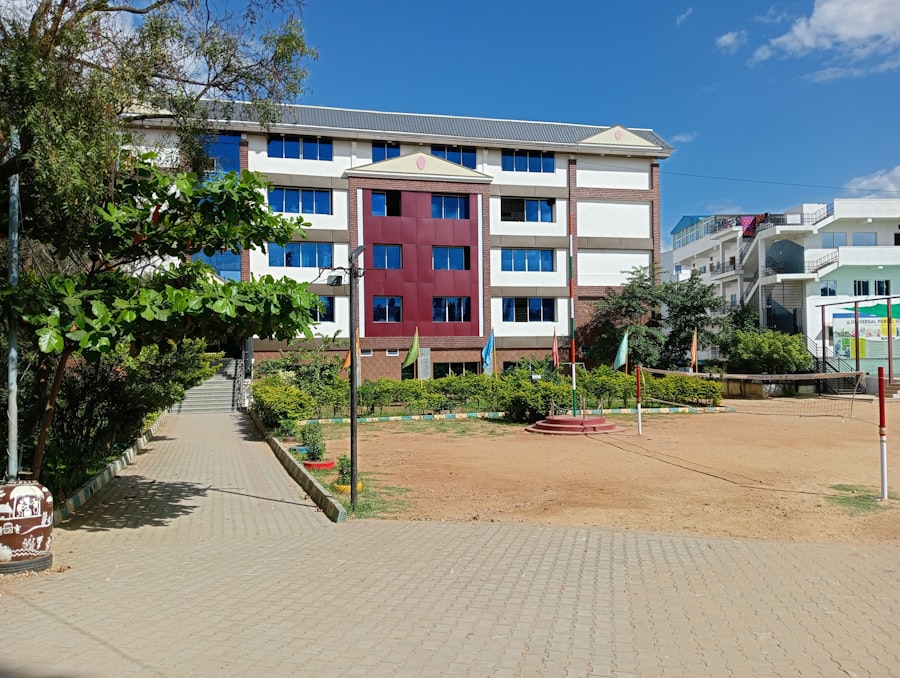
The physical environment of a secondary school significantly impacts student learning and engagement. Modern facilities equipped with advanced technology can enhance educational experiences by providing access to digital resources and interactive learning tools. Classrooms designed for collaboration—featuring flexible seating arrangements and technology integration—encourage active participation among students.
Additionally, specialized facilities such as science labs, art studios, and athletic fields contribute to a comprehensive educational experience. Access to resources extends beyond physical facilities; it also includes library services, counseling resources, and extracurricular support programs. A well-stocked library with a diverse collection of books and digital resources can inspire a love for reading and research among students.
Furthermore, access to mental health resources is increasingly recognized as essential for student well-being. Schools that provide comprehensive support services—such as counseling for mental health issues or academic tutoring—demonstrate a commitment to fostering a holistic approach to education.
Parent and Community Involvement
The involvement of parents and the broader community is crucial for the success of secondary schools. Engaged parents can significantly influence their children’s academic performance by providing support at home and participating in school activities. Many secondary schools encourage parental involvement through events such as open houses, parent-teacher conferences, and volunteer opportunities.
These interactions foster strong relationships between families and educators, creating a collaborative environment focused on student success. Community partnerships can also enhance educational opportunities for students. Local businesses may offer internships or mentorship programs that provide real-world experience in various fields.
Additionally, community organizations often collaborate with schools to provide resources such as after-school programs or workshops on important life skills like financial literacy or career readiness. By building strong ties with the community, secondary schools can create a network of support that benefits both students and families.
Conclusion and Decision-making
When it comes to selecting a secondary school for their children, parents face numerous considerations that extend beyond mere academic performance metrics. Factors such as location, accessibility, diversity of programs offered, faculty quality, facilities available, and community involvement all play critical roles in shaping their decision-making process. Each family’s unique circumstances will influence which aspects they prioritize most heavily; for some families, proximity may be paramount due to transportation challenges or work commitments.
Ultimately, choosing the right secondary school is a multifaceted decision that requires careful consideration of various elements that contribute to a student’s overall educational experience. Engaging with school representatives through tours or informational sessions can provide valuable insights into how well a school aligns with a family’s values and expectations. By taking the time to evaluate these factors thoughtfully, parents can make informed choices that will positively impact their children’s educational journeys during these formative years.