
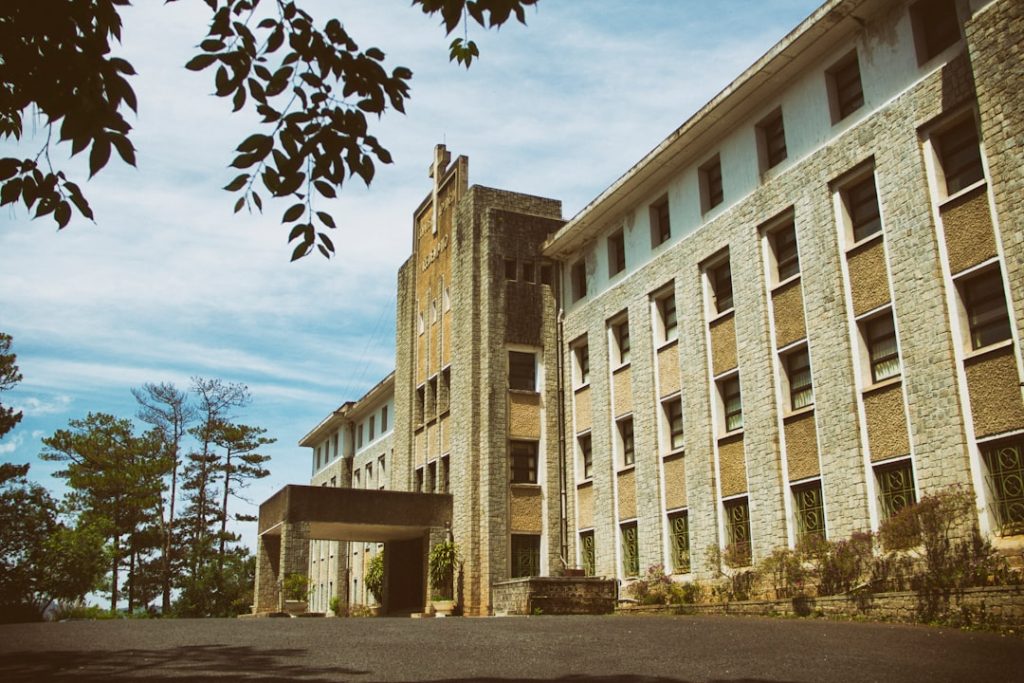
Historically Black Colleges and Universities (HBCUs) are institutions of higher education established primarily to serve the African American community. Founded during a time when access to quality education was severely restricted for Black individuals, HBCUs have played a pivotal role in shaping the educational landscape in the United States. The first HBCU, Cheyney University of Pennsylvania, was established in 1837, and since then, these institutions have grown in number and significance.
Today, there are over 100 HBCUs across the country, each contributing uniquely to the academic and cultural fabric of American society. HBCUs are not just educational institutions; they are cultural havens that celebrate Black history, heritage, and identity. They provide a nurturing environment where students can thrive academically while also engaging with their cultural roots.

The mission of HBCUs extends beyond mere education; they aim to empower students to become leaders in their communities and advocates for social justice. This commitment to fostering a sense of belonging and purpose is what sets HBCUs apart from other institutions of higher learning.
Key Takeaways
- HBCU colleges have a rich history of fostering academic excellence and empowering Black students.
- These institutions have played a crucial role in advancing civil rights and social justice.
- HBCUs contribute significantly to community development and leadership cultivation.
- Notable alumni from HBCUs have made impactful contributions across various fields.
- Despite challenges, HBCUs continue to innovate and shape the future of higher education.
Historical Impact of HBCU Colleges

The historical significance of HBCUs cannot be overstated. Established in the wake of the Civil War and during the Reconstruction era, these institutions emerged as a response to the systemic exclusion of Black individuals from mainstream educational opportunities. HBCUs were instrumental in providing access to higher education at a time when segregation laws barred African Americans from attending predominantly white institutions.
They became sanctuaries for intellectual growth and social advancement, producing generations of leaders who would go on to challenge the status quo. One of the most notable impacts of HBCUs is their role in the Civil Rights Movement. Many HBCUs served as breeding grounds for activism and social change, with students participating in protests, sit-ins, and other forms of civil disobedience.
Institutions like Howard University and Fisk University were pivotal in organizing efforts that led to landmark legislation such as the Civil Rights Act of 1964 and the Voting Rights Act of 1965. The legacy of these colleges is deeply intertwined with the struggle for equality, making them not only centers of learning but also catalysts for social transformation.
Academic Excellence at HBCU Colleges
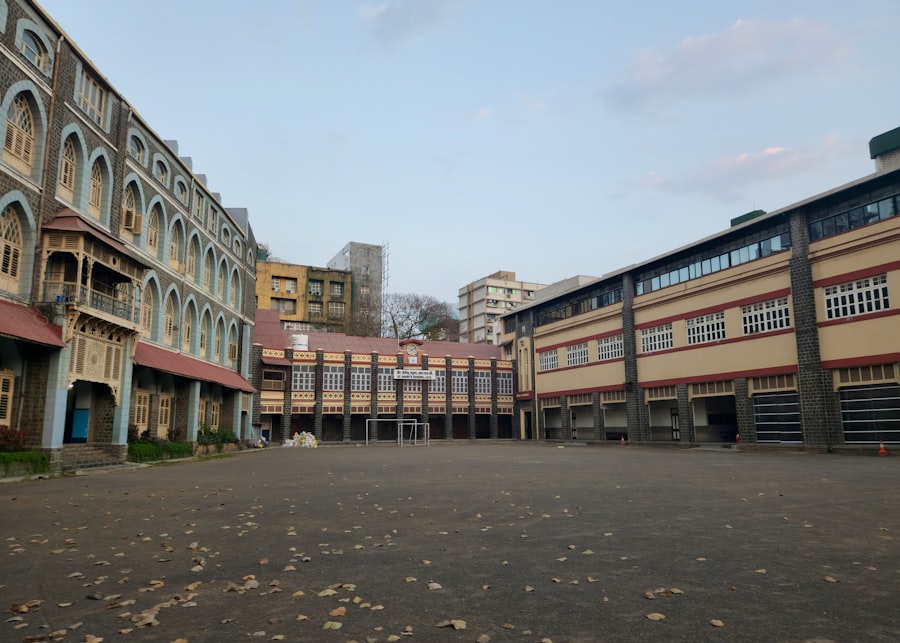
HBCUs have consistently demonstrated a commitment to academic excellence, producing a significant number of graduates who excel in various fields. These institutions often emphasize a holistic approach to education, focusing not only on academic rigor but also on personal development and community engagement. Many HBCUs offer specialized programs that cater to the unique needs and aspirations of their students, fostering an environment where academic achievement is celebrated and supported.
For instance, Spelman College, an all-female HBCU in Atlanta, Georgia, is renowned for its strong emphasis on liberal arts education and leadership development. The college has produced numerous influential women in various sectors, including politics, business, and the arts. Similarly, Morehouse College has gained recognition for its focus on developing men of character and integrity, with a curriculum designed to prepare students for leadership roles in society.
The academic programs at HBCUs are often tailored to address the specific challenges faced by African American students, ensuring that they receive an education that is both relevant and empowering.
Empowering Student Success at HBCU Colleges
| Metric | HBCU Colleges | National Average | Notes |
|---|---|---|---|
| Graduation Rate (6-year) | 45% | 62% | HBCUs have been improving graduation rates steadily. |
| Student Retention Rate (1-year) | 78% | 81% | Retention rates are close to national averages. |
| Percentage of Pell Grant Recipients | 65% | 35% | HBCUs serve a higher proportion of low-income students. |
| Student-Faculty Ratio | 14:1 | 16:1 | Smaller class sizes support personalized learning. |
| Post-Graduation Employment Rate (within 6 months) | 85% | 88% | Employment rates are competitive with national averages. |
| Percentage of STEM Graduates | 28% | 22% | HBCUs contribute significantly to STEM fields. |
| Average Student Loan Debt at Graduation | 22,000 | 30,000 | Lower average debt burden for HBCU graduates. |
HBCUs are dedicated to empowering their students not just academically but also personally and professionally. Many institutions provide robust support systems designed to help students navigate their educational journeys successfully. This includes mentorship programs, career counseling services, and networking opportunities that connect students with alumni and industry professionals.
Such initiatives are crucial in helping students build confidence and develop the skills necessary for success in their chosen fields. Moreover, HBCUs often foster a strong sense of community among their students. The close-knit environment encourages collaboration and support among peers, which can be particularly beneficial for first-generation college students who may lack familial experience with higher education.
Events such as career fairs, workshops, and cultural celebrations create opportunities for students to engage with one another and build lasting relationships that extend beyond graduation. This sense of belonging is vital for student retention and success, as it helps individuals feel valued and supported throughout their academic journey.
The Role of HBCU Colleges in Community Empowerment
Beyond their educational mission, HBCUs play a crucial role in community empowerment. These institutions often serve as vital resources for their local communities, offering programs and services that address social issues such as health disparities, economic inequality, and educational access. Many HBCUs engage in outreach initiatives that provide tutoring, mentoring, and other forms of support to K-12 students in their areas, helping to bridge the educational gap that exists for many underprivileged youth.
Additionally, HBCUs frequently collaborate with local organizations to promote economic development and social justice initiatives. For example, some institutions have established partnerships with businesses to create internship opportunities for students while simultaneously addressing workforce needs in their communities. By fostering these connections, HBCUs not only enhance the educational experience for their students but also contribute to the overall well-being of the communities they serve.
Notable Alumni and Their Contributions to Society

The impact of HBCUs is perhaps best illustrated through the achievements of their alumni. Graduates from these institutions have made significant contributions across various fields, including politics, science, arts, and business. For instance, Kamala Harris, the first female Vice President of the United States, is a proud graduate of Howard University.
Her ascent to one of the highest offices in the nation exemplifies the potential that HBCU graduates possess when given access to quality education. Another notable alumnus is Dr. Mae Jemison, who made history as the first African American woman in space.
A graduate of Stanford University and an alumna of Dillard University, Dr. Jemison’s journey underscores the importance of representation in STEM fields. Her work has inspired countless young women of color to pursue careers in science and technology.
These examples highlight how HBCUs have not only shaped individual lives but have also contributed to broader societal progress by empowering leaders who advocate for change.
Challenges and Opportunities for HBCU Colleges
Despite their rich history and significant contributions to society, HBCUs face numerous challenges that threaten their sustainability and growth. One major issue is funding disparities; many HBCUs struggle with limited financial resources compared to predominantly white institutions (PWIs). This funding gap can affect everything from faculty salaries to campus facilities and student support services.
As a result, some HBCUs have had to make difficult decisions regarding program offerings or infrastructure improvements. However, these challenges also present opportunities for innovation and growth. In recent years, there has been a renewed interest in supporting HBCUs from both public and private sectors.
Increased philanthropic efforts aimed at bolstering these institutions have emerged alongside federal initiatives designed to enhance funding for historically Black colleges. Additionally, many HBCUs are leveraging technology to expand their reach through online programs and partnerships with other educational institutions. By embracing these opportunities, HBCUs can continue to thrive while remaining true to their mission of serving African American students.
The Future of HBCU Colleges and Their Impact on Higher Education
Looking ahead, the future of HBCUs appears promising as they adapt to changing educational landscapes while maintaining their core values. The increasing recognition of the importance of diversity in higher education has led many institutions to reevaluate their recruitment strategies and outreach efforts. As more students seek inclusive environments that celebrate their identities, HBCUs are well-positioned to attract a diverse student body that values cultural heritage alongside academic excellence.
Moreover, as society grapples with issues such as systemic racism and social inequality, HBCUs will continue to play a vital role in shaping conversations around equity and justice in education. Their commitment to producing socially conscious leaders will be essential in addressing contemporary challenges faced by marginalized communities. By fostering an environment that prioritizes both academic achievement and social responsibility, HBCUs will remain integral players in the broader landscape of higher education for years to come.
In conclusion, HBCUs stand as pillars of strength within the educational system, embodying resilience and commitment to excellence despite historical challenges. Their impact extends far beyond academia; they are vital agents of change within society at large. As they navigate the complexities of modern education while honoring their rich legacies, HBCUs will undoubtedly continue to inspire future generations toward greatness.
