

Engaging teaching methods are crucial in fostering an effective learning environment. When educators employ strategies that capture students’ attention and stimulate their interest, they create a dynamic atmosphere conducive to learning. Traditional lecture-based approaches often fail to engage students, leading to disinterest and disengagement.
In contrast, engaging methods encourage active participation, critical thinking, and a deeper understanding of the material. For instance, when teachers incorporate storytelling or real-life scenarios into their lessons, they can make abstract concepts more relatable and memorable. This not only enhances retention but also encourages students to connect the dots between theoretical knowledge and practical application.

Moreover, engaging teaching methods cater to diverse learning preferences, ensuring that all students have the opportunity to thrive. By incorporating a variety of instructional strategies—such as group discussions, interactive demonstrations, and multimedia presentations—educators can address the unique needs of each learner. This approach not only promotes inclusivity but also fosters a sense of belonging among students.
When learners feel valued and understood, they are more likely to participate actively in their education. Engaging teaching methods thus serve as a bridge between educators and students, facilitating a collaborative learning experience that empowers individuals to take ownership of their educational journey.
Key Takeaways
- Engaging teaching methods enhance student motivation and understanding.
- Hands-on activities promote active learning and skill development.
- Technology integration supports interactive and personalized education.
- Student participation and collaboration foster deeper comprehension and teamwork.
- Adapting to diverse learning styles ensures inclusive and effective instruction.

Incorporating Hands-On Learning Activities
Hands-on learning activities are instrumental in transforming theoretical knowledge into practical skills. These activities allow students to engage directly with the material, fostering a deeper understanding through experiential learning. For example, in a science class, rather than merely reading about chemical reactions, students can conduct experiments that illustrate these concepts in action.
This tactile approach not only reinforces theoretical knowledge but also cultivates critical thinking and problem-solving skills as students navigate the challenges of real-world applications. Furthermore, hands-on activities can significantly enhance student motivation and enthusiasm for learning. When students are actively involved in their education, they are more likely to retain information and develop a genuine interest in the subject matter.
For instance, in a history class, students might participate in role-playing exercises that allow them to embody historical figures or events. This immersive experience can spark curiosity and encourage further exploration of the topic. By integrating hands-on learning activities into the curriculum, educators can create a vibrant classroom environment where students are excited to learn and explore.
Utilizing Technology in the Classroom
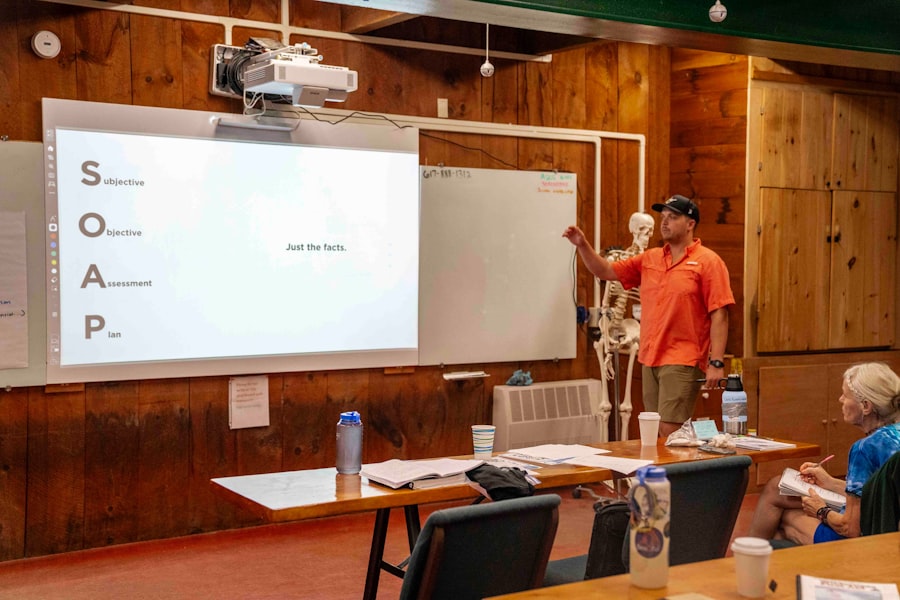
The integration of technology in the classroom has revolutionized the educational landscape, offering innovative tools that enhance teaching and learning experiences. Digital resources such as interactive whiteboards, educational software, and online platforms provide educators with new avenues for delivering content and engaging students. For instance, using virtual simulations in a biology class allows students to explore complex systems that would be difficult to replicate in a traditional setting.
This not only enriches their understanding but also prepares them for a technology-driven world. Moreover, technology facilitates personalized learning experiences tailored to individual student needs. With adaptive learning software, educators can assess student progress in real-time and adjust instruction accordingly.
This level of customization ensures that each learner receives the support they need to succeed. Additionally, online collaboration tools enable students to work together on projects regardless of geographical barriers, fostering teamwork and communication skills essential for the modern workforce. By embracing technology in the classroom, educators can create an engaging and responsive learning environment that meets the diverse needs of their students.
Encouraging Student Participation and Collaboration
| Metric | Description | Measurement Method | Target Value |
|---|---|---|---|
| Student Participation Rate | Percentage of students actively contributing during class activities | Observation and participation logs | 75% or higher |
| Group Collaboration Frequency | Number of group activities completed per month | Teacher records and activity reports | At least 4 group activities |
| Peer Feedback Instances | Number of times students provide constructive feedback to peers | Peer review forms and teacher observation | Minimum 2 per student per month |
| Student Engagement Score | Average score from student surveys on engagement and collaboration | Anonymous student surveys | 4 out of 5 or higher |
| Collaborative Project Completion Rate | Percentage of group projects completed on time | Project submission records | 90% or higher |
| Use of Collaborative Tools | Frequency of using tools like shared documents, forums, or chat | Tool usage analytics | Weekly usage by 80% of students |
Encouraging student participation is vital for creating an interactive classroom atmosphere where learners feel empowered to express their ideas and opinions. When students are actively involved in discussions and activities, they develop critical thinking skills and gain confidence in their abilities. Techniques such as think-pair-share or small group discussions can facilitate this engagement by allowing students to collaborate with their peers before sharing their thoughts with the larger class.
This not only promotes active learning but also helps students learn from one another’s perspectives. Collaboration among students is equally important in fostering a sense of community within the classroom. Group projects or cooperative learning activities encourage teamwork and communication skills while allowing students to take on different roles within a group setting.
For example, in a literature class, students might work together to analyze a text, with each member responsible for exploring different themes or characters. This collaborative approach not only deepens their understanding of the material but also teaches them valuable interpersonal skills that will serve them well beyond the classroom.
Implementing Real-World Examples and Applications
Integrating real-world examples into lessons is an effective way to bridge the gap between theory and practice. When educators draw connections between academic content and real-life situations, they help students understand the relevance of what they are learning. For instance, in a mathematics class, teachers might use budgeting scenarios to illustrate concepts such as percentages or ratios.
By applying mathematical principles to everyday financial decisions, students can see the practical implications of their studies. Additionally, real-world applications can inspire students to think critically about societal issues and challenges. In a social studies class, discussing current events or historical case studies allows learners to analyze complex situations and consider various perspectives.
This not only enhances their analytical skills but also encourages civic engagement and social responsibility. By implementing real-world examples into their teaching practices, educators can create meaningful learning experiences that resonate with students on a personal level.
Providing Constructive Feedback and Support
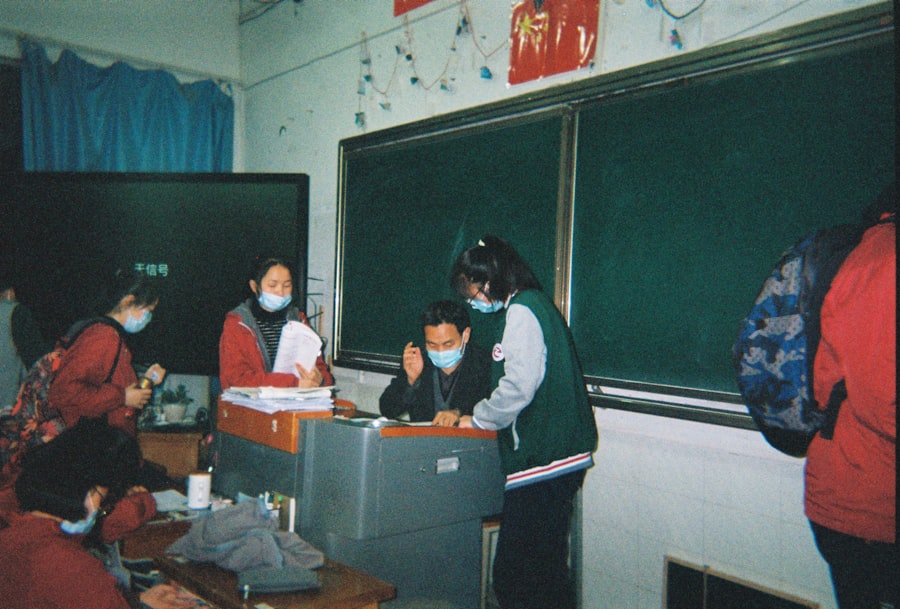
Constructive feedback is essential for student growth and development. It provides learners with specific insights into their performance, helping them identify areas for improvement while also recognizing their strengths. Effective feedback should be timely, clear, and actionable, allowing students to understand how they can enhance their skills or knowledge.
For example, rather than simply marking an essay as “good” or “needs improvement,” educators can provide detailed comments on structure, argumentation, and evidence used in the writing. This targeted feedback empowers students to take ownership of their learning process. In addition to feedback on assignments, ongoing support is crucial for fostering a positive learning environment.
Educators should be approachable and available for one-on-one discussions with students who may need additional assistance or guidance. This support can take many forms—tutoring sessions, office hours, or even informal check-ins during class time. By creating an atmosphere where students feel comfortable seeking help, educators can ensure that all learners have access to the resources they need to succeed academically.
Creating a Positive and Inclusive Learning Environment
A positive and inclusive learning environment is foundational for effective teaching and learning. When students feel safe, respected, and valued within the classroom, they are more likely to engage actively in their education. Educators play a pivotal role in establishing this environment by promoting respect for diversity and encouraging open dialogue among students.
Implementing classroom norms that celebrate differences—whether cultural, linguistic, or cognitive—can foster a sense of belonging among all learners. Moreover, creating an inclusive environment involves recognizing and addressing potential barriers to participation. Educators should be mindful of varying abilities and backgrounds within their classrooms and strive to provide equitable opportunities for all students.
This may involve differentiating instruction or providing additional resources for those who may need extra support. By prioritizing inclusivity and positivity in their teaching practices, educators can cultivate a classroom culture where every student feels empowered to contribute and succeed.
Adapting Teaching Methods to Different Learning Styles
Recognizing that students have diverse learning styles is essential for effective teaching. Some learners may thrive in visual environments where diagrams and videos enhance their understanding, while others may prefer auditory methods that involve discussion or lectures. Kinesthetic learners often benefit from hands-on activities that allow them to engage physically with the material.
By adapting teaching methods to accommodate these varying styles, educators can ensure that all students have access to meaningful learning experiences. To effectively address different learning styles, educators can employ a range of instructional strategies within their lessons. For instance, incorporating visual aids such as infographics or charts alongside verbal explanations can cater to both visual and auditory learners simultaneously.
Additionally, providing opportunities for movement—such as group activities or interactive stations—can engage kinesthetic learners while reinforcing key concepts for all students. By embracing diverse teaching methods tailored to individual learning preferences, educators can create an inclusive classroom environment that maximizes student engagement and success.
