

The right to education is a fundamental human right recognized by various international treaties and declarations, including the Universal Declaration of Human Rights (1948) and the Convention on the Rights of the Child (1989). This right asserts that every individual, regardless of their background, should have access to quality education without discrimination. Education is not merely a means to acquire knowledge; it is a powerful tool for personal development, social mobility, and economic growth.
It empowers individuals to make informed choices, participate actively in society, and contribute to their communities. The recognition of education as a right underscores its importance in fostering equality and promoting social justice. Despite the global acknowledgment of the right to education, millions of children and adults still face significant barriers that prevent them from accessing educational opportunities.

The disparities in educational access are often rooted in socio-economic factors, geographical location, gender, and cultural norms. In many parts of the world, particularly in developing countries, education is viewed as a privilege rather than a right. This perspective perpetuates cycles of poverty and inequality, as those who are denied education are often unable to break free from their circumstances.
The challenge lies not only in ensuring that education is available but also in making it accessible, equitable, and relevant to the needs of diverse populations.
Key Takeaways
- The right to education is fundamental but faces multiple access barriers worldwide.
- Government policies and initiatives play a crucial role in expanding educational opportunities.
- Non-governmental organizations significantly contribute to bridging gaps in education access.
- Addressing social, cultural, and economic inequalities is essential for inclusive education.
- Ensuring quality education for all requires overcoming systemic challenges and promoting universal standards.

Barriers to Accessing Education
Barriers to accessing education can be categorized into several key areas: economic, geographical, social, and political. Economic barriers are perhaps the most significant impediments to education. In many low-income families, the cost of schooling—such as tuition fees, uniforms, books, and transportation—can be prohibitively expensive.
As a result, families may prioritize immediate financial needs over long-term educational benefits, leading to high dropout rates and low enrollment figures. For instance, in sub-Saharan Africa, it is estimated that over 30 million children are out of school due to financial constraints. Geographical barriers also play a crucial role in limiting access to education.
In rural areas, schools may be few and far between, requiring children to travel long distances to attend classes. This situation is exacerbated by inadequate infrastructure, such as poor roads and lack of transportation options. In some regions, natural disasters or conflict can further disrupt educational access by damaging schools or displacing communities.
For example, during the Syrian civil war, millions of children were forced out of school due to violence and instability, leading to a generation at risk of losing their educational opportunities. Social barriers encompass cultural attitudes and norms that can hinder educational access, particularly for marginalized groups such as girls and ethnic minorities. In some cultures, traditional beliefs may prioritize early marriage or labor over education for girls, resulting in lower enrollment rates and higher dropout rates among female students.
Additionally, children from minority ethnic backgrounds may face discrimination within educational systems that do not recognize or respect their languages and cultures. This lack of inclusivity can lead to feelings of alienation and disengagement from the learning process. Political barriers can also impede access to education.
In many countries, inadequate government policies or lack of political will can result in insufficient funding for education systems. Corruption and mismanagement can further exacerbate these issues, diverting resources away from schools and teachers. In some cases, political instability or conflict can lead to the closure of schools or the targeting of educational institutions by armed groups.
The impact of such political dynamics can be devastating for communities striving for educational advancement.
Government Policies and Initiatives
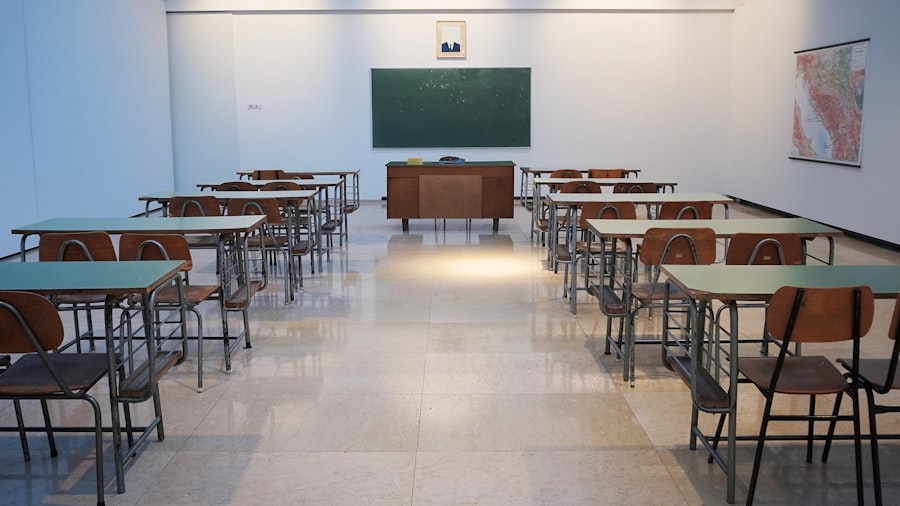
Governments play a pivotal role in shaping educational landscapes through policies and initiatives aimed at promoting access to education. Many countries have adopted national education policies that align with international commitments to ensure that every child has the right to education. These policies often include provisions for free primary education, which has been a significant step toward increasing enrollment rates.
For instance, countries like Kenya and Uganda have implemented free primary education policies that have led to substantial increases in school attendance. In addition to free education initiatives, governments are increasingly recognizing the importance of inclusive education policies that cater to diverse populations. This includes efforts to integrate children with disabilities into mainstream schools and provide support services tailored to their needs.
For example, Brazil has made strides in inclusive education by implementing policies that promote accessibility in schools and training teachers to work with students with special needs. Such initiatives not only enhance educational access but also foster a more inclusive society where all individuals are valued. Moreover, governments are increasingly leveraging technology to enhance educational access and quality.
The rise of digital learning platforms has opened new avenues for reaching underserved populations, particularly in remote areas where traditional schooling may be limited. Initiatives such as online learning programs and mobile classrooms have been implemented in various countries to bridge the gap between urban and rural education. For instance, India’s Digital India initiative aims to provide digital infrastructure and resources to schools across the country, enabling students in remote areas to access quality educational materials.
However, while government policies are essential for promoting educational access, their effectiveness often hinges on adequate funding and implementation. Many countries struggle with budget constraints that limit their ability to invest in education adequately. Additionally, political instability can disrupt the continuity of educational programs and initiatives.
Therefore, it is crucial for governments to prioritize education in their national agendas and allocate sufficient resources to ensure that all children have access to quality learning opportunities.
Role of Non-Governmental Organizations
| Role of NGOs | Description | Example Metrics | Impact Measurement |
|---|---|---|---|
| Advocacy | Promoting social, environmental, or political causes | Number of campaigns run, policy changes influenced | Legislative changes, public awareness levels |
| Service Delivery | Providing health, education, and social services | Number of beneficiaries served, services delivered | Improvement in health/education indicators |
| Capacity Building | Training and empowering communities and local organizations | Number of training sessions, participants trained | Skills improvement, increased local leadership |
| Human Rights Monitoring | Documenting and reporting human rights abuses | Reports published, cases documented | Policy reforms, increased accountability |
| Disaster Relief | Providing emergency aid and rehabilitation | Number of people assisted, relief materials distributed | Speed of response, recovery rates |
Non-governmental organizations (NGOs) play a vital role in complementing government efforts to improve access to education worldwide. These organizations often operate at grassroots levels, addressing specific local needs and challenges that may not be adequately met by government initiatives. NGOs can mobilize resources, expertise, and community support to implement innovative educational programs tailored to the unique contexts of different regions.
One notable example is the work of organizations like Save the Children and UNICEF, which focus on providing educational opportunities for marginalized children in conflict-affected areas. These organizations often establish temporary learning spaces or provide psychosocial support alongside educational resources to help children cope with trauma while continuing their studies. In countries like Yemen and Afghanistan, where conflict has severely disrupted traditional schooling systems, NGOs have been instrumental in ensuring that children continue to learn despite challenging circumstances.
Additionally, NGOs often advocate for policy changes at national and international levels to promote educational equity and access. They raise awareness about the barriers faced by marginalized groups and push for reforms that address these issues. For instance, organizations like Global Partnership for Education work with governments and stakeholders to mobilize funding for education initiatives in low-income countries.
By fostering partnerships between governments, civil society, and the private sector, NGOs contribute significantly to creating sustainable solutions for educational challenges. Furthermore, NGOs frequently engage in capacity-building efforts by training teachers and community members on effective teaching methodologies and inclusive practices. This approach not only enhances the quality of education but also empowers local communities to take ownership of their educational systems.
By equipping individuals with the skills needed to support learning initiatives, NGOs help create a more resilient educational ecosystem that can adapt to changing circumstances.
Addressing Inequality in Education
Inequality in education remains a pressing global issue that requires concerted efforts from governments, NGOs, and communities alike. Disparities in access to quality education often reflect broader social inequalities related to gender, socio-economic status, ethnicity, and geography. Addressing these inequalities necessitates targeted interventions that focus on the most marginalized populations.
One effective strategy for addressing educational inequality is implementing affirmative action policies that prioritize access for disadvantaged groups. For example, many countries have introduced scholarship programs specifically designed for girls or children from low-income families. These initiatives aim to reduce financial barriers and encourage enrollment among those who might otherwise be excluded from educational opportunities.
In Bangladesh, the Female Secondary School Stipend Program has successfully increased girls’ enrollment rates by providing financial incentives for families who keep their daughters in school. Another critical aspect of addressing inequality is ensuring that educational content is relevant and culturally sensitive. Curricula that reflect the diverse backgrounds and experiences of students can foster a sense of belonging and engagement within the classroom.
For instance, incorporating indigenous knowledge and languages into school curricula can empower minority students while promoting cultural preservation. Countries like New Zealand have made significant strides in integrating Māori culture into their education system, resulting in improved outcomes for Māori students. Moreover, community involvement is essential for addressing educational inequality effectively.
Engaging parents and local leaders in decision-making processes can help ensure that educational programs are responsive to community needs. Initiatives that promote parental involvement in schools have been shown to enhance student achievement and foster a supportive learning environment. For example, programs that encourage parents to participate in school governance or volunteer in classrooms can strengthen the connection between home and school while promoting accountability within the education system.
Ensuring Quality Education for All

While access to education is crucial, ensuring quality education is equally important for fostering meaningful learning experiences. Quality education encompasses various dimensions, including trained teachers, relevant curricula, adequate resources, and supportive learning environments. Without these elements in place, merely increasing enrollment rates may not lead to improved educational outcomes.
Teacher training is a fundamental component of quality education. Well-trained educators possess the skills necessary to engage students effectively and adapt their teaching methods to meet diverse learning needs. Countries like Finland have gained international recognition for their emphasis on teacher training and professional development as key factors contributing to high educational standards.
By investing in ongoing training programs for teachers, nations can enhance instructional quality while fostering a culture of continuous improvement within schools. Curriculum relevance is another critical aspect of ensuring quality education. Educational content should not only align with national standards but also reflect the interests and aspirations of students.
Incorporating practical skills training alongside traditional academic subjects can better prepare students for future employment opportunities. For instance, vocational training programs that provide hands-on experience in various trades can empower young people with skills directly applicable in the job market. Furthermore, creating supportive learning environments is essential for fostering student engagement and success.
Schools should be safe spaces where students feel valued and respected regardless of their backgrounds. Implementing anti-bullying policies and promoting social-emotional learning can contribute significantly to creating positive school climates conducive to learning. Additionally, providing access to mental health resources can support students facing challenges outside the classroom that may impact their academic performance.
Overcoming Cultural and Social Norms
Cultural and social norms significantly influence attitudes toward education and can either facilitate or hinder access for certain groups within society. In many cultures, traditional beliefs about gender roles or family responsibilities may prioritize other activities over formal schooling—particularly for girls or marginalized communities. Overcoming these entrenched norms requires comprehensive strategies that engage communities in dialogue about the value of education.
Community awareness campaigns can play a pivotal role in challenging harmful stereotypes and promoting positive attitudes toward education. By highlighting success stories of individuals who have benefited from education—especially women who have achieved significant milestones—communities can begin to shift perceptions about the importance of schooling for all children regardless of gender or background. Programs that involve local leaders or influencers can amplify these messages effectively within communities.
Additionally, involving parents in discussions about their children’s education can help address cultural barriers directly at home. Workshops or informational sessions that educate parents about the long-term benefits of schooling can encourage them to prioritize their children’s education over traditional expectations or labor contributions at home. For example, initiatives that showcase how educated women contribute positively to their families’ economic well-being can motivate parents to support their daughters’ schooling.
Moreover, collaboration with local organizations familiar with cultural contexts can enhance efforts aimed at changing social norms surrounding education. By working alongside community members who understand local dynamics—such as religious leaders or respected elders—initiatives can be tailored more effectively while respecting cultural sensitivities.
Moving Towards Universal Education
The journey toward universal education is fraught with challenges but remains an achievable goal through collective action from governments, NGOs, communities, and individuals alike. Addressing barriers such as economic constraints, geographical isolation, social norms, and political instability requires comprehensive strategies tailored to specific contexts while prioritizing inclusivity at every level. As we move forward into an increasingly interconnected world where knowledge drives progress across sectors—from technology innovation to sustainable development—the imperative for universal access becomes even more pronounced than ever before; it is not merely an ethical obligation but also essential for fostering global citizenship among future generations capable of addressing complex challenges collaboratively.
By prioritizing quality alongside accessibility—ensuring that every child receives an enriching educational experience—we lay down foundations upon which societies thrive economically socially culturally sustainably; thus paving pathways toward brighter futures filled with opportunities limitless potential awaiting realization through empowered minds equipped knowledge skills necessary navigate complexities life ahead!
