
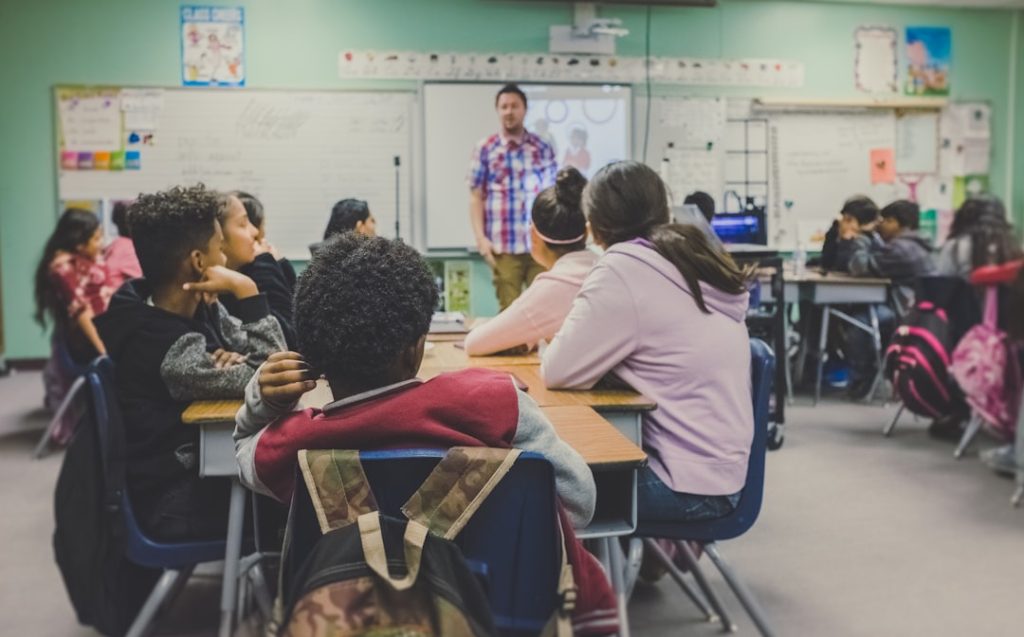
A master teacher embodies the pinnacle of educational expertise, serving as a beacon of knowledge and inspiration within the academic community. These educators possess not only a deep understanding of their subject matter but also an innate ability to connect with students on multiple levels. Their influence extends beyond the classroom, shaping the educational landscape and impacting the lives of countless learners.
A master teacher is often characterized by their commitment to excellence, innovative teaching methods, and a profound understanding of student needs. They are the catalysts for change, driving educational reform and inspiring both students and fellow educators to strive for greatness. The significance of a master teacher cannot be overstated.

Research consistently shows that effective teaching is one of the most critical factors influencing student achievement. A master teacher’s ability to engage students, differentiate instruction, and foster a growth mindset can lead to remarkable improvements in academic performance. Moreover, these educators often take on mentorship roles, guiding novice teachers and sharing best practices that elevate the entire teaching profession.
Their dedication to lifelong learning and professional growth sets a standard for others, creating a culture of excellence that permeates the school environment.
Key Takeaways
- Master teachers play a crucial role in shaping student success and inspiring lifelong learning.
- Essential skills include communication, adaptability, and deep subject knowledge.
- Creating an inclusive classroom fosters respect, engagement, and a positive learning atmosphere.
- Effective classroom management strategies enhance student focus and minimize disruptions.
- Integrating technology supports interactive learning and helps develop critical thinking skills.

Essential Skills for Mastering the Art of Education
Mastering the art of education requires a diverse set of skills that extend beyond mere content knowledge. One of the most crucial skills is effective communication. A master teacher must be able to convey complex ideas in a manner that is accessible and engaging for students of varying abilities.
This involves not only verbal communication but also non-verbal cues, active listening, and the ability to adapt language and tone to suit different audiences. By fostering open lines of communication, master teachers create an environment where students feel comfortable expressing their thoughts and questions. In addition to communication, adaptability is another essential skill for master teachers.
The educational landscape is constantly evolving, influenced by changes in curriculum standards, technology, and societal needs. A master teacher must be flexible enough to adjust their teaching strategies in response to these changes while remaining focused on student outcomes. This adaptability also extends to recognizing and addressing the diverse learning styles and needs of students.
By employing a variety of instructional methods—such as collaborative learning, hands-on activities, and technology integration—master teachers can ensure that all students have the opportunity to succeed.
Creating a Positive and Inclusive Classroom Environment

A positive and inclusive classroom environment is foundational to effective teaching and learning. Master teachers understand that fostering a sense of belonging among students is essential for their emotional and academic well-being. This involves creating a safe space where students feel valued, respected, and empowered to share their ideas without fear of judgment.
Strategies such as establishing clear expectations, promoting mutual respect, and celebrating diversity contribute to an inclusive atmosphere where every student can thrive. Moreover, master teachers actively work to build strong relationships with their students. They take the time to learn about each student’s background, interests, and challenges, which allows them to tailor their approach to meet individual needs.
By incorporating culturally relevant materials and perspectives into their lessons, master teachers not only validate students’ experiences but also enrich the learning process for all. This commitment to inclusivity fosters a sense of community within the classroom, encouraging collaboration and peer support that enhances the overall educational experience.
Effective Classroom Management Strategies
| Strategy | Description | Key Benefits | Implementation Tips |
|---|---|---|---|
| Clear Expectations | Setting and communicating rules and procedures at the start. | Reduces confusion, promotes consistency, and encourages positive behavior. | Post rules visibly; review regularly; involve students in rule creation. |
| Positive Reinforcement | Recognizing and rewarding desired behaviors. | Increases motivation and encourages repetition of good behavior. | Use praise, tokens, or privileges; be specific and timely. |
| Proactive Classroom Arrangement | Organizing seating and materials to minimize distractions. | Enhances focus and facilitates teacher supervision. | Arrange seats for visibility; keep materials accessible; create clear pathways. |
| Consistent Routines | Establishing daily procedures for common activities. | Builds student confidence and reduces downtime. | Practice routines; use visual schedules; reinforce regularly. |
| Effective Communication | Using clear, respectful, and age-appropriate language. | Improves understanding and reduces conflicts. | Use active listening; maintain eye contact; give concise instructions. |
| Engaging Instruction | Designing lessons that capture student interest. | Reduces off-task behavior and increases participation. | Incorporate varied activities; relate content to real life; use multimedia. |
| Immediate Feedback | Providing prompt responses to student behavior or work. | Helps students correct mistakes and reinforces learning. | Be specific; balance positive and corrective feedback; avoid delays. |
| Conflict Resolution Skills | Teaching students how to manage disagreements constructively. | Promotes a positive classroom climate and social skills. | Model respectful dialogue; role-play scenarios; establish peer mediation. |
Classroom management is a critical component of successful teaching, and master teachers excel in this area by employing a variety of effective strategies. One key aspect of classroom management is establishing clear rules and routines from the outset. By setting expectations for behavior and academic performance, master teachers create a structured environment that minimizes disruptions and maximizes learning time.
Consistency in enforcing these rules is vital; students thrive when they know what is expected of them and understand the consequences of their actions. In addition to establishing rules, master teachers utilize proactive strategies to prevent behavioral issues before they arise. This may include engaging students with dynamic lessons that capture their interest or implementing collaborative group work that fosters teamwork and accountability.
When students are actively involved in their learning, they are less likely to engage in off-task behavior. Furthermore, master teachers are adept at recognizing early signs of disengagement or frustration among students, allowing them to intervene promptly with support or redirection.
The Role of Technology in Education
In today’s digital age, technology plays an increasingly vital role in education, and master teachers are at the forefront of integrating these tools into their classrooms. They recognize that technology can enhance learning experiences by providing access to a wealth of resources and opportunities for collaboration beyond traditional boundaries. For instance, online platforms enable students to engage with peers from different cultures or geographical locations, broadening their perspectives and fostering global citizenship.
Moreover, master teachers leverage technology to differentiate instruction effectively. With various educational apps and software available, they can tailor learning experiences to meet individual student needs. For example, adaptive learning programs can assess a student’s proficiency level in real-time and adjust content accordingly, ensuring that each learner progresses at their own pace.
By embracing technology as an integral part of their teaching practice, master teachers not only enhance student engagement but also prepare them for success in an increasingly digital world.
Nurturing Critical Thinking and Problem-Solving Skills

Critical thinking and problem-solving skills are essential competencies for success in both academic and real-world contexts. Master teachers prioritize these skills by designing lessons that challenge students to think deeply and analytically about complex issues. Rather than simply memorizing facts or formulas, students are encouraged to explore concepts through inquiry-based learning approaches that promote curiosity and exploration.
For instance, project-based learning allows students to tackle real-world problems by conducting research, collaborating with peers, and presenting their findings. This hands-on approach not only fosters critical thinking but also cultivates essential skills such as communication, teamwork, and creativity. Master teachers understand that nurturing these skills requires patience and guidance; they provide constructive feedback that encourages students to reflect on their thought processes and consider alternative perspectives.
Fostering a Love for Learning
A master teacher’s influence extends far beyond academic achievement; they play a crucial role in fostering a lifelong love for learning among their students. This passion for knowledge is cultivated through engaging lessons that spark curiosity and encourage exploration. Master teachers often incorporate diverse materials—such as literature, art, science experiments, or real-world applications—into their curriculum to make learning relevant and exciting.
Additionally, master teachers model enthusiasm for learning themselves. Their genuine interest in discovering new ideas or exploring different subjects inspires students to adopt a similar mindset. By sharing personal experiences related to learning—whether it be overcoming challenges or celebrating successes—master teachers create an environment where curiosity is valued and exploration is encouraged.
This intrinsic motivation not only enhances academic performance but also instills a sense of agency in students as they take ownership of their educational journeys.
Continuing Education and Professional Development for Teachers
The journey of a master teacher is marked by a commitment to continuous growth and professional development. Recognizing that education is an ever-evolving field, these educators actively seek opportunities to enhance their skills and knowledge through workshops, conferences, and advanced degrees. Engaging in professional development not only keeps them abreast of current trends in pedagogy but also allows them to refine their teaching practices based on research-backed strategies.
Moreover, master teachers often take on leadership roles within their schools or districts by facilitating professional development sessions for colleagues or participating in curriculum development committees. By sharing their expertise with others, they contribute to building a culture of collaboration and innovation within the educational community. This commitment to lifelong learning not only benefits the individual teacher but also has a ripple effect on student outcomes as best practices are disseminated throughout the school environment.
In summary, the role of a master teacher encompasses a wide array of responsibilities that extend beyond traditional teaching methods. Their impact on student achievement, classroom culture, and professional development within the educational community underscores the importance of investing in high-quality educators who are dedicated to fostering excellence in education.