
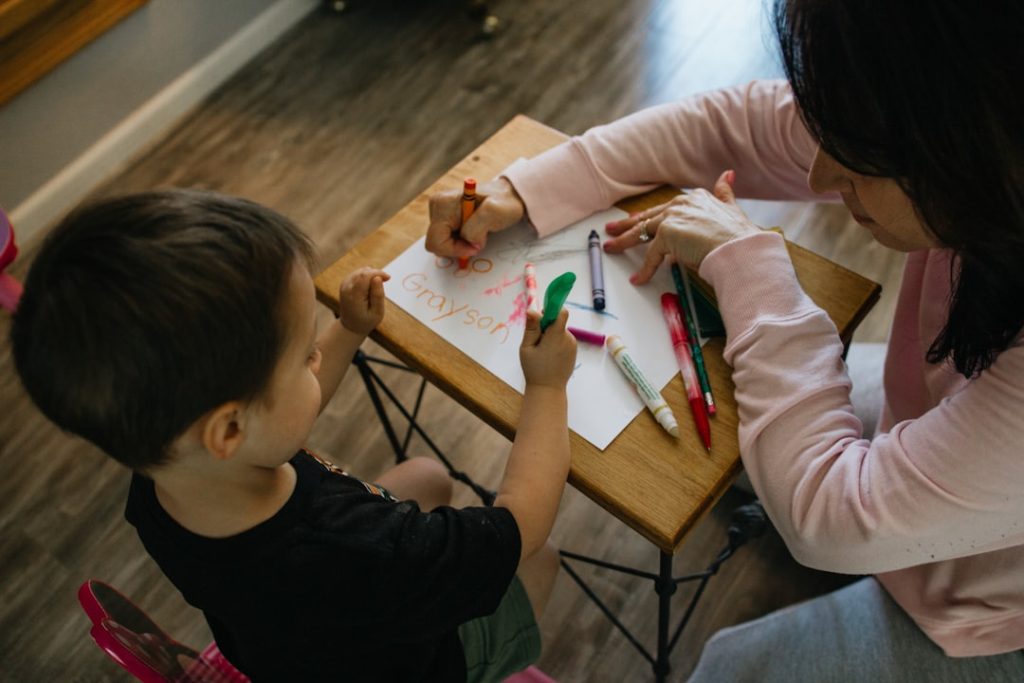
Nursery schools play a pivotal role in the early development of children, serving as a foundational stepping stone for their educational journey. These institutions are designed to cater to the developmental needs of young children, typically ranging from ages two to five. During these formative years, children undergo significant cognitive, social, and emotional growth.
Nursery schools provide an environment that fosters this growth through structured play, guided interactions, and early learning experiences. The importance of nursery schools extends beyond mere childcare; they are instrumental in preparing children for the rigors of formal education by introducing them to basic concepts such as numbers, letters, and social skills. Moreover, nursery schools offer children the opportunity to interact with their peers in a structured setting.

This interaction is crucial for developing social skills such as sharing, cooperation, and conflict resolution. Children learn to navigate relationships outside of their immediate family, which is essential for their emotional intelligence. The experiences gained in nursery school can significantly influence a child’s self-esteem and confidence.
By engaging in group activities and collaborative projects, children learn to express themselves and understand the perspectives of others, laying the groundwork for future interpersonal relationships.
Key Takeaways
- Nursery schools play a crucial role in early childhood development and socialization.
- Research and visit multiple nursery schools to compare their environments and offerings.
- Evaluate each school’s curriculum and teaching methods to ensure they align with your child’s needs.
- Consider practical factors like location, convenience, and safety measures for your child’s well-being.
- Review extracurricular activities and facilities before making a final enrollment decision.

Researching Nursery Schools in Your Area
When it comes to selecting a nursery school, thorough research is essential. Parents should begin by compiling a list of potential schools in their vicinity. This can be achieved through various means, including online searches, community forums, and recommendations from friends or family members.
Websites dedicated to educational resources often provide valuable insights into local nursery schools, including reviews and ratings from other parents. Additionally, local parenting groups on social media platforms can serve as a rich source of information, offering firsthand accounts of experiences at different institutions. Once a preliminary list is established, parents should delve deeper into each school’s philosophy and approach to early childhood education.
Many nursery schools have distinct educational philosophies—some may follow a Montessori approach, while others might adhere to Reggio Emilia or Waldorf principles. Understanding these philosophies can help parents align their values with those of the school. Furthermore, it is beneficial to check if the schools are accredited by recognized organizations, as this can be an indicator of quality and adherence to educational standards.
Visiting Potential Nursery Schools
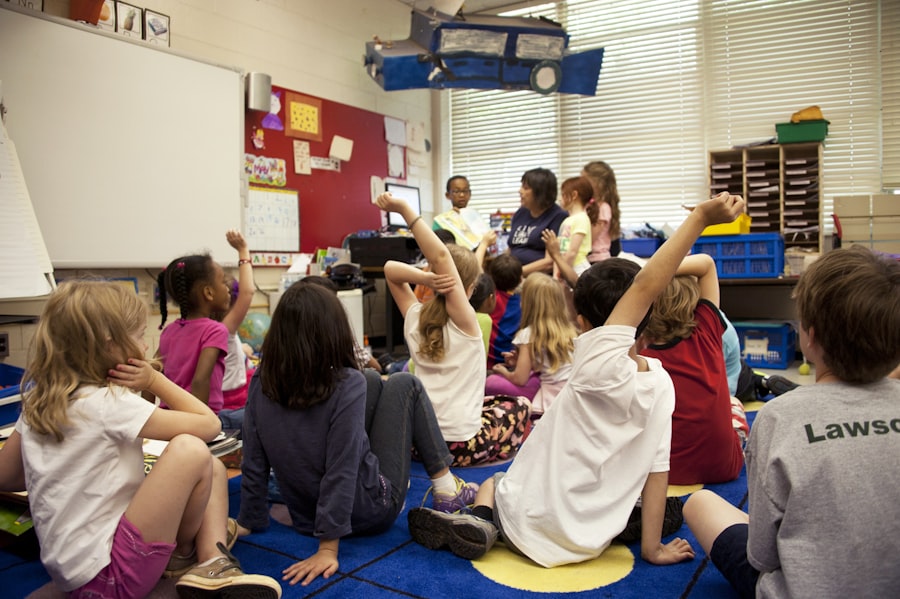
After narrowing down the list of potential nursery schools, the next step involves visiting these institutions. A personal visit provides an invaluable opportunity to observe the environment in which children will be learning and growing. During these visits, parents should pay close attention to the overall atmosphere of the school.
Is it welcoming and nurturing? Are the classrooms bright and engaging? The physical environment plays a significant role in a child’s learning experience; therefore, it is crucial that it feels safe and stimulating.
While visiting, parents should also take note of how staff members interact with the children. Observing teachers in action can provide insights into their teaching styles and how they engage with students. Are they attentive and responsive?
Do they encourage exploration and creativity? Additionally, parents should not hesitate to ask questions during their visit. Inquiring about teacher qualifications, student-to-teacher ratios, and daily routines can help clarify whether a particular nursery school aligns with their expectations and values.
Evaluating Curriculum and Teaching Methods
| Metric | Description | Measurement Method | Example Data |
|---|---|---|---|
| Student Achievement | Assessment of student learning outcomes and mastery of curriculum content | Standardized test scores, quizzes, assignments | Average test score: 85% |
| Engagement Level | Degree of student participation and interest during lessons | Classroom observations, student surveys | 75% of students actively participate |
| Teacher Effectiveness | Quality of instruction and ability to facilitate learning | Peer reviews, student feedback, classroom observations | 4.2/5 average rating |
| Curriculum Alignment | Consistency of curriculum with educational standards and goals | Curriculum mapping, expert review | 90% alignment with state standards |
| Retention Rate | Percentage of students who retain knowledge over time | Follow-up assessments after 1 month | 70% retention after 1 month |
| Adaptability | Ability of teaching methods to accommodate diverse learning styles | Teacher self-assessment, student feedback | 85% of lessons include differentiated instruction |
| Student Satisfaction | Students’ overall satisfaction with curriculum and teaching methods | Surveys, focus groups | 4.0/5 average satisfaction score |
A critical aspect of choosing a nursery school is evaluating its curriculum and teaching methods. Different schools may adopt various approaches to early childhood education, each with its own set of benefits. For instance, a play-based curriculum emphasizes learning through play, allowing children to explore their interests while developing essential skills such as problem-solving and critical thinking.
On the other hand, a more structured curriculum may focus on specific academic skills and readiness for kindergarten. Parents should seek clarity on how the curriculum is designed to meet developmental milestones for young children. It is essential to understand how the school incorporates various learning domains—cognitive, social-emotional, physical, and language development—into its daily activities.
Additionally, parents should inquire about how progress is assessed and communicated. Regular updates on a child’s development can provide reassurance that they are thriving in their educational environment.
Considering Location and Convenience
The location of a nursery school is another crucial factor that parents must consider when making their choice. Proximity to home or work can significantly impact daily routines and logistics. A conveniently located nursery school can ease the stress of drop-offs and pick-ups, allowing parents to maintain a smoother schedule.
Furthermore, considering traffic patterns and commute times can help parents avoid unnecessary delays that could affect their child’s punctuality. In addition to convenience, parents should also evaluate the surrounding neighborhood’s safety and accessibility. A nursery school situated in a safe area with minimal traffic hazards is ideal for ensuring children’s safety during drop-off and pick-up times.
Additionally, schools that offer flexible hours or extended care options may be more appealing for working parents who require additional support outside standard operating hours.
Assessing Safety and Security Measures

Safety is paramount when selecting a nursery school for your child. Parents should thoroughly assess the safety protocols implemented by each institution. This includes examining entry and exit procedures, visitor policies, and emergency preparedness plans.
A secure environment is essential for peace of mind; therefore, schools should have measures in place to ensure that only authorized individuals can access the premises. Furthermore, it is important to inquire about health and safety practices within the school. This includes cleanliness standards, food safety protocols for meal preparation (if applicable), and policies regarding illness or injury management.
Understanding how a nursery school handles emergencies—such as fire drills or lockdown procedures—can provide additional reassurance that the institution prioritizes children’s safety.
Exploring Extracurricular Activities and Facilities
Beyond academics, many nursery schools offer extracurricular activities that enrich children’s experiences and foster holistic development. These activities may include art classes, music lessons, physical education, or even gardening programs. Engaging in such activities allows children to explore their interests outside of traditional learning environments while developing new skills.
Additionally, parents should consider the facilities available at each nursery school. Outdoor play areas are particularly important for young children as they provide opportunities for physical activity and exploration. Well-maintained playgrounds with age-appropriate equipment can enhance children’s gross motor skills while promoting social interaction with peers.
Indoor facilities such as art studios or science labs can also contribute to a well-rounded educational experience.
Making the Final Decision and Enrolling Your Child
After conducting thorough research, visiting potential schools, evaluating curricula, considering location and safety measures, and exploring extracurricular offerings, parents will be well-equipped to make an informed decision regarding their child’s nursery school enrollment. It is essential to reflect on all gathered information and weigh the pros and cons of each option carefully. Once a decision has been made, parents should familiarize themselves with the enrollment process for their chosen nursery school.
This may involve completing application forms, providing necessary documentation such as immunization records or proof of residency, and possibly attending an orientation session for new families. Engaging with the school community early on can help ease the transition for both parents and children as they embark on this new educational journey together.