
Military schools have long been a cornerstone of education for young individuals seeking a unique blend of academic rigor and character development. These institutions are designed not only to impart knowledge but also to instill values such as discipline, respect, and leadership. The concept of military education dates back centuries, with roots in the training of officers for armed forces.
However, modern military schools have evolved to cater to a broader audience, welcoming students from various backgrounds who aspire to achieve personal growth and academic success. The appeal of military schools lies in their structured environment, which is often contrasted with traditional educational settings. Students are immersed in a culture that emphasizes teamwork, accountability, and resilience.

This environment is particularly beneficial for those who may struggle with conventional schooling or who seek a more focused approach to their education. By integrating military principles into everyday learning, these institutions prepare students not only for academic challenges but also for the complexities of life beyond school.
Key Takeaways
- Military schools emphasize strict discipline and structured routines.
- Leadership skills are a core focus, preparing students for future roles.
- Academic programs are rigorous, promoting excellence and achievement.
- Physical fitness and health are integral parts of the curriculum.
- Strong bonds and lifelong friendships are fostered among cadets.
Discipline and Structure

Discipline is the bedrock upon which military schools are built. From the moment students step onto campus, they are introduced to a regimen that demands punctuality, respect for authority, and adherence to rules. This structured environment fosters a sense of responsibility and accountability that is often lacking in more traditional educational settings.
Students learn to manage their time effectively, balancing academic responsibilities with physical training and extracurricular activities. The daily schedule in a military school is meticulously planned, with each hour accounted for. Mornings typically begin with physical training, followed by academic classes that are designed to challenge students intellectually.
The emphasis on structure extends beyond the classroom; students are expected to maintain their living quarters and participate in various duties that contribute to the overall functioning of the school community. This level of discipline not only prepares students for future endeavors but also cultivates a strong work ethic that will serve them well throughout their lives.
Leadership Development
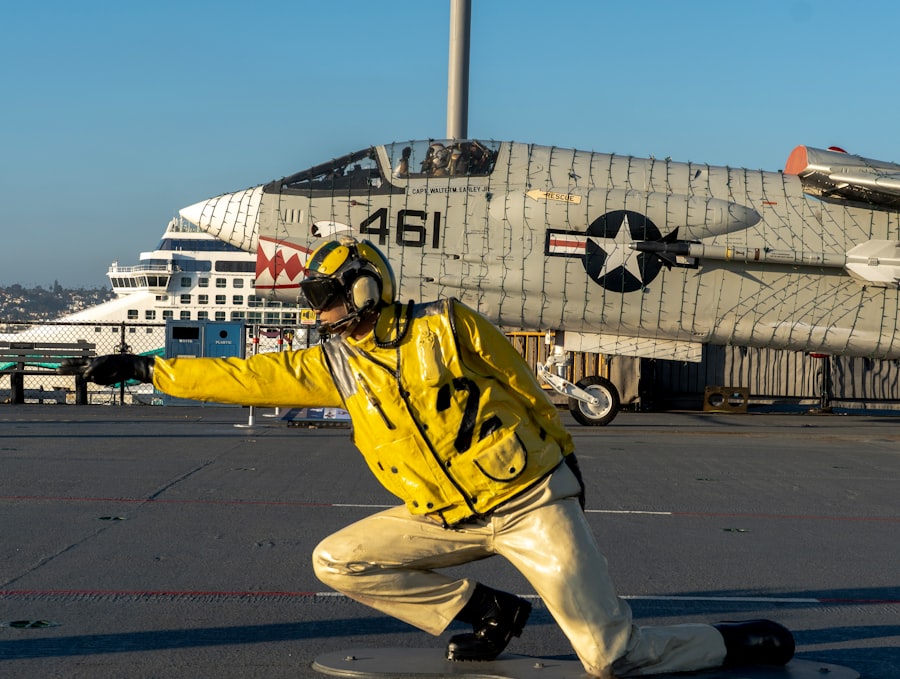
One of the most significant aspects of military schools is their focus on leadership development. Students are given numerous opportunities to take on leadership roles, whether through formal positions such as squad leaders or through participation in group projects and team-building exercises. This hands-on approach allows students to practice decision-making, problem-solving, and effective communication—skills that are essential for success in any field.
Leadership training in military schools often includes mentorship from experienced faculty and staff who have served in the military or have extensive leadership experience. These mentors provide guidance and support, helping students navigate challenges and develop their unique leadership styles. Additionally, many military schools incorporate leadership courses into their curriculum, covering topics such as ethics, strategic planning, and conflict resolution.
This comprehensive approach ensures that students not only understand the principles of leadership but also learn how to apply them in real-world situations.
Academic Excellence
| Metric | Description | Value | Unit |
|---|---|---|---|
| Average GPA | Mean Grade Point Average of students | 3.75 | Scale 4.0 |
| Graduation Rate | Percentage of students graduating within 4 years | 89 | % |
| Standardized Test Scores | Average SAT score of admitted students | 1350 | Points |
| Faculty-Student Ratio | Number of faculty members per student | 1:15 | Ratio |
| Research Publications | Number of peer-reviewed publications per year | 120 | Publications |
| Scholarship Recipients | Percentage of students receiving academic scholarships | 25 | % |
| Honor Roll Students | Percentage of students achieving honors | 40 | % |
While military schools are often associated with discipline and physical training, they also place a strong emphasis on academic excellence. The curriculum is designed to be rigorous and challenging, preparing students for higher education and future careers. Many military schools offer Advanced Placement (AP) courses, International Baccalaureate (IB) programs, and other advanced academic opportunities that allow students to earn college credit while still in high school.
In addition to traditional subjects such as mathematics, science, and literature, military schools often incorporate courses that promote critical thinking and analytical skills. For instance, students may engage in debates, research projects, and collaborative learning experiences that encourage them to think independently and creatively. The integration of technology into the classroom further enhances the learning experience, equipping students with the skills necessary to thrive in an increasingly digital world.
Physical Fitness and Health
Physical fitness is a cornerstone of the military school experience. Students participate in daily physical training sessions that are designed to build strength, endurance, and teamwork. These activities range from traditional exercises such as running and calisthenics to team sports like soccer and basketball.
The emphasis on physical fitness not only promotes health but also instills a sense of camaraderie among students as they work together to achieve common goals. Moreover, military schools often educate students about the importance of maintaining a healthy lifestyle beyond physical training. Nutrition classes may be included in the curriculum, teaching students how to make informed dietary choices that support their overall well-being.
This holistic approach to health ensures that students understand the connection between physical fitness and mental acuity, preparing them for the demands of both academic and personal challenges.
Character Building

Character building is an integral part of the military school experience. Students are taught the importance of integrity, honor, and respect—values that are essential for personal development and success in life. Through various programs and activities, students learn to navigate ethical dilemmas and understand the impact of their choices on themselves and others.
Service projects are often a key component of character building in military schools. Students may engage in community service initiatives that allow them to give back while developing empathy and social responsibility. These experiences not only enhance their understanding of civic duty but also foster a sense of pride in contributing positively to society.
By instilling these values early on, military schools prepare students to become responsible citizens who are committed to making a difference in their communities.
Career Opportunities
Attending a military school can open doors to a wide range of career opportunities. The skills acquired during this formative period—leadership, discipline, teamwork—are highly valued by employers across various industries. Graduates often find themselves well-prepared for careers in fields such as law enforcement, public service, business management, and even the military itself.
Many military schools have established partnerships with colleges and universities that facilitate smooth transitions for graduates seeking higher education. These partnerships may include scholarship opportunities or guaranteed admissions for students who meet specific criteria. Additionally, some military schools offer career counseling services that help students explore potential career paths based on their interests and strengths.
This proactive approach ensures that graduates are equipped with the knowledge and resources necessary to pursue their desired careers successfully.
Lifelong Camaraderie
One of the most enduring aspects of attending a military school is the lifelong camaraderie formed among students. The shared experiences—whether they involve rigorous training exercises or late-night study sessions—create bonds that often last well beyond graduation. Alumni networks frequently provide ongoing support for former students as they navigate their personal and professional lives.
Reunions and alumni events serve as opportunities for graduates to reconnect with one another and reflect on their shared journey. These gatherings foster a sense of belonging and community that can be invaluable throughout life’s challenges. The friendships forged in military school often become a source of strength and encouragement as individuals pursue their goals and face obstacles along the way.
In this way, military schools not only shape individuals but also create lasting connections that enrich lives long after the final bell has rung.