

Health education serves as a cornerstone for empowering communities, providing individuals with the knowledge and skills necessary to make informed health decisions. By fostering an understanding of health-related issues, communities can better navigate the complexities of healthcare systems, leading to improved health outcomes. This empowerment is particularly crucial in underserved populations, where access to healthcare resources may be limited.
When individuals are educated about health risks, preventive measures, and available services, they are more likely to engage in proactive health behaviors, ultimately enhancing their quality of life. Moreover, health education plays a vital role in promoting health literacy, which is essential for effective communication between healthcare providers and patients. A community that is well-versed in health concepts can advocate for itself, ensuring that its members receive appropriate care and resources.

For instance, when community members understand the importance of vaccinations, they are more likely to participate in immunization programs, thereby reducing the incidence of preventable diseases. This collective knowledge not only benefits individual health but also strengthens the community’s overall resilience against public health threats.
Key Takeaways
- Health education is crucial for empowering communities to make informed health decisions.
- Engaging community members through tailored strategies enhances participation and impact.
- Addressing health disparities requires focused education and advocacy efforts.
- Technology plays a significant role in expanding access to health education and resources.
- Collaboration with local organizations and continuous evaluation ensures sustainable health programs.
Strategies for Engaging and Empowering Community Members

Engaging community members in health education requires a multifaceted approach that considers the unique needs and preferences of the population. One effective strategy is the use of culturally relevant materials and programs that resonate with the community’s values and beliefs. For example, incorporating local languages, traditions, and practices into health education initiatives can significantly enhance participation and retention of information.
Workshops that include storytelling or local health heroes can create a relatable context that encourages individuals to take ownership of their health. Another strategy involves leveraging peer educators who can bridge the gap between health professionals and community members. These individuals often have firsthand experience with the challenges faced by their peers and can communicate health messages in a relatable manner.
Training community members as health advocates not only empowers them but also fosters trust within the community. For instance, a program that trains local residents to lead discussions on nutrition can effectively address dietary habits while simultaneously building leadership skills among participants.
Addressing Health Disparities Through Education and Advocacy
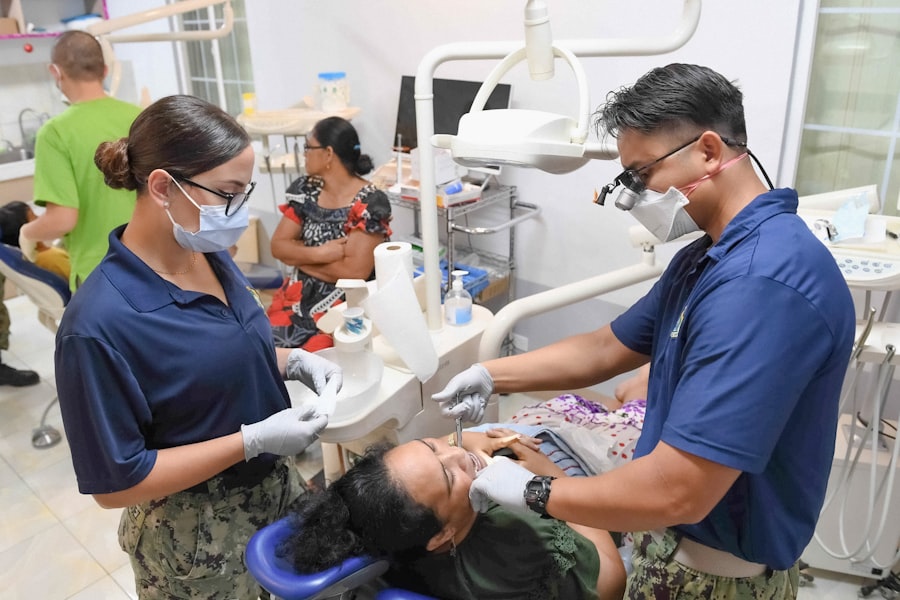
Health disparities are often rooted in social determinants such as socioeconomic status, education level, and access to healthcare services. Addressing these disparities through education and advocacy is essential for creating equitable health outcomes. Health education initiatives must be tailored to target specific barriers faced by marginalized groups.
For example, a community with high rates of diabetes may benefit from educational programs focused on nutrition and physical activity, coupled with advocacy efforts to improve access to healthy food options. Advocacy plays a critical role in amplifying the voices of those affected by health disparities. By empowering community members to share their experiences and challenges, advocates can influence policy changes that address systemic inequities.
For instance, organizing community forums where residents can discuss their healthcare experiences can provide valuable insights for policymakers. These discussions can lead to initiatives aimed at improving access to care, such as mobile clinics or subsidized transportation services for low-income individuals.
The Role of Technology in Health Education and Community Empowerment
| Metric | Description | Impact on Health Education | Impact on Community Empowerment |
|---|---|---|---|
| Access to Online Health Resources | Percentage of population with internet access to health information | Improves knowledge and awareness of health issues | Enables informed decision-making and self-care |
| Mobile Health App Usage | Number of users engaging with health-related mobile applications | Facilitates personalized health education and monitoring | Promotes proactive health management and community support |
| Telehealth Consultations | Frequency of remote health consultations via technology | Increases access to professional health advice | Reduces barriers to healthcare in underserved areas |
| Social Media Health Campaign Reach | Number of individuals reached through health campaigns on social platforms | Enhances public health messaging and education | Mobilizes community action and awareness |
| Community Health Data Collection | Use of digital tools for gathering local health data | Supports targeted health education programs | Empowers communities with data-driven insights |
| Digital Literacy Training | Number of community members trained in using health technologies | Improves ability to access and understand health information | Builds capacity for sustained community health engagement |
In today’s digital age, technology has become an invaluable tool for enhancing health education and community empowerment. Online platforms can facilitate the dissemination of information to a broader audience, making it easier for individuals to access vital health resources. For example, telehealth services have gained popularity, allowing patients to consult healthcare providers remotely.
This is particularly beneficial for those living in rural areas where healthcare facilities may be scarce. Social media also plays a significant role in health education by providing a space for communities to share information and support one another. Campaigns that utilize platforms like Facebook or Instagram can raise awareness about specific health issues while encouraging community engagement.
For instance, a campaign focused on mental health awareness might use social media to share personal stories, resources for support, and information about local mental health services. This not only educates the community but also fosters a sense of solidarity among individuals facing similar challenges.
Building Sustainable Health Education Programs in Communities
Creating sustainable health education programs requires careful planning and ongoing evaluation to ensure they meet the evolving needs of the community. One key aspect is involving community members in the design and implementation process. By soliciting input from residents about their health concerns and preferences, programs can be tailored to address specific issues effectively.
For example, if a community identifies high rates of smoking as a concern, a program focused on smoking cessation that incorporates local support groups may be more successful than a generic initiative. Funding is another critical component of sustainability. Establishing partnerships with local businesses, government agencies, and non-profit organizations can provide the necessary resources to maintain health education programs over time.
Additionally, training community members to take on leadership roles within these programs can foster a sense of ownership and commitment to their success. When individuals feel invested in the program’s outcomes, they are more likely to contribute actively and ensure its longevity.
Collaborating with Local Organizations and Leaders to Empower Communities

Collaboration with local organizations and leaders is essential for maximizing the impact of health education initiatives. By forming partnerships with schools, faith-based organizations, and community centers, health educators can tap into existing networks and resources. These collaborations can enhance outreach efforts and ensure that programs are culturally relevant and accessible.
For instance, partnering with schools allows for the integration of health education into existing curricula, reaching children and their families simultaneously. Local leaders also play a crucial role in mobilizing community support for health initiatives. Engaging respected figures within the community can lend credibility to health education efforts and encourage participation.
For example, if a well-known local athlete advocates for physical fitness programs, it may inspire community members to engage in healthier lifestyles. Additionally, involving local leaders in program planning can help identify specific needs and barriers within the community, leading to more effective interventions.
Evaluating the Impact of Health Education on Community Empowerment
Evaluating the impact of health education programs is vital for understanding their effectiveness and making necessary adjustments. A comprehensive evaluation framework should include both qualitative and quantitative measures to capture the full scope of program outcomes. Surveys assessing changes in knowledge, attitudes, and behaviors related to health can provide valuable insights into the program’s effectiveness.
For instance, pre- and post-program surveys can reveal whether participants have adopted healthier behaviors as a result of their engagement. Qualitative evaluations through focus groups or interviews can offer deeper insights into participants’ experiences and perceptions of the program. Understanding how individuals feel about their empowerment journey can inform future programming decisions.
For example, if participants express a desire for more hands-on activities or support groups, program coordinators can adapt their offerings accordingly. Continuous evaluation not only enhances program effectiveness but also demonstrates accountability to stakeholders and funders.
Overcoming Challenges and Barriers in Empowering Communities Through Health Education
Despite the potential benefits of health education in empowering communities, several challenges may arise during implementation. One significant barrier is resistance from community members who may be skeptical about the information being presented or distrustful of external organizations. Building trust takes time and requires consistent engagement with the community.
Health educators must approach these situations with empathy and transparency, actively listening to concerns while providing evidence-based information. Another challenge is addressing logistical issues such as transportation barriers or scheduling conflicts that may hinder participation in health education programs. Offering flexible scheduling options or providing transportation assistance can help mitigate these obstacles.
Additionally, utilizing technology to deliver educational content remotely can expand access for those unable to attend in-person sessions. By proactively identifying potential barriers and developing strategies to overcome them, health educators can enhance community engagement and ensure that their initiatives are successful in empowering individuals toward better health outcomes.