

Advertising plays a pivotal role in the landscape of higher education, serving as a bridge between institutions and prospective students. In an era where choices abound, the competition among colleges and universities has intensified, making effective advertising not just beneficial but essential. Institutions must communicate their unique value propositions clearly and compellingly to attract students who are increasingly discerning about their educational options.
The right advertising strategy can elevate an institution’s visibility, enhance its reputation, and ultimately influence enrollment numbers. Moreover, advertising in higher education is not solely about attracting students; it also encompasses the broader mission of promoting educational programs, research initiatives, and community engagement. By effectively showcasing their strengths, institutions can foster a sense of pride among current students and alumni while also appealing to potential applicants.

This multifaceted approach to advertising helps create a vibrant academic community that thrives on diversity, innovation, and collaboration. As such, the importance of advertising in higher education extends beyond mere enrollment figures; it shapes the very identity and future of educational institutions.
Key Takeaways
- Advertising is crucial for attracting and enrolling prospective students in higher education.
- Effective targeting ensures marketing efforts reach the right student demographics.
- Digital marketing, including social media, plays a key role in modern higher education advertising.
- Building a strong, recognizable brand enhances an institution’s appeal and credibility.
- Data analytics and influencer collaborations help optimize advertising strategies and measure success.
Targeting the Right Audience: Reaching Prospective Students

Identifying and targeting the right audience is crucial for effective advertising in higher education. Prospective students come from diverse backgrounds, each with unique aspirations, interests, and needs. Institutions must segment their audience based on various factors such as demographics, geographic location, academic interests, and career goals.
For instance, a university offering specialized programs in technology may focus its advertising efforts on high school students with a strong interest in STEM fields, while a liberal arts college might target those who value a broad-based education. To reach these prospective students effectively, institutions can employ various strategies, including personalized messaging and tailored content. Utilizing data analytics can help institutions understand the preferences and behaviors of their target audience, allowing for more precise marketing efforts.
For example, by analyzing social media engagement metrics or website traffic patterns, colleges can identify which programs resonate most with potential applicants. This data-driven approach enables institutions to craft messages that speak directly to the aspirations of their audience, thereby increasing the likelihood of engagement and application.
Utilizing Digital Marketing Strategies for Higher Education
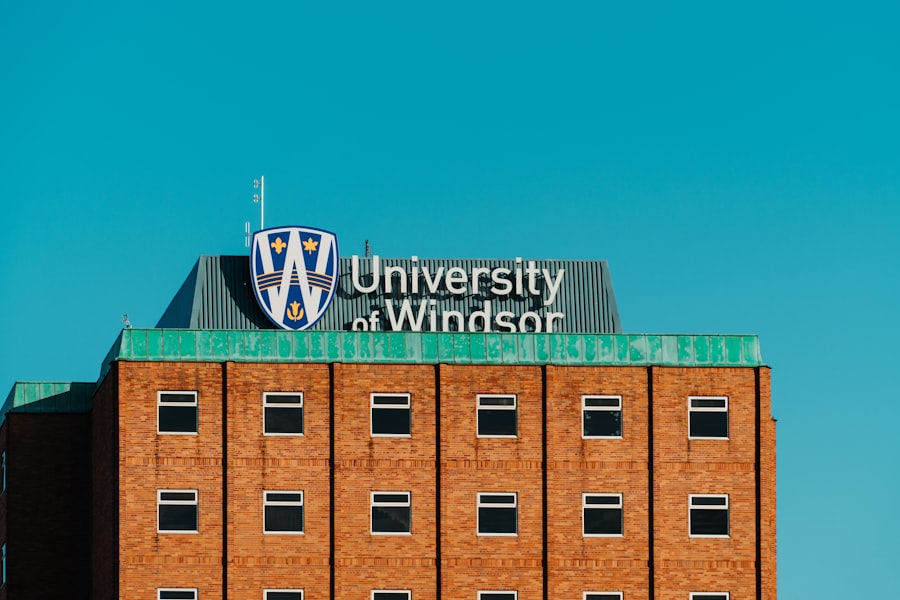
In today’s digital age, leveraging digital marketing strategies is paramount for higher education institutions seeking to enhance their advertising efforts. Traditional marketing methods such as print advertisements and billboards are no longer sufficient to capture the attention of tech-savvy prospective students. Instead, institutions must embrace a comprehensive digital marketing strategy that includes search engine optimization (SEO), content marketing, email campaigns, and pay-per-click (PPC) advertising.
SEO is particularly vital as it ensures that an institution’s website ranks high on search engine results pages when prospective students search for relevant programs or information. By optimizing website content with targeted keywords and providing valuable resources such as blog posts or guides, institutions can attract organic traffic and establish themselves as thought leaders in their respective fields. Additionally, content marketing allows institutions to share success stories, faculty expertise, and student experiences through engaging formats like videos and infographics.
This not only enhances visibility but also builds trust and credibility among prospective students.
Building a Strong Brand Image for Higher Education Institutions
| Metric | Description | Importance | Measurement Method | Target Benchmark |
|---|---|---|---|---|
| Brand Awareness | Percentage of target audience familiar with the institution’s name and offerings | High | Surveys, Social Media Mentions, Web Traffic Analysis | 70%+ within target demographic |
| Brand Perception | How positively the institution is viewed by students, parents, and employers | High | Reputation Surveys, Focus Groups, Online Reviews | 80% positive or higher |
| Student Enrollment Growth | Year-over-year increase in student enrollment numbers | Medium | Enrollment Data Analysis | 5-10% annual growth |
| Alumni Engagement Rate | Percentage of alumni actively participating in events or giving feedback | Medium | Alumni Surveys, Event Attendance Records | 30%+ active engagement |
| Social Media Engagement | Likes, shares, comments, and followers on official social media channels | Medium | Social Media Analytics Tools | 10% growth in engagement per quarter |
| Employer Satisfaction | Employers’ satisfaction with graduates’ skills and readiness | High | Employer Surveys, Feedback Forms | 85% satisfaction rate |
| Media Mentions | Number of positive mentions in news outlets and educational publications | Low to Medium | Media Monitoring Services | Increase by 15% annually |
| Website Traffic | Number of visitors and session duration on the institution’s website | Medium | Web Analytics Tools | 20% increase in unique visitors annually |
A strong brand image is essential for higher education institutions aiming to differentiate themselves in a crowded marketplace. Branding goes beyond logos and color schemes; it encompasses the institution’s values, mission, and overall reputation. A well-defined brand identity helps institutions communicate their unique offerings effectively and fosters a sense of belonging among students and alumni.
To build a robust brand image, institutions must engage in consistent messaging across all platforms. This includes aligning advertising campaigns with the institution’s core values and mission statement. For example, if an institution prides itself on inclusivity and diversity, its advertising should reflect these principles through imagery and narratives that celebrate different cultures and perspectives.
Additionally, storytelling plays a crucial role in branding; sharing authentic stories of student achievements or faculty research can create an emotional connection with prospective students, making the institution more relatable and appealing.
The Role of Social Media in Advertising for Higher Education
Social media has revolutionized the way higher education institutions engage with prospective students. Platforms like Instagram, Facebook, Twitter, and TikTok provide unique opportunities for institutions to showcase their campus culture, academic programs, and student life in real-time. By utilizing these platforms effectively, colleges can create a dynamic online presence that resonates with younger audiences who are increasingly reliant on social media for information.
Engagement is key on social media; institutions should not only post promotional content but also interact with followers through comments, direct messages, and live Q&A sessions. This two-way communication fosters a sense of community and allows prospective students to ask questions or express concerns directly to the institution. Additionally, user-generated content—such as student testimonials or photos—can enhance authenticity and encourage prospective students to envision themselves as part of the campus community.
By leveraging social media strategically, institutions can cultivate relationships that extend beyond mere transactions and foster long-term loyalty among students.
Measuring Success: Analytics and Data in Higher Education Advertising

In an increasingly data-driven world, measuring the success of advertising efforts is essential for higher education institutions. Analytics provide valuable insights into how well campaigns are performing and where improvements can be made. Institutions can track various metrics such as website traffic, conversion rates, social media engagement, and email open rates to gauge the effectiveness of their advertising strategies.
For instance, if an institution notices a high click-through rate on a specific ad but low conversion rates on its application page, it may indicate that while the ad is attracting interest, there may be barriers preventing prospective students from completing their applications. By analyzing user behavior through tools like Google Analytics or social media insights, institutions can identify these pain points and make necessary adjustments to improve the overall user experience. Furthermore, A/B testing different ad formats or messaging can help determine which approaches resonate best with the target audience, allowing for continuous optimization of advertising strategies.
Collaborating with Influencers and Ambassadors in Higher Education Advertising
The rise of social media influencers has opened new avenues for higher education advertising through collaborations with student ambassadors or alumni influencers. These individuals often have established credibility within their networks and can authentically promote their institutions to prospective students. By leveraging the influence of these ambassadors, colleges can reach wider audiences while maintaining a relatable and genuine voice.
For example, an institution might partner with current students who have compelling stories about their experiences on campus or alumni who have achieved notable success in their careers. These ambassadors can create content that highlights specific programs or campus life while sharing personal anecdotes that resonate with prospective students. This approach not only enhances visibility but also fosters trust; prospective students are more likely to engage with content that feels authentic rather than purely promotional.
Navigating the Challenges of Advertising in Higher Education
Despite the myriad opportunities available for advertising in higher education, institutions face several challenges that require strategic navigation. One significant challenge is budget constraints; many colleges and universities operate within limited marketing budgets that necessitate careful allocation of resources across various channels. Institutions must prioritize their advertising efforts based on data-driven insights to ensure maximum impact without overspending.
Additionally, regulatory considerations pose another challenge in higher education advertising. Institutions must adhere to guidelines set forth by accrediting bodies and government agencies regarding truthful representation of programs and outcomes. Misleading claims can lead to reputational damage and legal repercussions.
Therefore, it is crucial for institutions to maintain transparency in their advertising efforts while effectively communicating their strengths. In conclusion, while advertising in higher education presents unique challenges, it also offers significant opportunities for institutions to connect with prospective students meaningfully. By employing targeted strategies that leverage digital marketing tools, build strong brand identities, engage on social media platforms, measure success through analytics, collaborate with influencers, and navigate challenges thoughtfully, colleges can enhance their visibility and attract the right candidates who align with their mission and values.
