

Selecting the right preschool is a pivotal decision for parents, as it lays the foundation for a child’s educational journey. The early years of a child’s life are crucial for cognitive, social, and emotional development. Research indicates that children who attend high-quality preschool programs are better prepared for kindergarten and exhibit improved academic performance throughout their schooling.
This early exposure to structured learning environments fosters essential skills such as problem-solving, critical thinking, and social interaction. Moreover, the right preschool can help cultivate a love for learning that lasts a lifetime. In addition to academic readiness, preschool plays a significant role in socialization.

Children learn to interact with peers, share, and develop empathy in a group setting. The relationships formed during these formative years can influence a child’s self-esteem and ability to navigate social situations later in life. Therefore, choosing a preschool that aligns with your child’s personality and learning style is essential.
A nurturing environment can help children feel secure and confident, setting the stage for future educational experiences.
Key Takeaways
- Selecting the right preschool is crucial for your child’s early development and future success.
- Thoroughly research local preschools to find options that align with your family’s needs and values.
- Consider key factors such as curriculum, teacher qualifications, environment, and safety when choosing a preschool.
- Visit potential preschools to observe the setting, interact with staff, and assess the overall atmosphere.
- Understand various preschool philosophies to choose a program that best supports your child’s learning style and growth.

Researching Preschools in Your Area
The process of finding the right preschool begins with thorough research. Parents should start by compiling a list of preschools in their vicinity. This can be achieved through various means, such as online searches, community forums, or recommendations from friends and family.
Websites like GreatSchools or Niche provide valuable insights into local preschools, including ratings and reviews from other parents. Additionally, local parenting groups on social media platforms can serve as a resource for firsthand experiences and advice. Once a preliminary list is established, parents should delve deeper into each option.
This involves examining the school’s website for information about their curriculum, staff qualifications, and overall philosophy. Many preschools also provide virtual tours or introductory videos that can give parents a sense of the environment and teaching style. Furthermore, it is beneficial to check if the preschool is licensed and accredited by relevant educational authorities, as this can be an indicator of quality and adherence to safety standards.
Factors to Consider When Choosing a Preschool
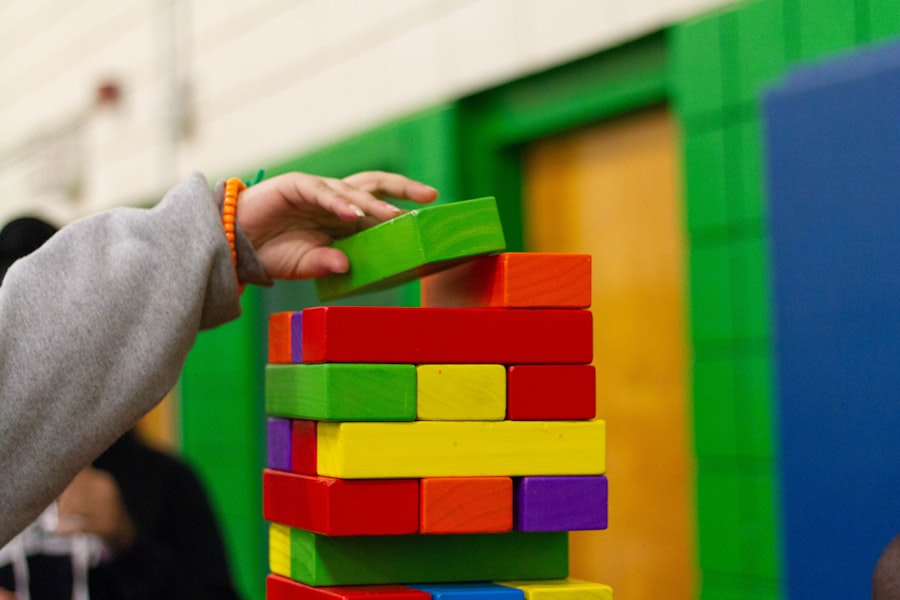
When evaluating potential preschools, several critical factors should be taken into account. One of the foremost considerations is the curriculum offered. Different preschools may adopt various educational approaches, such as Montessori, Reggio Emilia, or traditional play-based learning.
Understanding these methodologies can help parents determine which aligns best with their child’s learning style and developmental needs. For instance, Montessori schools emphasize self-directed learning and hands-on activities, while Reggio Emilia focuses on collaborative projects and expressive arts. Another vital aspect to consider is the teacher-to-student ratio.
A lower ratio often indicates more individualized attention for each child, which can enhance their learning experience. Research suggests that smaller class sizes allow teachers to better understand each child’s unique strengths and challenges, fostering a more supportive environment. Additionally, parents should inquire about the qualifications and experience of the teaching staff.
Educators with specialized training in early childhood development are more likely to create engaging and effective learning experiences.
Visiting Potential Preschools
| Preschool Name | Location | Student-Teacher Ratio | Curriculum Focus | Visit Duration (minutes) | Facilities Available | Parent Reviews (out of 5) |
|---|---|---|---|---|---|---|
| Bright Beginnings | Downtown | 8:1 | Montessori | 45 | Playground, Art Room, Library | 4.5 |
| Little Stars Academy | Uptown | 10:1 | Reggio Emilia | 60 | Music Room, Outdoor Garden | 4.2 |
| Sunshine Kids | Suburbs | 7:1 | Play-Based Learning | 30 | Gym, Nature Trail | 4.7 |
| Happy Trails Preschool | Midtown | 9:1 | Academic Readiness | 50 | Science Lab, Playground | 4.3 |
After narrowing down the list of potential preschools, scheduling visits is an essential next step. Visiting schools in person allows parents to observe the environment firsthand and assess whether it feels welcoming and safe. During these visits, parents should pay attention to the overall atmosphere—are the classrooms bright and inviting?
Are there age-appropriate materials available for children to explore? Observing how teachers interact with students can also provide valuable insights into the school’s culture and approach to education. During the visit, it is beneficial to ask questions about daily routines, discipline policies, and how the school handles emergencies or health concerns.
Engaging with staff members can also help gauge their enthusiasm for teaching and their commitment to fostering a positive learning environment. Additionally, parents should take note of how children are engaged in activities—are they actively participating and enjoying themselves? This observation can be telling of the school’s ability to create an enriching educational experience.
Understanding Different Preschool Philosophies
Preschool philosophies play a significant role in shaping a child’s early educational experience. Familiarizing oneself with various approaches can help parents make informed decisions about which environment will best suit their child’s needs. The Montessori method emphasizes independence and self-directed learning through hands-on activities and mixed-age classrooms.
Children are encouraged to explore at their own pace, fostering a sense of autonomy and responsibility. In contrast, the Reggio Emilia approach focuses on collaborative learning experiences where children express themselves through various mediums such as art, music, and storytelling. This philosophy values the child as an active participant in their learning journey, promoting creativity and critical thinking skills.
Other approaches include Waldorf education, which emphasizes imaginative play and nature-based learning, and traditional preschools that may follow a more structured curriculum with specific learning objectives. Understanding these philosophies allows parents to align their values with the educational approach that resonates most with them.
Evaluating the Quality of a Preschool Program
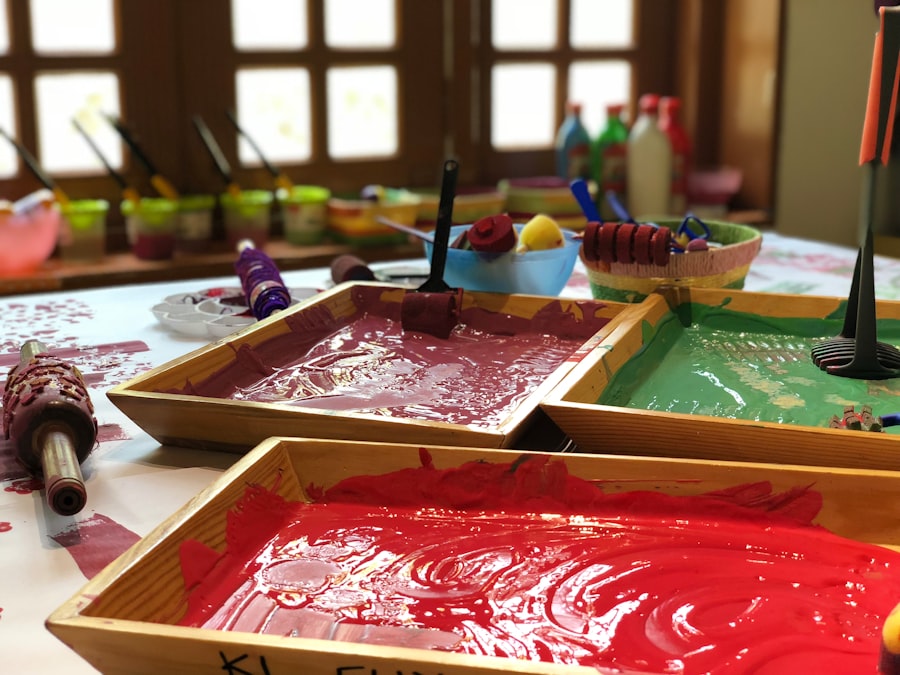
Assessing the quality of a preschool program involves looking beyond surface-level attributes such as facilities or aesthetics. One key indicator of quality is the curriculum’s alignment with developmental milestones set by early childhood education standards. High-quality programs typically incorporate a balanced mix of structured activities and free play, allowing children to develop both academically and socially.
Another important aspect is the ongoing professional development of staff members. Quality preschools invest in their educators by providing training opportunities that keep them updated on best practices in early childhood education. Parents should inquire about how often teachers participate in workshops or training sessions related to child development and educational strategies.
Additionally, observing how teachers assess children’s progress can provide insights into how well the program supports individual growth.
Making the Final Decision
Once all relevant information has been gathered through research, visits, and evaluations, it is time for parents to make a final decision regarding preschool enrollment. This process may involve discussions with family members or partners to weigh the pros and cons of each option thoroughly. It can be helpful to create a checklist or matrix comparing each preschool based on key factors such as curriculum, teacher qualifications, class size, and overall environment.
Trusting one’s instincts is also crucial during this decision-making phase. If a particular preschool resonates positively with both parents and children during visits or interactions with staff, it may be an indicator that it is the right fit. Conversely, if there are lingering doubts or concerns about any aspect of a program, it may be worth considering other options before making a commitment.
Enrolling Your Child in the Best Preschool Near You
Once a decision has been made regarding which preschool to enroll in, parents should familiarize themselves with the enrollment process specific to that institution. This often involves completing an application form, providing necessary documentation such as proof of residency or immunization records, and possibly paying an enrollment fee. Some preschools may also require interviews or assessments to ensure that they can meet the child’s needs effectively.
After enrollment is complete, maintaining open communication with teachers and staff is essential for ensuring a smooth transition into preschool life. Parents should feel encouraged to ask questions or express any concerns that may arise during this period of adjustment for both themselves and their child. Establishing a partnership with educators can enhance the overall preschool experience and contribute positively to a child’s development during these formative years.