
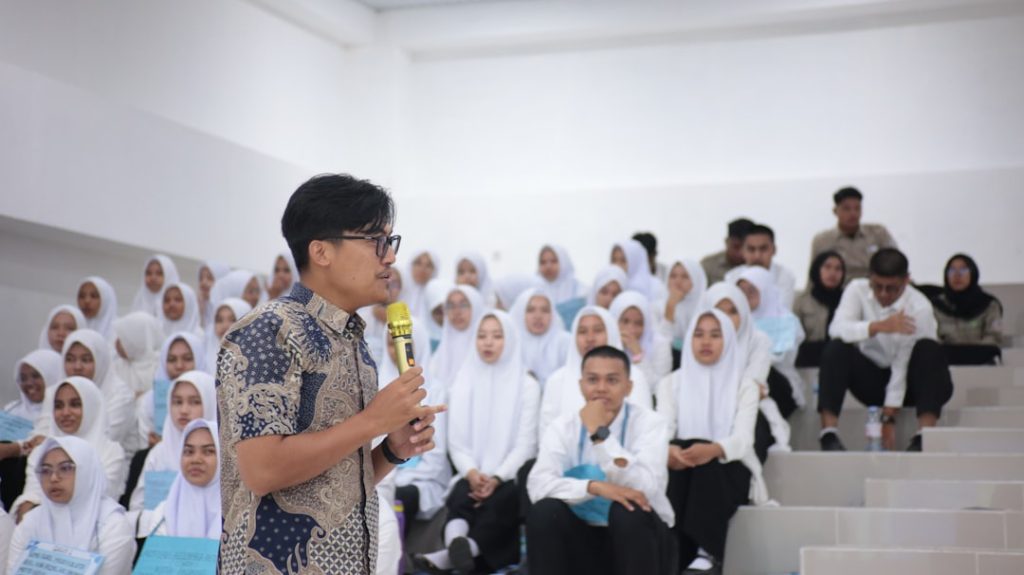
Inclusive education is a pedagogical approach that seeks to ensure that all students, regardless of their backgrounds, abilities, or disabilities, have access to quality education within mainstream classrooms. This concept is rooted in the belief that every child has the right to learn alongside their peers in an environment that respects and values diversity. The philosophy of inclusive education extends beyond mere physical presence in the classroom; it emphasizes the need for meaningful participation and engagement in the learning process.
This approach recognizes that students come with varied experiences, skills, and needs, and it aims to create a supportive atmosphere where all learners can thrive. The historical context of inclusive education can be traced back to movements advocating for the rights of individuals with disabilities. Over the decades, there has been a significant shift from segregated educational settings to more integrated models.

The Salamanca Statement of 1994, adopted by UNESCO, marked a pivotal moment in this evolution, asserting that schools should accommodate all children regardless of their physical, intellectual, social, emotional, linguistic, or other conditions. This global commitment to inclusive education has led to the development of various frameworks and guidelines aimed at fostering inclusive practices in schools worldwide.
Key Takeaways
- Inclusive education promotes equal learning opportunities for all students regardless of their abilities.
- Benefits include improved social skills, academic outcomes, and a sense of belonging for diverse learners.
- Challenges like resource limitations and resistance can be addressed through training and collaboration.
- Supporting teachers with professional development and resources is crucial for effective inclusion.
- Creating a welcoming environment and embracing diversity fosters empowerment and success for all students.
Benefits of Inclusive Education

The benefits of inclusive education extend far beyond the individual student; they resonate throughout the entire school community and society at large. One of the most significant advantages is the promotion of social cohesion. When students with diverse abilities learn together, they develop empathy, understanding, and respect for one another.
This interaction fosters a sense of belonging and community, which is essential for building a harmonious society. For instance, a study conducted in inclusive classrooms found that students without disabilities exhibited increased levels of compassion and acceptance towards their peers with disabilities, leading to a more supportive school culture. Academically, inclusive education has been shown to enhance learning outcomes for all students.
Research indicates that when teachers employ differentiated instruction strategies to meet the diverse needs of their students, everyone benefits from a richer learning experience. For example, a classroom that incorporates various teaching methods—such as collaborative group work, hands-on activities, and technology integration—can engage students with different learning styles and abilities. This not only helps students with disabilities but also enriches the educational experience for their peers, leading to improved academic performance across the board.
Overcoming Challenges in Implementing Inclusive Education

Despite its numerous benefits, implementing inclusive education is fraught with challenges that educators and administrators must navigate. One significant barrier is the lack of adequate training for teachers. Many educators enter the profession without sufficient preparation to address the diverse needs of students in an inclusive setting.
This gap in training can lead to feelings of inadequacy and frustration among teachers, ultimately impacting their effectiveness in the classroom. For instance, a survey conducted among teachers revealed that many felt unprepared to implement individualized education plans (IEPs) or to adapt their teaching methods for students with special needs. Another challenge lies in resource allocation.
Schools often face budget constraints that limit their ability to provide necessary support services such as special education professionals, assistive technology, and additional classroom aides. In many cases, schools may struggle to create an inclusive environment due to insufficient funding for training programs or resources that facilitate differentiated instruction. This lack of support can hinder the successful implementation of inclusive practices and may lead to a reliance on traditional teaching methods that do not cater to all learners.
Supporting Teachers in Inclusive Education
| Support Area | Metric | Description | Example Data |
|---|---|---|---|
| Professional Development | Training Hours per Teacher | Average number of hours teachers receive training on inclusive education annually | 20 hours/year |
| Resource Availability | Assistive Technology Access | Percentage of classrooms equipped with assistive technology tools | 75% |
| Collaboration | Co-teaching Frequency | Average number of co-teaching sessions per week between general and special education teachers | 3 sessions/week |
| Support Staff | Teacher-to-Aide Ratio | Number of teachers per support aide in inclusive classrooms | 1:0.5 |
| Curriculum Adaptation | Adapted Lesson Plans | Percentage of lesson plans modified to meet diverse learner needs | 60% |
| Teacher Confidence | Self-Reported Confidence Level | Average teacher rating on confidence to teach inclusively (scale 1-5) | 4.2 |
| Student Outcomes | Inclusive Classroom Success Rate | Percentage of students meeting learning goals in inclusive settings | 85% |
To effectively implement inclusive education, it is crucial to provide robust support systems for teachers. Professional development opportunities are essential for equipping educators with the skills and knowledge needed to address diverse learning needs. Workshops and training sessions focused on inclusive teaching strategies can empower teachers to create more adaptable lesson plans and foster an inclusive classroom environment.
For example, training on Universal Design for Learning (UDL) principles can help teachers design lessons that are accessible to all students from the outset. Mentorship programs can also play a vital role in supporting teachers as they navigate the complexities of inclusive education. Pairing experienced educators with those new to inclusive practices can facilitate knowledge sharing and provide practical insights into effective strategies.
Additionally, creating collaborative networks among teachers allows for ongoing dialogue about challenges and successes in implementing inclusive practices. Such collaboration not only enhances professional growth but also fosters a sense of community among educators committed to inclusivity.
Creating an Inclusive Environment in Schools
Creating an inclusive environment requires intentional efforts from school leaders, educators, and the broader community. Physical accessibility is a fundamental aspect of inclusivity; schools must ensure that facilities are designed to accommodate all students, including those with mobility challenges. This includes features such as ramps, elevators, and accessible restrooms.
However, inclusivity goes beyond physical space; it also encompasses emotional and social dimensions. Schools should cultivate a culture of acceptance where diversity is celebrated and all students feel valued. Curriculum design plays a crucial role in fostering an inclusive environment as well.
Schools should strive to incorporate diverse perspectives and materials that reflect the experiences of all students. For instance, literature selections can include works by authors from various cultural backgrounds or those that address themes related to disability and inclusion. By integrating diverse voices into the curriculum, schools not only enrich students’ learning experiences but also promote understanding and respect for different cultures and identities.
Empowering Students in Inclusive Education
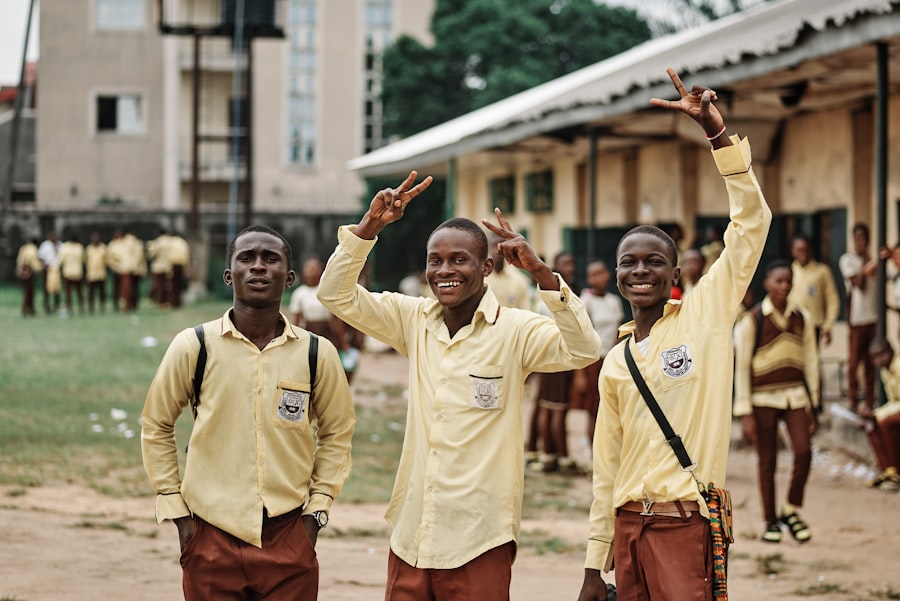
Empowering students within an inclusive education framework involves fostering self-advocacy skills and encouraging active participation in their learning journey. Students should be encouraged to express their needs and preferences regarding their education. This can be achieved through individualized goal-setting processes where students collaborate with teachers and support staff to identify their strengths and areas for growth.
For example, involving students in developing their IEPs can give them a sense of ownership over their learning and help them articulate their goals more effectively. Peer support programs can also play a significant role in empowering students within inclusive settings. By pairing students with disabilities with peers who can offer assistance or mentorship, schools can create opportunities for social interaction and skill development.
These relationships not only benefit students with disabilities but also foster empathy and leadership skills among their peers. For instance, buddy systems or peer tutoring initiatives can enhance social connections while promoting academic success for all involved.
Inclusive Education Policies and Practices
Effective policies are essential for guiding the implementation of inclusive education at local, national, and international levels. Governments must establish clear frameworks that outline expectations for inclusive practices within educational systems. These policies should emphasize the importance of equity in education and provide guidelines for schools on how to create inclusive environments.
For example, legislation such as the Individuals with Disabilities Education Act (IDEA) in the United States mandates that students with disabilities receive free appropriate public education in the least restrictive environment possible. In addition to legislative measures, schools should develop comprehensive action plans that detail specific strategies for promoting inclusivity. These plans may include professional development initiatives for staff, resource allocation for support services, and mechanisms for monitoring progress toward inclusivity goals.
Regular assessments of school practices can help identify areas for improvement and ensure accountability in meeting the needs of all learners.
Embracing Diversity in Inclusive Education
Embracing diversity is at the heart of inclusive education; it involves recognizing and valuing the unique contributions that each student brings to the classroom. Schools should actively promote an understanding of diversity through curriculum content that reflects various cultures, languages, abilities, and experiences. Celebrating cultural events or hosting diversity days can provide opportunities for students to share their backgrounds and learn from one another.
Moreover, fostering an appreciation for diversity requires ongoing dialogue about issues related to equity and inclusion within the school community. Educators should engage students in discussions about stereotypes, biases, and social justice issues to cultivate critical thinking skills and promote awareness of systemic inequalities. By creating spaces where these conversations can occur openly, schools can empower students to become advocates for inclusivity both within their educational environments and beyond.
In conclusion, inclusive education represents a transformative approach that benefits not only individual learners but also society as a whole by fostering understanding, empathy, and collaboration among diverse groups. Through concerted efforts to overcome challenges, support educators, create welcoming environments, empower students, implement effective policies, and embrace diversity, schools can pave the way for a more equitable future where every student has the opportunity to succeed.
