

Lifelong learning is a concept that transcends traditional educational boundaries, emphasizing the continuous pursuit of knowledge and skills throughout an individual’s life. In an ever-evolving world characterized by rapid technological advancements and shifting job markets, the importance of lifelong learning cannot be overstated. It serves as a vital mechanism for personal and professional development, enabling individuals to adapt to changes, enhance their employability, and foster a sense of fulfillment.
The ability to learn continuously is not merely an asset; it has become a necessity in navigating the complexities of modern life. Moreover, lifelong learning cultivates a mindset that values curiosity and resilience. It encourages individuals to seek out new experiences, challenge their existing beliefs, and embrace change.

This mindset is particularly crucial in today’s globalized society, where information is abundant, and the pace of change is relentless. By committing to lifelong learning, individuals not only enhance their cognitive abilities but also develop critical thinking skills that are essential for problem-solving in both personal and professional contexts. The journey of lifelong learning is not confined to formal education; it encompasses informal learning experiences, self-directed study, and community engagement, all of which contribute to a well-rounded and adaptable individual.
Key Takeaways
- Lifelong learning is essential for personal growth and adapting to changing environments.
- Adults gain cognitive, social, and professional benefits from continuous education.
- Common barriers like time constraints and lack of motivation can be addressed with targeted support.
- Technology plays a crucial role in making adult education accessible and flexible.
- Valuing and supporting adult learners fosters a positive environment that encourages ongoing learning.
The Benefits of Lifelong Learning for Adults

The benefits of lifelong learning for adults are manifold, impacting various aspects of their lives. One of the most significant advantages is the enhancement of career prospects. In a competitive job market, employers increasingly seek candidates who demonstrate a commitment to ongoing education and skill development.
Adults who engage in lifelong learning are often better equipped to meet the demands of their professions, making them more attractive to potential employers. For instance, professionals in fields such as technology or healthcare must stay abreast of the latest developments and innovations to remain relevant. Continuous education allows them to acquire new certifications or skills that can lead to promotions or new job opportunities.
In addition to career advancement, lifelong learning contributes to personal growth and satisfaction. Engaging in new learning experiences can lead to increased self-esteem and confidence as individuals master new skills or knowledge areas. This personal development often translates into improved social interactions and relationships, as adults who learn continuously tend to be more open-minded and adaptable.
For example, participating in community education programs or workshops can foster connections with like-minded individuals, creating a supportive network that encourages further exploration and growth. The joy of learning can reignite passions that may have been dormant for years, leading to a more fulfilling and enriched life.
Overcoming Barriers to Adult Learning
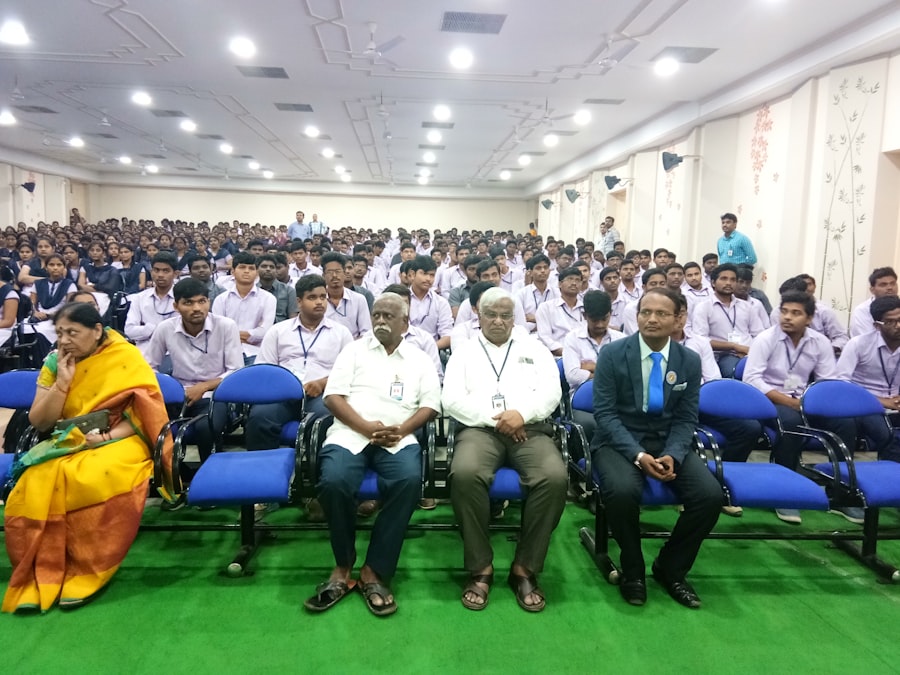
Despite the clear benefits of lifelong learning, many adults face significant barriers that hinder their ability to engage in educational pursuits. Time constraints are often cited as one of the most formidable obstacles. Balancing work, family responsibilities, and personal commitments can leave little room for formal or informal learning opportunities.
Adults may feel overwhelmed by their daily obligations, leading them to prioritize immediate responsibilities over long-term educational goals. Additionally, financial constraints can pose a significant barrier; the cost of courses, materials, or even transportation can deter individuals from pursuing further education. Another barrier is the lack of confidence or fear of failure that many adults experience when considering returning to an educational setting.
After years away from formal schooling, individuals may doubt their ability to succeed in a classroom environment or feel intimidated by younger peers. This apprehension can be exacerbated by negative past experiences with education or a belief that they are too old to learn new things. To overcome these barriers, it is essential to foster a culture that encourages adult learners and recognizes their unique challenges.
Providing flexible learning options, such as online courses or evening classes, can help accommodate busy schedules while offering financial assistance or scholarships can alleviate economic pressures.
Strategies for Empowering Adults Through Lifelong Learning
| Strategy | Description | Key Metrics | Impact on Adult Learners |
|---|---|---|---|
| Flexible Learning Options | Offering courses online, evenings, and weekends to accommodate adult schedules. | Percentage of courses available online; Enrollment rates during non-traditional hours | Increased accessibility and participation among working adults |
| Recognition of Prior Learning (RPL) | Assessing and accrediting skills and knowledge gained outside formal education. | Number of RPL assessments completed; Percentage of learners receiving credit | Faster progression and motivation through acknowledgment of existing skills |
| Personalized Learning Plans | Tailoring learning paths to individual goals and needs. | Percentage of learners with customized plans; Learner satisfaction scores | Higher engagement and goal attainment rates |
| Community Learning Networks | Creating peer support groups and local learning communities. | Number of active learning groups; Frequency of group meetings | Enhanced motivation and social support for learners |
| Use of Technology and Digital Tools | Incorporating apps, platforms, and digital resources to facilitate learning. | Percentage of courses using digital tools; Learner digital literacy improvement | Improved engagement and access to diverse learning materials |
| Career-Oriented Programs | Offering courses aligned with labor market needs and career advancement. | Employment rate post-completion; Number of industry partnerships | Better job prospects and economic empowerment |
| Financial Support and Incentives | Providing scholarships, subsidies, or employer sponsorships. | Number of learners receiving financial aid; Retention rates | Reduced financial barriers and increased enrollment |
Empowering adults through lifelong learning requires intentional strategies that address their specific needs and circumstances. One effective approach is the implementation of personalized learning plans that cater to individual goals and interests. By assessing an adult learner’s current skills and aspirations, educators can design tailored programs that align with their career objectives or personal passions.
This personalized approach not only enhances engagement but also ensures that learners see the relevance of their studies in real-world applications. Another strategy involves creating collaborative learning environments where adults can share experiences and knowledge with one another. Peer-to-peer learning fosters a sense of community and support among adult learners, allowing them to draw on each other’s strengths and insights.
Workshops, discussion groups, or study circles can facilitate this collaborative approach, encouraging participants to take ownership of their learning journey. Additionally, mentorship programs that connect experienced professionals with those seeking guidance can provide invaluable support and encouragement, helping adults navigate their educational paths with confidence.
The Role of Technology in Adult Education
Technology plays a transformative role in adult education, offering innovative solutions that enhance accessibility and engagement. Online learning platforms have revolutionized the way adults pursue education by providing flexible options that fit into their busy lives. With the ability to access courses from anywhere at any time, adults can learn at their own pace without the constraints of traditional classroom settings.
This flexibility is particularly beneficial for those juggling multiple responsibilities, as it allows them to integrate learning into their daily routines seamlessly. Moreover, technology facilitates diverse learning methods that cater to various learning styles. Interactive multimedia resources, such as videos, podcasts, and virtual simulations, can make complex subjects more engaging and easier to understand.
Online forums and discussion boards enable learners to connect with instructors and peers from around the world, fostering a global exchange of ideas and perspectives. Additionally, advancements in artificial intelligence and adaptive learning technologies are paving the way for personalized educational experiences that respond to individual progress and preferences. As technology continues to evolve, its integration into adult education will likely expand further, creating even more opportunities for lifelong learning.
Creating a Supportive Learning Environment for Adults

A supportive learning environment is crucial for fostering adult learners’ success and motivation. Such an environment should prioritize inclusivity and respect for diverse backgrounds and experiences. Recognizing that adult learners come from various walks of life with unique challenges is essential in creating an atmosphere where they feel valued and understood.
Educators should strive to cultivate a culture of encouragement where mistakes are viewed as opportunities for growth rather than failures. In addition to fostering inclusivity, providing access to resources and support services is vital in creating a conducive learning environment. This includes offering academic advising, tutoring services, and access to technology or study materials.
Creating spaces for informal interactions among learners can also enhance community building; study lounges or group workspaces encourage collaboration and networking among peers. Furthermore, regular feedback from instructors can help adult learners gauge their progress and identify areas for improvement while reinforcing their sense of accomplishment.
Recognizing and Valuing Adult Learners
Recognizing and valuing adult learners is essential in promoting lifelong education initiatives. Acknowledging the unique contributions that adult learners bring to educational settings enriches the overall learning experience for everyone involved. Adult learners often possess a wealth of life experience and practical knowledge that can enhance discussions and collaborative projects within the classroom or training environment.
By valuing these contributions, educators can create a more dynamic and engaging atmosphere that benefits all participants. Additionally, celebrating achievements—both big and small—can significantly boost motivation among adult learners. Institutions should implement recognition programs that highlight milestones such as course completions or skill acquisitions.
This could take the form of certificates, public acknowledgments during events, or even social media shout-outs that celebrate individual successes within the community. By fostering an environment where accomplishments are recognized and celebrated, institutions can encourage continued engagement in lifelong learning pursuits.
The Future of Lifelong Learning for Adults
The future of lifelong learning for adults appears promising as societal attitudes toward education continue to evolve. As the workforce increasingly values adaptability and continuous skill development, there will likely be greater emphasis on creating pathways for adult learners to engage in ongoing education throughout their lives. This shift may lead to more partnerships between educational institutions and employers aimed at developing tailored training programs that meet industry needs while accommodating adult learners’ schedules.
Furthermore, as technology continues to advance at an unprecedented pace, it will play an even more significant role in shaping the landscape of adult education. Innovations such as virtual reality (VR) training simulations or gamified learning experiences could revolutionize how adults acquire new skills in various fields—from healthcare to engineering—making education more engaging and effective than ever before. As we look ahead, it is essential for policymakers, educators, and communities to prioritize initiatives that support lifelong learning opportunities for adults, ensuring they have access to the resources necessary for personal growth and professional success in an increasingly complex world.
