

Polytechnic education offers a unique blend of theoretical knowledge and practical skills, making it an attractive option for students seeking to enter the workforce quickly and effectively. One of the primary benefits of polytechnic education is its focus on applied learning. Unlike traditional universities that may emphasize abstract theories, polytechnic institutions prioritize hands-on experiences that allow students to engage directly with the tools and technologies they will encounter in their careers.
This approach not only enhances understanding but also fosters critical thinking and problem-solving skills, which are essential in today’s fast-paced job market. Moreover, polytechnic education often features smaller class sizes, which can lead to more personalized attention from instructors. This environment encourages active participation and collaboration among students, facilitating a deeper understanding of the subject matter.

Instructors in polytechnic settings typically have extensive industry experience, allowing them to provide insights that bridge the gap between academic concepts and real-world applications. This connection to industry not only enriches the learning experience but also helps students build valuable networks that can be beneficial when seeking employment after graduation.
Key Takeaways
- Polytechnic education provides practical skills that align closely with industry requirements.
- It effectively prepares students for immediate entry into the workforce with hands-on experience.
- Graduates have access to diverse career opportunities across various technical and professional fields.
- Polytechnic education contributes significantly to economic development by supplying skilled labor.
- The demand for polytechnic programs is increasing, highlighting their growing importance in future career landscapes.
The Role of Polytechnic Education in Meeting Industry Needs
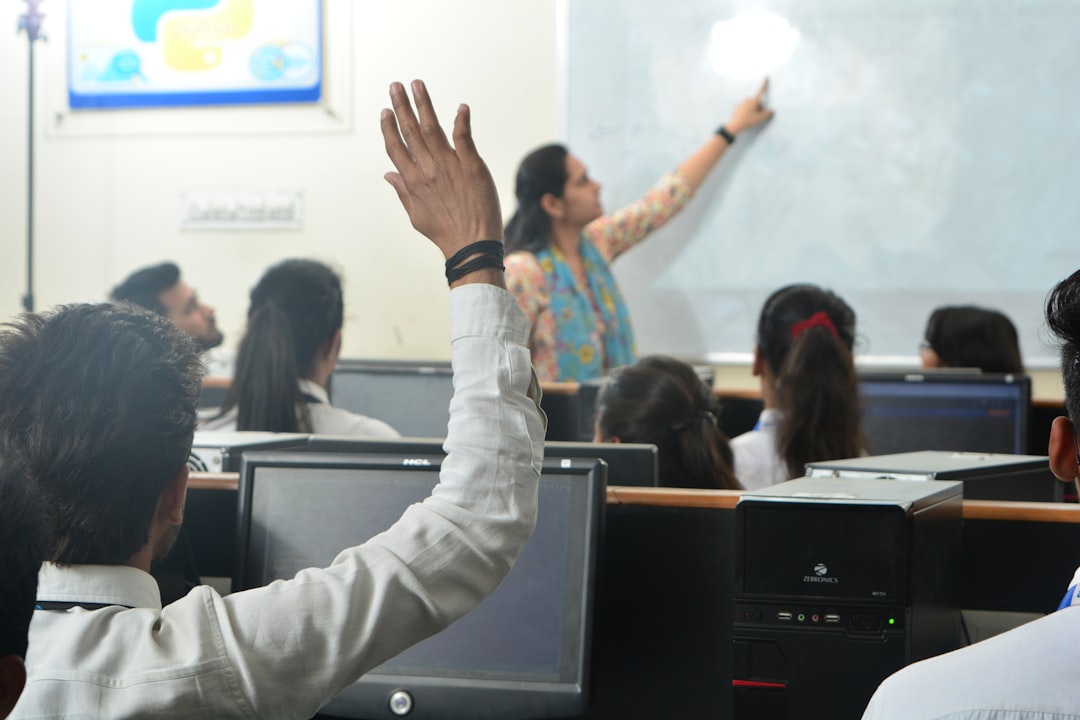
As industries evolve and adapt to new technologies and market demands, the need for a skilled workforce becomes increasingly critical. Polytechnic education plays a vital role in addressing these needs by aligning its curriculum with the requirements of various sectors. Many polytechnic institutions collaborate closely with industry partners to ensure that their programs remain relevant and up-to-date.
This partnership often results in the development of specialized courses that equip students with the specific skills and knowledge required by employers. For instance, in fields such as information technology, polytechnic programs may include training in emerging technologies like artificial intelligence, cybersecurity, and data analytics. By focusing on these high-demand areas, polytechnic education not only prepares students for current job openings but also anticipates future trends in the labor market.
This proactive approach helps to mitigate skills gaps and ensures that graduates are well-equipped to contribute to their respective industries from day one.
How Polytechnic Education Prepares Students for the Workforce

Polytechnic education is designed with a clear focus on workforce readiness. Programs often incorporate internships, co-op placements, and industry projects as integral components of the curriculum. These experiential learning opportunities allow students to apply their knowledge in real-world settings, gaining invaluable experience that enhances their employability.
For example, a student studying mechanical engineering at a polytechnic institution might participate in a co-op program with a local manufacturing company, where they can work on actual projects and learn from seasoned professionals. Additionally, polytechnic education emphasizes the development of soft skills alongside technical competencies. Communication, teamwork, and adaptability are increasingly recognized as essential attributes in the modern workplace.
Many polytechnic programs include group projects and presentations that require students to collaborate effectively and articulate their ideas clearly. This holistic approach to education ensures that graduates are not only technically proficient but also capable of thriving in diverse work environments.
The Importance of Practical Skills in Polytechnic Education
| Metric | Description | Value | Source/Notes |
|---|---|---|---|
| Graduate Employment Rate | Percentage of polytechnic graduates employed within 6 months | 85% | Industry surveys, 2023 |
| Hands-on Training Hours | Average number of practical training hours per semester | 120 hours | Polytechnic curriculum standards |
| Employer Satisfaction | Percentage of employers satisfied with graduates’ practical skills | 90% | Employer feedback reports, 2023 |
| Internship Participation Rate | Percentage of students completing internships during study | 75% | Institutional records |
| Skill Certification Rate | Percentage of students earning industry-recognized skill certifications | 65% | Certification bodies, 2023 |
| Practical vs Theoretical Learning Ratio | Ratio of practical training hours to theoretical instruction hours | 1:1.5 | Curriculum design guidelines |
| Student Satisfaction with Practical Training | Percentage of students rating practical training as highly beneficial | 88% | Student surveys, 2023 |
Practical skills are at the heart of polytechnic education, distinguishing it from more traditional academic pathways. The emphasis on hands-on training allows students to gain proficiency in using tools, equipment, and technologies relevant to their fields. For instance, students in automotive technology programs spend significant time in workshops, working directly on vehicles to diagnose issues and perform repairs.
This practical experience is crucial for building confidence and competence, as students learn to navigate real-world challenges. Furthermore, practical skills acquired through polytechnic education often translate directly into job readiness. Employers frequently seek candidates who can demonstrate their ability to perform specific tasks without extensive training.
By providing students with opportunities to practice these skills in a controlled environment, polytechnic institutions help bridge the gap between education and employment. Graduates emerge not only with theoretical knowledge but also with a portfolio of practical experiences that showcase their capabilities to potential employers.
The Diverse Career Paths Available with Polytechnic Education
One of the most appealing aspects of polytechnic education is the wide array of career paths it opens up for graduates. From engineering and technology to health sciences and business management, polytechnic programs cater to various interests and industries. This diversity allows students to explore different fields before committing to a specific career trajectory.
For example, a student enrolled in a polytechnic program may start with a focus on civil engineering but later discover a passion for environmental sustainability, leading them to specialize in green building practices. Moreover, many polytechnic graduates find themselves well-prepared for roles that require interdisciplinary knowledge. The integration of various subjects within polytechnic curricula enables students to develop a broad skill set that can be applied across multiple industries.
For instance, a graduate with a background in information technology and business management may pursue opportunities in tech startups or corporate IT departments, where they can leverage their unique combination of skills to drive innovation.
The Impact of Polytechnic Education on Economic Development

The influence of polytechnic education extends beyond individual career success; it plays a significant role in driving economic development at local, regional, and national levels. By producing skilled graduates who are ready to enter the workforce, polytechnic institutions contribute to a more competent labor market that can meet the demands of various industries. This influx of skilled workers can attract businesses looking for talent, ultimately fostering economic growth.
Additionally, polytechnic education often emphasizes entrepreneurship and innovation. Many programs encourage students to develop their own projects or startups as part of their coursework. This entrepreneurial spirit not only empowers graduates to create their own opportunities but also stimulates local economies by fostering new businesses and job creation.
For example, a group of graduates from a polytechnic program may launch a tech startup that develops software solutions for small businesses, contributing to both job creation and technological advancement in their community.
The Growing Demand for Polytechnic Education Programs
In recent years, there has been a noticeable increase in demand for polytechnic education programs across the globe. As industries continue to evolve rapidly due to technological advancements and globalization, employers are increasingly seeking candidates with practical skills and relevant experience. This shift has led many prospective students to consider polytechnic education as a viable alternative to traditional university pathways.
Furthermore, governments and educational institutions are recognizing the importance of vocational training and applied learning in addressing workforce shortages. Many countries are investing in expanding polytechnic programs to meet the growing demand for skilled labor in sectors such as healthcare, engineering, and information technology. This trend reflects a broader acknowledgment that diverse educational pathways are essential for creating a robust economy capable of adapting to changing market conditions.
The Future of Polytechnic Education and Its Role in Shaping Careers
Looking ahead, the future of polytechnic education appears promising as it continues to evolve in response to emerging trends and challenges in the workforce landscape. As technology advances at an unprecedented pace, polytechnic institutions are likely to adapt their curricula to incorporate new tools and methodologies that reflect these changes. For instance, programs may increasingly integrate online learning platforms or virtual simulations that allow students to gain experience with cutting-edge technologies without the constraints of physical resources.
Moreover, as industries become more interconnected through globalization, polytechnic education will play a crucial role in preparing students for careers that require cross-cultural competencies and global awareness. Programs may expand their focus on international collaboration and partnerships, providing students with opportunities for study abroad or joint projects with institutions worldwide. This global perspective will not only enhance students’ employability but also equip them with the skills needed to navigate an increasingly complex and interconnected world.
In conclusion, polytechnic education stands as a vital component of modern educational systems, offering numerous benefits that align closely with industry needs and workforce demands. Its emphasis on practical skills, diverse career paths, and economic impact positions it as an essential pathway for students seeking meaningful careers in an ever-evolving job market. As we look toward the future, the continued growth and adaptation of polytechnic education will undoubtedly shape the careers of countless individuals while contributing significantly to economic development on a broader scale.