

Special needs education encompasses a broad spectrum of educational practices tailored to meet the unique requirements of students with disabilities or learning differences. This field recognizes that traditional educational approaches may not adequately serve all learners, particularly those who face challenges due to physical, cognitive, emotional, or developmental conditions. The Individuals with Disabilities Education Act (IDEA) in the United States, for instance, mandates that students with disabilities receive a free and appropriate public education (FAPE) in the least restrictive environment possible.
This legislation underscores the importance of individualized education plans (IEPs), which are designed to cater to the specific needs of each student, ensuring they have access to the same educational opportunities as their peers. Understanding special needs education also involves recognizing the diverse range of disabilities that can affect learning. These can include, but are not limited to, autism spectrum disorder, attention deficit hyperactivity disorder (ADHD), dyslexia, and intellectual disabilities.

Each condition presents its own set of challenges and requires tailored instructional strategies. For example, a student with dyslexia may benefit from phonics-based reading interventions, while a student on the autism spectrum might thrive in a structured environment with clear routines. Educators must be equipped with knowledge about these various conditions and the best practices for addressing them to create effective learning experiences.
Key Takeaways
- Special needs education requires tailored approaches to meet diverse learning requirements.
- Inclusive education promotes equal opportunities and social integration for all students.
- Empowering strategies include personalized learning plans and skill development.
- Teachers and support staff play a crucial role in fostering student growth and inclusion.
- Collaboration with families, communities, and technology enhances educational outcomes and advocacy efforts.
The Importance of Inclusive Education

Inclusive education is a philosophy that promotes the integration of all students, regardless of their abilities or disabilities, into mainstream classrooms. This approach is grounded in the belief that every child has the right to learn alongside their peers in an environment that values diversity and fosters acceptance. Research has shown that inclusive education not only benefits students with special needs but also enhances the learning experience for all students.
When children are exposed to diverse perspectives and abilities, they develop greater empathy, social skills, and a deeper understanding of the world around them. Moreover, inclusive education helps to dismantle stereotypes and reduce stigma associated with disabilities. By normalizing the presence of students with special needs in general education settings, schools can cultivate an atmosphere of respect and understanding.
For instance, when neurotypical students interact with their peers who have autism or other disabilities, they learn to appreciate differences and recognize the strengths that each individual brings to the classroom. This social integration is crucial for fostering a sense of belonging and community among all students, which can lead to improved academic outcomes and emotional well-being.
Strategies for Empowering Special Needs Students
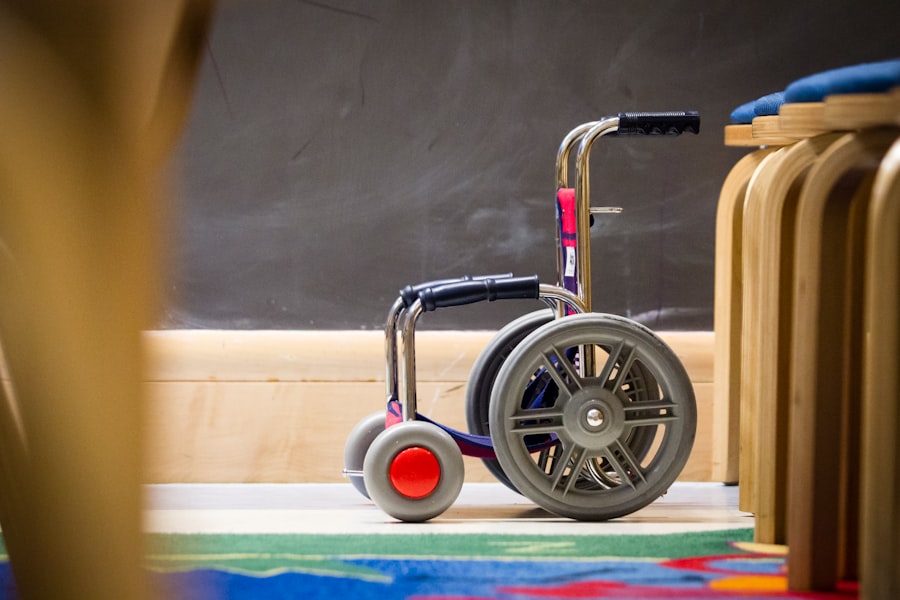
Empowering special needs students requires a multifaceted approach that includes differentiated instruction, personalized learning goals, and fostering self-advocacy skills. Differentiated instruction involves tailoring teaching methods and materials to accommodate the varying abilities and learning styles of students. For example, a teacher might use visual aids, hands-on activities, or technology-based resources to engage students with different learning preferences.
By providing multiple avenues for understanding content, educators can help ensure that all students have the opportunity to succeed. In addition to differentiated instruction, setting personalized learning goals is essential for empowering special needs students. Individualized education plans (IEPs) serve as a roadmap for these goals, outlining specific objectives tailored to each student’s strengths and challenges.
Regularly reviewing and adjusting these goals allows educators to track progress and make necessary modifications to instructional strategies. Furthermore, teaching self-advocacy skills is crucial for helping students understand their own needs and communicate them effectively. This can involve role-playing scenarios where students practice expressing their preferences or seeking assistance when needed.
The Role of Teachers and Support Staff
| Role | Key Responsibilities | Impact on Student Outcomes | Average Time Spent Weekly | Support Required |
|---|---|---|---|---|
| Teacher |
|
High – Direct influence on academic achievement and engagement | 40-50 hours | Professional development, teaching resources, administrative support |
| Teaching Assistant |
|
Moderate – Enhances personalized learning and inclusion | 20-30 hours | Training in special education, clear communication with teachers |
| School Counselor |
|
Moderate – Supports student well-being and motivation | 15-25 hours | Access to mental health resources, collaboration with teachers and parents |
| Administrative Staff |
|
Indirect – Facilitates smooth school operations | 35-40 hours | Efficient management systems, clear protocols |
| Special Education Staff |
|
High – Critical for inclusive education and student success | 30-40 hours | Specialized training, resources for adaptive technologies |
Teachers play a pivotal role in the success of special needs education by serving as advocates, facilitators, and mentors for their students. They are responsible for creating an inclusive classroom environment that promotes engagement and learning for all students. This involves not only adapting lesson plans but also fostering positive relationships with students to build trust and encourage open communication.
Teachers must be attuned to the individual needs of their students, employing strategies that promote both academic achievement and social-emotional development. Support staff, including special education teachers, paraprofessionals, and therapists, are equally vital in this educational landscape. These professionals provide specialized instruction and interventions tailored to meet the unique needs of students with disabilities.
For instance, speech-language pathologists may work with students who have communication difficulties, while occupational therapists help those who require assistance with fine motor skills. Collaboration among teachers and support staff is essential for creating a cohesive educational experience that addresses the diverse needs of all learners.
Creating a Supportive Learning Environment
A supportive learning environment is fundamental to the success of special needs education. Such an environment is characterized by inclusivity, respect, and encouragement, where students feel safe to express themselves and take risks in their learning. Establishing clear expectations and routines can help create a sense of stability for students with special needs, who may thrive in structured settings.
Additionally, incorporating flexible seating arrangements or sensory-friendly spaces can accommodate various sensory needs and promote comfort within the classroom. Moreover, fostering a culture of collaboration among students is crucial for building a supportive learning environment. Group activities that encourage teamwork can help students develop social skills while also promoting peer relationships.
For example, cooperative learning projects allow students to work together towards a common goal, enabling them to learn from one another’s strengths and perspectives. Celebrating individual achievements—no matter how small—can also contribute to a positive atmosphere where all students feel valued and motivated to succeed.
Building Partnerships with Families and Communities

Building strong partnerships with families and communities is essential for enhancing the educational experience of special needs students. Parents and guardians are often the most knowledgeable advocates for their children; their insights can provide valuable information about their child’s strengths, challenges, and preferences. Schools should actively engage families in the educational process by maintaining open lines of communication through regular meetings, progress reports, and workshops that empower parents with knowledge about special education resources.
Community involvement can further enrich the educational experience for special needs students. Collaborating with local organizations, businesses, and service providers can create opportunities for experiential learning and skill development outside the classroom. For instance, partnerships with local vocational training programs can help prepare students for future employment by providing hands-on experiences in real-world settings.
By fostering these connections between home, school, and community, educators can create a comprehensive support network that enhances student outcomes.
Utilizing Technology in Special Needs Education
Technology has become an invaluable tool in special needs education, offering innovative solutions to address diverse learning challenges. Assistive technology devices—such as speech-to-text software, communication boards, or specialized apps—can significantly enhance accessibility for students with disabilities. For example, a student with dyslexia may benefit from text-to-speech software that reads aloud written content, allowing them to engage with reading materials more effectively.
Moreover, technology can facilitate personalized learning experiences through adaptive learning platforms that adjust content based on individual progress. These platforms often provide immediate feedback and allow students to work at their own pace, which can be particularly beneficial for those who may require additional time or support to master certain concepts. Additionally, online resources such as virtual simulations or interactive games can make learning more engaging and enjoyable for special needs students.
Advocating for Policy Changes and Resources
Advocating for policy changes and increased resources is crucial for advancing special needs education on a broader scale. Educators, parents, and community members must work together to raise awareness about the unique challenges faced by students with disabilities and the need for adequate funding and support services. This advocacy can take many forms—ranging from grassroots campaigns to lobbying efforts aimed at influencing local or national legislation.
One significant area of focus is ensuring that schools have access to sufficient resources to implement effective special education programs. This includes funding for professional development opportunities for teachers and support staff so they can stay informed about best practices in special needs education. Additionally, advocating for policies that promote inclusive practices within schools can help create environments where all students have equal access to quality education.
By mobilizing stakeholders at various levels—families, educators, policymakers—advocacy efforts can lead to meaningful changes that enhance educational opportunities for special needs students across the board.