
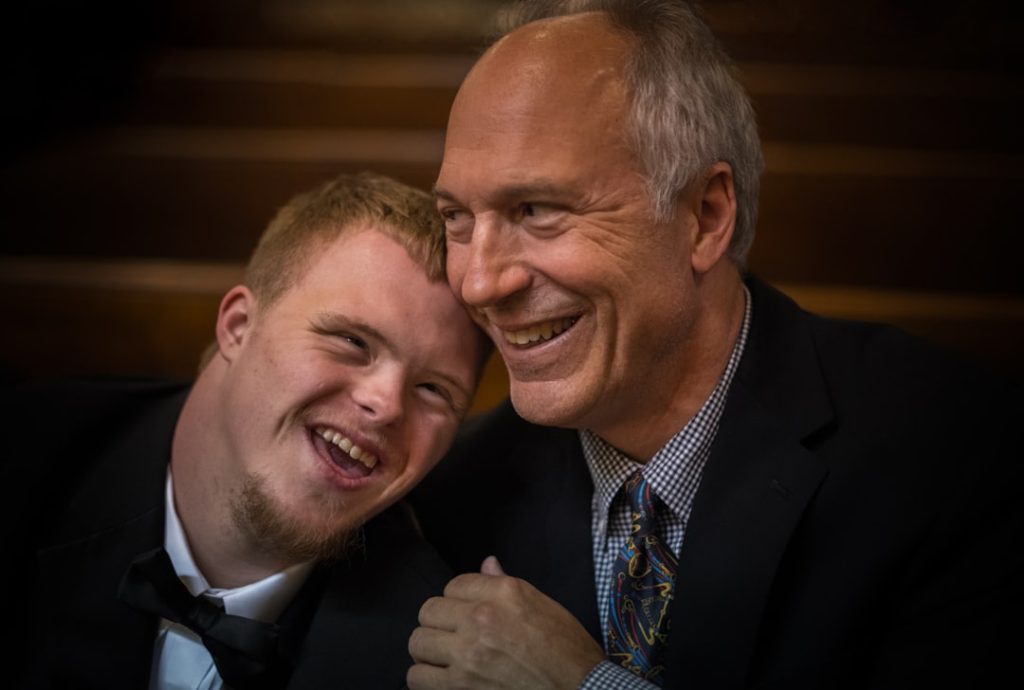
The term “special needs” encompasses a broad spectrum of conditions that affect an individual’s physical, cognitive, emotional, or social development. These conditions can range from learning disabilities and autism spectrum disorders to physical disabilities and chronic health issues. Understanding special needs requires a nuanced approach that recognizes the diversity of experiences among individuals.
Each person with special needs has unique strengths, challenges, and potential, which necessitates tailored support and interventions. For instance, a child with dyslexia may struggle with reading but excel in creative problem-solving, highlighting the importance of recognizing individual capabilities rather than solely focusing on limitations. Moreover, the understanding of special needs is not static; it evolves as society’s perceptions and knowledge expand.

Historically, individuals with disabilities were often marginalized or misunderstood, leading to systemic barriers in education, healthcare, and employment. Today, there is a growing recognition of the need for inclusivity and acceptance. This shift is reflected in legislation such as the Individuals with Disabilities Education Act (IDEA) in the United States, which mandates that children with disabilities receive a free and appropriate public education tailored to their individual needs.
Such legal frameworks are crucial in fostering an environment where individuals with special needs can thrive and contribute meaningfully to society.
Key Takeaways
- Understanding special needs is essential for effective support and inclusion.
- Education and advocacy empower individuals and raise awareness.
- Accessible resources and support systems are crucial for equal opportunities.
- Building inclusive communities fosters acceptance and belonging.
- Adaptive technology enhances independence and employment possibilities.

Education and Advocacy:
Education plays a pivotal role in the lives of individuals with special needs, serving as both a foundation for personal development and a platform for advocacy. Inclusive education practices aim to integrate students with special needs into mainstream classrooms, promoting social interaction and collaboration among peers. This approach not only benefits students with disabilities but also enriches the educational experience for all students by fostering empathy and understanding.
For example, co-teaching models, where general and special education teachers collaborate to support diverse learners, have shown promising results in enhancing academic outcomes and social skills. Advocacy is equally essential in the realm of education for individuals with special needs. Parents, educators, and community members must work together to ensure that the rights of these individuals are upheld.
Organizations such as the National Down Syndrome Society and Autism Speaks provide resources and support for families navigating the educational landscape. These organizations advocate for policy changes that promote inclusive practices and equitable access to quality education. Furthermore, self-advocacy is a critical skill for individuals with special needs, empowering them to articulate their needs and preferences.
Programs that teach self-advocacy skills can significantly enhance an individual’s ability to navigate educational settings and advocate for their rights.
Accessible Resources and Support:

Access to resources and support services is vital for individuals with special needs and their families. These resources can include specialized educational programs, therapy services, and community support groups. For instance, early intervention programs that provide speech therapy or occupational therapy can significantly improve developmental outcomes for young children with disabilities.
Access to such services often hinges on awareness and availability within local communities. Therefore, it is crucial for families to be informed about the resources available to them, including government-funded programs and nonprofit organizations dedicated to supporting individuals with special needs. In addition to traditional support services, technology has revolutionized the way individuals with special needs access information and resources.
Online platforms offer a wealth of information on various disabilities, treatment options, and support networks. Teletherapy has emerged as a valuable resource during times when in-person services may be limited, allowing individuals to receive therapy from the comfort of their homes. Furthermore, social media has become a powerful tool for connecting families and individuals with similar experiences, fostering a sense of community and shared understanding.
By leveraging these accessible resources, families can better navigate the complexities of raising a child with special needs while also advocating for necessary changes within their communities.
Building Inclusive Communities:
| Metric | Description | Example Data | Target Goal |
|---|---|---|---|
| Diversity Index | Measures the representation of different demographic groups within the community | 0.75 (on a scale of 0 to 1) | 0.85 |
| Community Engagement Rate | Percentage of community members participating in local events and initiatives | 62% | 75% |
| Accessibility Score | Assessment of physical and digital accessibility in community spaces | 80/100 | 90/100 |
| Inclusion Training Hours | Average hours of inclusion and diversity training per community leader | 12 hours/year | 20 hours/year |
| Reported Discrimination Incidents | Number of reported incidents related to discrimination or exclusion | 15 incidents/year | 0 incidents |
| Community Satisfaction Rate | Percentage of community members who feel included and valued | 78% | 90% |
Creating inclusive communities is essential for fostering an environment where individuals with special needs can thrive. This involves not only physical accessibility but also social acceptance and understanding. Communities that prioritize inclusivity actively work to eliminate barriers that prevent individuals with disabilities from participating fully in society.
This can include ensuring that public spaces are wheelchair accessible, providing sensory-friendly environments in schools and recreational facilities, and promoting awareness campaigns that educate the public about different disabilities. Moreover, building inclusive communities requires collaboration among various stakeholders, including local governments, businesses, schools, and advocacy organizations. For example, community events that celebrate diversity can help raise awareness about special needs while providing opportunities for individuals with disabilities to showcase their talents and contributions.
Initiatives such as “disability awareness days” or inclusive sports leagues not only promote participation but also foster relationships between individuals with special needs and their peers. By cultivating an atmosphere of acceptance and understanding, communities can empower individuals with disabilities to engage actively in social, cultural, and economic life.
Employment Opportunities:
Employment opportunities for individuals with special needs have historically been limited due to societal misconceptions about their capabilities. However, there is a growing recognition of the value that diverse perspectives bring to the workplace. Many companies are now actively seeking to hire individuals with disabilities as part of their diversity and inclusion initiatives.
Programs such as Project SEARCH provide internships and job training specifically designed for young adults with intellectual disabilities, helping them transition from school to meaningful employment. Employers who embrace inclusivity often find that individuals with special needs bring unique skills and perspectives that enhance workplace culture. For instance, employees on the autism spectrum may possess exceptional attention to detail or strong analytical skills that can be advantageous in fields such as technology or data analysis.
Additionally, creating an inclusive workplace environment benefits all employees by fostering a culture of empathy and collaboration. Training programs that educate staff about disability awareness can help dismantle stereotypes and promote understanding among colleagues.
Adaptive Technology and Tools:

Adaptive technology has transformed the landscape for individuals with special needs by providing innovative solutions that enhance communication, learning, and daily living skills. From speech-generating devices for individuals with speech impairments to software applications designed to assist those with learning disabilities, adaptive technology plays a crucial role in promoting independence. For example, text-to-speech software allows students with dyslexia to access written material more easily, enabling them to participate fully in academic settings.
Moreover, advancements in technology continue to expand the possibilities for individuals with special needs. Wearable devices equipped with sensors can assist individuals with mobility challenges by providing real-time feedback on their movements or alerting caregivers in case of emergencies. Virtual reality (VR) is also being explored as a tool for therapeutic interventions, offering immersive experiences that can help individuals develop social skills or cope with anxiety in controlled environments.
As technology continues to evolve, it holds immense potential for enhancing the quality of life for individuals with special needs.
Promoting Independence and Self-Advocacy:
Promoting independence among individuals with special needs is essential for fostering self-confidence and personal growth. Independence can manifest in various forms, from managing daily tasks to making informed decisions about one’s life. Programs that focus on life skills training equip individuals with the tools they need to navigate everyday challenges successfully.
For instance, teaching budgeting skills or cooking techniques empowers individuals to take charge of their own lives while fostering a sense of accomplishment. Self-advocacy is closely tied to independence; it involves empowering individuals to express their needs, preferences, and rights effectively. Teaching self-advocacy skills can be integrated into educational curricula or community programs aimed at individuals with special needs.
Role-playing scenarios where individuals practice articulating their thoughts or negotiating accommodations can build confidence in their ability to advocate for themselves in various settings. By promoting independence and self-advocacy, society can help individuals with special needs lead fulfilling lives while contributing positively to their communities.
Breaking Stigmas and Stereotypes:
Breaking stigmas surrounding special needs is crucial for fostering an inclusive society where all individuals are valued for their unique contributions. Stereotypes often stem from misinformation or lack of understanding about disabilities; therefore, education plays a vital role in dispelling myths. Public awareness campaigns that highlight the achievements of individuals with disabilities can challenge negative perceptions while showcasing their capabilities.
Media representation also plays a significant role in shaping societal attitudes toward individuals with special needs. Positive portrayals in film, television, and literature can humanize experiences while promoting empathy among audiences. Initiatives that encourage authentic representation—such as casting actors with disabilities in roles that reflect their lived experiences—can further challenge stereotypes while providing visibility to underrepresented voices.
By actively working to break down stigmas and stereotypes, society can create an environment where individuals with special needs are embraced as integral members of the community rather than marginalized or misunderstood.