
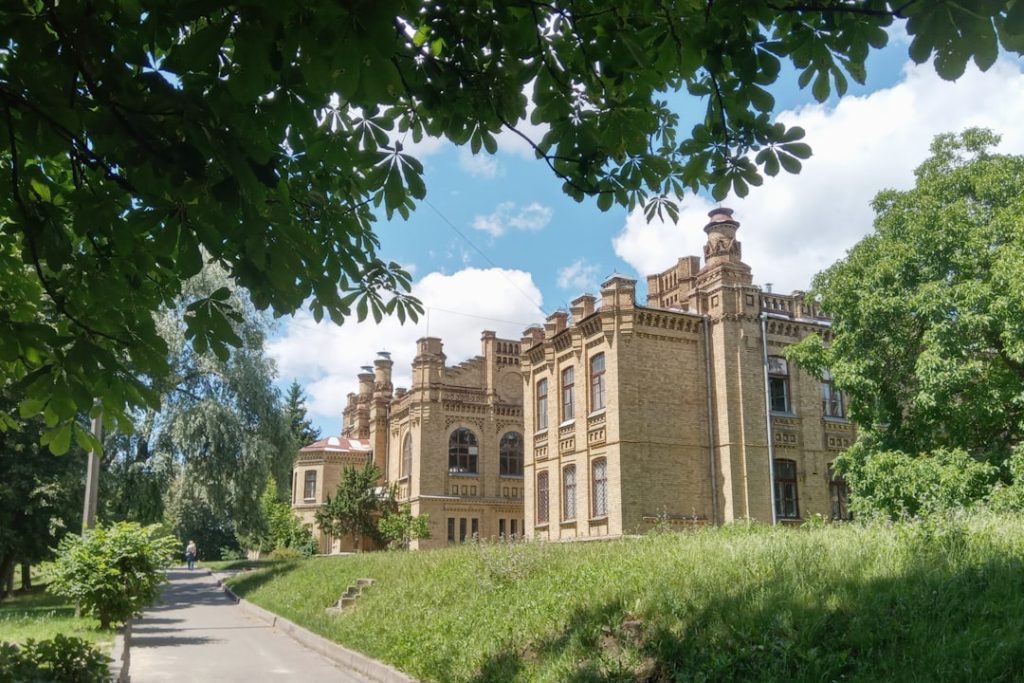
Polytechnic education plays a pivotal role in shaping the workforce of the future by providing students with a practical and applied approach to learning. Unlike traditional universities that often emphasize theoretical knowledge, polytechnic institutions focus on equipping students with the skills and competencies necessary for specific careers. This model of education is particularly relevant in today’s rapidly evolving job market, where employers increasingly seek candidates who can demonstrate not only academic knowledge but also practical skills and problem-solving abilities.
By bridging the gap between theory and practice, polytechnic education prepares students to meet the demands of various industries, ensuring they are job-ready upon graduation. Moreover, polytechnic education fosters a culture of innovation and adaptability. As industries undergo constant transformation due to technological advancements and globalization, the ability to learn and adapt becomes crucial.

Polytechnic institutions often emphasize interdisciplinary learning, encouraging students to explore various fields and develop a versatile skill set. This approach not only enhances employability but also empowers graduates to contribute meaningfully to their communities and the economy. In essence, polytechnic education is not merely about acquiring knowledge; it is about cultivating a mindset geared towards lifelong learning and continuous improvement.
Key Takeaways
- Polytechnic education emphasizes practical skills and industry relevance.
- Hands-on learning provides real-world experience essential for student development.
- Strong partnerships with industry leaders enhance training and job readiness.
- Access to advanced technology and research fosters innovation and expertise.
- Entrepreneurial programs prepare students to create impactful businesses and solutions.
Hands-On Learning and Real-World Experience

One of the defining features of polytechnic education is its commitment to hands-on learning. Students engage in practical experiences that allow them to apply theoretical concepts in real-world scenarios. This experiential learning approach is often facilitated through laboratories, workshops, and simulation environments that mimic actual workplace conditions.
For instance, engineering students might work on projects that involve designing and building prototypes, while healthcare students may participate in clinical rotations that provide direct patient care experience. Such opportunities not only enhance technical skills but also build confidence and competence in students as they prepare for their future careers. Real-world experience is further enriched through internships and cooperative education programs that polytechnic institutions often facilitate.
These programs allow students to work alongside industry professionals, gaining insights into workplace dynamics and expectations. For example, a student studying information technology might intern at a tech company, where they can apply their classroom knowledge to real projects, troubleshoot issues, and collaborate with teams. This exposure not only solidifies their understanding of the subject matter but also helps them develop essential soft skills such as communication, teamwork, and time management—skills that are highly valued by employers across all sectors.
Collaboration with Industry Leaders

Collaboration with industry leaders is a cornerstone of polytechnic education, ensuring that curricula remain relevant and aligned with current industry standards. Polytechnic institutions often establish partnerships with businesses, government agencies, and non-profit organizations to create a symbiotic relationship that benefits both students and employers. These collaborations can take many forms, including advisory boards composed of industry experts who provide input on program development, guest lectures from professionals sharing their experiences, and joint research initiatives that address real-world challenges.
Such partnerships also facilitate networking opportunities for students, connecting them with potential employers even before they graduate. For instance, many polytechnic institutions host career fairs where students can meet representatives from various companies, learn about job openings, and even secure interviews on the spot. Additionally, industry-sponsored projects allow students to work on challenges faced by companies, providing them with invaluable experience while simultaneously offering solutions that can enhance business operations.
This direct engagement with industry not only enriches the educational experience but also significantly boosts the employability of graduates.
Cutting-Edge Technology and Research Opportunities
| Technology/Research Area | Key Metrics | Current Trends | Research Opportunities |
|---|---|---|---|
| Artificial Intelligence (AI) |
|
|
|
| Quantum Computing |
|
|
|
| Biotechnology |
|
|
|
| Renewable Energy Technologies |
|
|
|
Polytechnic institutions are often at the forefront of technological advancements, providing students access to cutting-edge tools and resources that enhance their learning experience. Many polytechnics invest heavily in state-of-the-art laboratories and equipment that reflect the latest developments in various fields. For example, students in fields such as robotics or artificial intelligence may have access to advanced software and hardware that allow them to experiment with innovative technologies.
This exposure not only deepens their understanding of complex concepts but also prepares them for careers in rapidly evolving industries. Research opportunities within polytechnic education are equally significant. Many institutions encourage students to engage in research projects alongside faculty members or industry partners.
This involvement not only fosters critical thinking and analytical skills but also allows students to contribute to advancements in their fields. For instance, a student studying environmental science might participate in research aimed at developing sustainable practices for local industries, thereby making a tangible impact on their community. Such experiences not only enhance academic credentials but also instill a sense of responsibility towards societal challenges.
Entrepreneurial and Innovation Programs
In an era where entrepreneurship is increasingly celebrated as a viable career path, polytechnic institutions are stepping up to nurture the next generation of innovators and business leaders. Many polytechnics offer dedicated programs focused on entrepreneurship, providing students with the knowledge and skills necessary to launch their ventures successfully. These programs often include coursework on business planning, marketing strategies, financial management, and legal considerations for startups.
By equipping students with this foundational knowledge, polytechnics empower them to turn their ideas into viable businesses. Moreover, many polytechnic institutions foster an entrepreneurial ecosystem by providing resources such as incubators and accelerators that support student-led startups. These facilities often offer mentorship from experienced entrepreneurs, access to funding opportunities, and networking events that connect aspiring business owners with potential investors.
For example, a student with a groundbreaking idea for a tech application might receive guidance on how to develop a prototype, conduct market research, and pitch their concept to investors. This hands-on support not only enhances the likelihood of success for student entrepreneurs but also contributes to local economic development by fostering innovation.
Career-Ready Graduates

The ultimate goal of polytechnic education is to produce career-ready graduates who can seamlessly transition into the workforce. By emphasizing practical skills alongside academic knowledge, polytechnics ensure that their graduates possess the competencies required by employers across various sectors. This focus on employability is reflected in the curriculum design, which often incorporates industry-relevant projects, internships, and collaborative learning experiences that mirror workplace expectations.
Employers frequently express satisfaction with the preparedness of polytechnic graduates, noting their ability to contribute effectively from day one. For instance, graduates from engineering programs are often praised for their hands-on experience with tools and technologies used in the field, making them valuable assets to engineering firms immediately upon hiring. Additionally, the emphasis on soft skills such as communication and teamwork further enhances graduates’ appeal to employers who seek well-rounded individuals capable of thriving in collaborative environments.
Global Perspective and Cultural Diversity
In an increasingly interconnected world, polytechnic education recognizes the importance of fostering a global perspective among students. Many institutions actively promote international collaboration through exchange programs, partnerships with foreign universities, and opportunities for students to engage in global projects. Such experiences expose students to diverse cultures and perspectives, enriching their educational journey while preparing them for careers in a globalized economy.
Cultural diversity within polytechnic institutions also enhances the learning environment by encouraging dialogue and collaboration among students from various backgrounds. This diversity fosters creativity and innovation as students bring unique viewpoints to problem-solving discussions. For example, a group project involving students from different countries may lead to innovative solutions that draw on a wide range of cultural insights and experiences.
By cultivating an inclusive atmosphere that values diversity, polytechnic education prepares graduates to work effectively in multicultural teams—a crucial skill in today’s global job market.
Alumni Success and Impact on Society
The success of polytechnic graduates is often reflected in their contributions to society and the economy. Many alumni go on to achieve remarkable accomplishments in their respective fields, becoming leaders who drive innovation and change within their industries. Their success stories serve as powerful testimonials to the effectiveness of polytechnic education in preparing individuals for meaningful careers.
Furthermore, alumni often give back to their communities by mentoring current students or supporting initiatives that promote education and skill development. For instance, successful entrepreneurs may establish scholarships or funding programs for aspiring students within their alma mater, creating pathways for future generations to access quality education. This cycle of success not only enhances the reputation of polytechnic institutions but also reinforces their role as vital contributors to societal progress.
In conclusion, polytechnic education stands as a critical pillar in developing a skilled workforce equipped for the challenges of modern society. Through hands-on learning experiences, collaboration with industry leaders, access to cutting-edge technology, entrepreneurial support programs, and a commitment to diversity and global perspectives, polytechnics prepare graduates who are not only career-ready but also poised to make significant contributions to their communities and beyond. The impact of alumni success further underscores the transformative power of this educational model in shaping individuals who drive innovation and societal advancement.
