

Technical schools, often referred to as vocational or trade schools, are educational institutions that focus on providing students with practical skills and training for specific careers. Unlike traditional four-year colleges and universities, which typically emphasize a broad-based education, technical schools are designed to equip students with the hands-on experience and specialized knowledge necessary to enter the workforce in a particular field. These institutions offer programs that range from automotive technology and culinary arts to healthcare and information technology, catering to a diverse array of interests and career paths.
The curriculum at technical schools is often more condensed than that of traditional colleges, allowing students to complete their training in a shorter time frame. Many programs can be completed in one to two years, making it an attractive option for those eager to enter the job market quickly. Additionally, technical schools often have strong ties to local industries, which can facilitate internships and job placements for students.

This focus on practical skills and industry connections makes technical schools a vital component of the educational landscape, particularly for those seeking immediate employment opportunities.
Key Takeaways
- Technical schools provide specialized training focused on practical skills for specific careers.
- Attending a technical school offers benefits like shorter programs, hands-on learning, and cost-effectiveness.
- Finding nearby technical schools involves researching local options and exploring program offerings.
- Financial aid and scholarships are available to help reduce the cost of technical school education.
- Graduates from technical schools have strong career opportunities in various skilled trades and industries.
Benefits of Attending a Technical School

One of the primary benefits of attending a technical school is the emphasis on hands-on learning. Students engage in practical training that mirrors real-world scenarios, allowing them to develop the skills necessary for their chosen profession. For instance, a student in an automotive technology program will spend significant time working on actual vehicles, gaining experience that is directly applicable to their future job.
This experiential learning approach not only enhances skill acquisition but also boosts confidence as students become proficient in their craft. Another significant advantage is the cost-effectiveness of technical education. Tuition rates at technical schools are generally lower than those at traditional colleges, making it a more affordable option for many students.
Additionally, the shorter duration of programs means that students can enter the workforce sooner, reducing the overall cost of education. Many technical schools also offer flexible scheduling options, including evening and weekend classes, which can accommodate working students or those with other commitments. This accessibility allows a broader range of individuals to pursue vocational training without sacrificing their current responsibilities.
How to Find Nearby Technical Schools
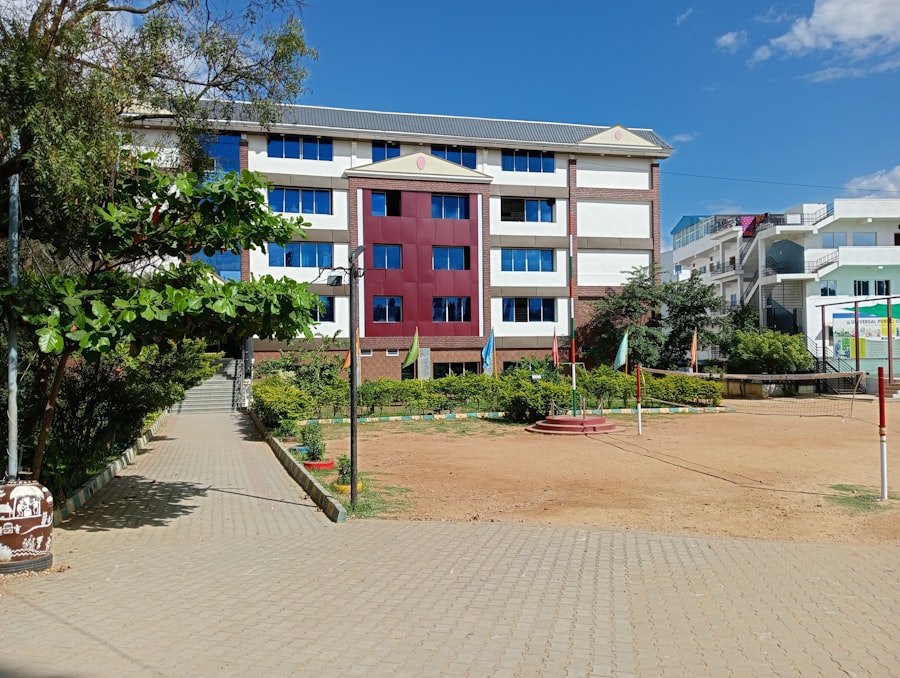
Finding nearby technical schools can be accomplished through various methods, each offering unique advantages. One effective approach is to utilize online resources such as search engines and educational directories. Websites like the National Center for Education Statistics (NCES) provide comprehensive databases of educational institutions, including technical schools.
By entering your location and desired program of study, you can generate a list of nearby options that meet your criteria. In addition to online searches, local community colleges often have vocational programs or can provide information about nearby technical schools. Community colleges serve as valuable resources for prospective students, offering guidance on program offerings, admission requirements, and financial aid options.
Furthermore, visiting local career fairs or industry expos can connect you with representatives from various technical schools, allowing you to gather information firsthand and ask questions about specific programs and opportunities.
What Programs Do Nearby Technical Schools Offer?
| Technical School | Program Name | Duration | Certification/Degree | Key Skills Taught |
|---|---|---|---|---|
| City Tech Institute | Computer Networking | 9 months | Certificate | Network setup, Security, Troubleshooting |
| Metro Technical College | Automotive Technology | 12 months | Diploma | Engine repair, Diagnostics, Electrical systems |
| Northside Technical School | Welding Technology | 6 months | Certificate | MIG, TIG, Arc welding techniques |
| East Valley Tech | Medical Assistant | 10 months | Certificate | Patient care, Medical billing, Phlebotomy |
| West End Technical College | HVAC Technician | 8 months | Certificate | Heating, Ventilation, Air conditioning repair |
Technical schools offer a wide range of programs tailored to meet the demands of various industries. Common fields of study include healthcare, where students can pursue certifications in nursing, medical assisting, or dental hygiene. These programs often include clinical components that provide real-world experience in healthcare settings, preparing graduates for immediate employment in hospitals, clinics, or private practices.
Another popular area of study is information technology (IT), where students can learn about computer networking, cybersecurity, and software development. With the increasing reliance on technology across all sectors, IT professionals are in high demand. Technical schools often collaborate with local businesses to ensure their curriculum aligns with industry needs, providing students with relevant skills that enhance their employability upon graduation.
Additionally, skilled trades such as plumbing, electrical work, and carpentry are commonly offered at technical schools. These programs typically include apprenticeships or hands-on training opportunities that allow students to work alongside experienced professionals in the field. This not only helps students develop their skills but also builds valuable networks within their chosen industry.
Visiting Nearby Technical Schools: What to Expect
Visiting a technical school can provide invaluable insights into the institution’s culture, facilities, and program offerings. During a campus visit, prospective students can tour classrooms and labs where they will receive instruction and hands-on training. This firsthand experience allows them to assess whether the environment aligns with their learning style and career goals.
In addition to touring facilities, visitors often have the opportunity to meet with instructors and current students. Engaging with faculty members can provide insights into teaching methodologies and curriculum structure, while conversations with current students can offer perspectives on the overall experience at the school. Many technical schools also host open houses or information sessions where prospective students can learn about admissions processes, financial aid options, and job placement services.
Moreover, some technical schools may offer trial classes or workshops that allow prospective students to experience a sample of what they would learn in their chosen program. Participating in these activities can help individuals gauge their interest in a particular field and make informed decisions about their educational path.
Financial Aid and Scholarships for Technical Schools

Financing education at a technical school is an important consideration for many prospective students. Fortunately, various financial aid options are available to help alleviate the burden of tuition costs. Federal financial aid programs, such as Pell Grants and federal student loans, are accessible to eligible students attending accredited technical schools.
Completing the Free Application for Federal Student Aid (FAFSA) is a crucial step in determining eligibility for these funds. In addition to federal aid, many technical schools offer their own scholarships based on merit or financial need. These scholarships can significantly reduce tuition costs and make vocational training more accessible.
Prospective students should inquire about scholarship opportunities during their campus visits or through the school’s financial aid office. State-funded programs may also provide financial assistance for students pursuing vocational training. Many states have initiatives aimed at promoting workforce development by offering grants or scholarships specifically for technical education.
Researching these state-level resources can uncover additional funding opportunities that may not be widely advertised.
Career Opportunities After Graduating from a Technical School
Graduating from a technical school opens up numerous career opportunities across various industries. The practical skills acquired during training often lead to immediate employment upon graduation. For example, graduates from healthcare programs may find positions as certified nursing assistants or medical assistants in hospitals or clinics shortly after completing their studies.
In the skilled trades sector, individuals who complete programs in plumbing or electrical work may enter apprenticeship programs that lead to full-time employment as licensed professionals. The demand for skilled tradespeople remains high due to ongoing construction projects and infrastructure needs across many regions. Moreover, graduates from information technology programs can pursue roles such as network administrators or cybersecurity analysts in various sectors ranging from finance to healthcare.
The versatility of technical training allows graduates to explore diverse career paths within their field of study while also providing opportunities for advancement through additional certifications or specialized training.
Tips for Choosing the Right Technical School
Selecting the right technical school is a critical decision that can significantly impact one’s educational experience and career trajectory. Prospective students should begin by identifying their career goals and researching schools that offer programs aligned with those aspirations. It is essential to consider factors such as program accreditation, faculty qualifications, and industry partnerships when evaluating potential institutions.
Visiting campuses and engaging with current students and faculty can provide valuable insights into the school’s culture and support services. Prospective students should also inquire about job placement rates for graduates in their desired field; high placement rates often indicate strong industry connections and effective career services. Additionally, considering logistical factors such as location, class schedules, and tuition costs is crucial in making an informed decision.
Some individuals may prioritize proximity to home or flexible scheduling options that accommodate work or family commitments. By carefully weighing these factors and conducting thorough research, prospective students can choose a technical school that best fits their needs and sets them on a path toward successful career outcomes.
