

K-12 education serves as the foundational framework for a child’s academic journey, encompassing kindergarten through the 12th grade. This system is designed to provide a comprehensive education that prepares students not only for higher education but also for life beyond the classroom. The K-12 model is prevalent in many countries, including the United States, where it has evolved to meet the diverse needs of a growing population.
The curriculum typically includes a blend of core subjects such as mathematics, science, language arts, and social studies, alongside opportunities for physical education and the arts. This holistic approach aims to cultivate well-rounded individuals equipped with the knowledge and skills necessary to navigate an increasingly complex world. The significance of K-12 education extends beyond mere academic instruction; it plays a crucial role in shaping a child’s identity and worldview.
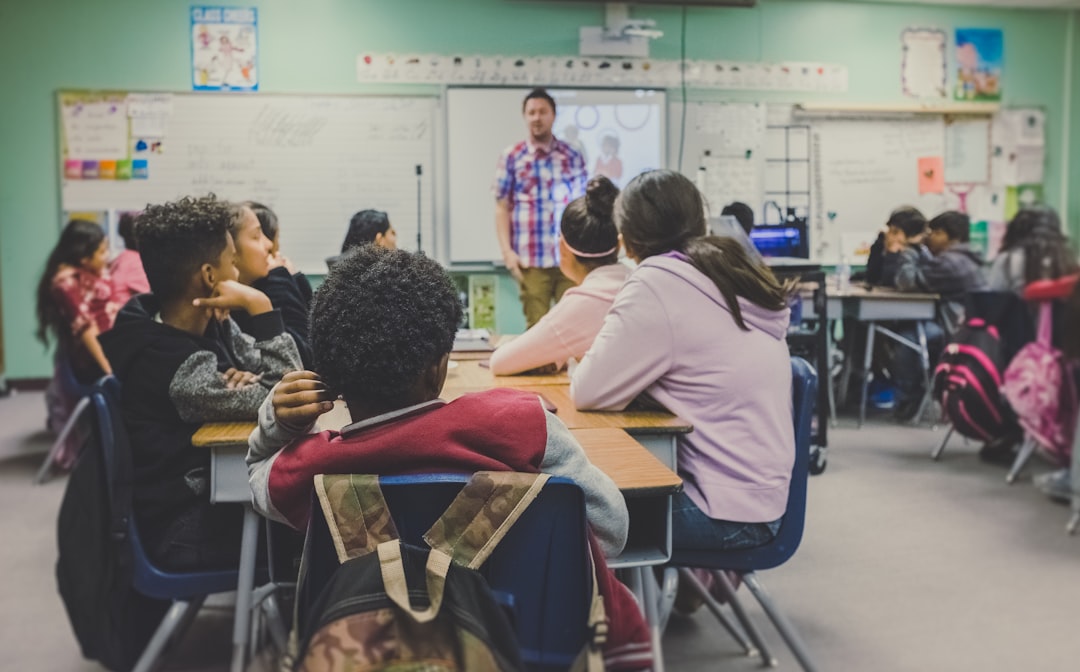
As students progress through these formative years, they encounter various experiences that influence their social interactions, emotional development, and personal values. The K-12 system is not just about imparting knowledge; it is also about fostering critical life skills and preparing students to become active participants in their communities. In this context, K-12 education serves as a vital stepping stone toward achieving personal and professional aspirations.
Key Takeaways
- K-12 education lays the foundation for academic and personal growth.
- It supports social and emotional development alongside skill acquisition.
- Prepares students for higher education and future career opportunities.
- Encourages critical thinking, problem-solving, and diverse interests.
- Aims to develop well-rounded, responsible, and lifelong learners.
Academic Achievement and Skill Development

Academic achievement within the K-12 framework is often measured through standardized tests, grades, and overall performance in various subjects. However, true academic success encompasses more than just numerical scores; it involves the development of essential skills that students will carry with them throughout their lives. For instance, critical thinking, analytical reasoning, and effective communication are all cultivated through rigorous academic programs.
These skills are not only vital for excelling in higher education but are also highly sought after by employers in the modern workforce. Moreover, K-12 education emphasizes the importance of skill development through project-based learning and collaborative activities. Students engage in hands-on projects that require them to apply theoretical knowledge to real-world situations.
For example, a science class might involve conducting experiments that illustrate fundamental principles, while a history project could require students to research and present on significant events. Such experiences not only reinforce academic concepts but also enhance problem-solving abilities and foster teamwork. By integrating skill development into the curriculum, K-12 education prepares students for the challenges they will face in both their academic and professional lives.
Social and Emotional Development

The social and emotional development of students is a critical aspect of K-12 education that often receives less attention than academic achievement. Schools serve as social environments where children learn to interact with peers, navigate relationships, and develop empathy. Through group activities, team sports, and collaborative projects, students gain valuable interpersonal skills that are essential for success in both personal and professional contexts.
These experiences help children understand the importance of cooperation, respect, and communication in building healthy relationships. In addition to fostering social skills, K-12 education plays a pivotal role in supporting emotional development. Schools increasingly recognize the importance of mental health and well-being, implementing programs that promote emotional intelligence and resilience.
For instance, many institutions have adopted social-emotional learning (SEL) curricula that teach students how to manage their emotions, set goals, and make responsible decisions. By addressing emotional health alongside academic performance, K-12 education creates a more balanced approach to student development, ensuring that children are not only knowledgeable but also emotionally equipped to handle life’s challenges.
Preparation for Higher Education and Career Success
| Metric | Description | Typical Value / Range | Importance for Higher Education and Career Success |
|---|---|---|---|
| High School GPA | Grade Point Average during high school years | 2.0 – 4.0 scale | Indicator of academic readiness and eligibility for college admission |
| SAT/ACT Scores | Standardized test scores used for college admissions | SAT: 400-1600, ACT: 1-36 | Measures college readiness and can impact scholarship opportunities |
| Advanced Placement (AP) Courses Taken | Number of AP courses completed in high school | 0 – 10+ | Demonstrates ability to handle college-level coursework |
| Extracurricular Activities | Participation in clubs, sports, volunteer work, etc. | Varies widely | Develops soft skills and leadership, valued by colleges and employers |
| Career Counseling Sessions | Number of sessions attended with a career counselor | 0 – 10+ | Helps students identify career goals and plan educational paths |
| Internship/Work Experience | Duration of relevant work or internship experience | 0 – 12+ months | Provides practical skills and enhances employability |
| College Enrollment Rate | Percentage of high school graduates enrolling in college | 50% – 70% | Reflects success in transitioning to higher education |
| Graduation Rate (College) | Percentage of students completing college within 4-6 years | 40% – 60% | Indicates persistence and success in higher education |
| Employment Rate Post-Graduation | Percentage of graduates employed within 6 months | 60% – 85% | Measures career success and job market readiness |
| Average Starting Salary | Median salary of graduates in their first job | Varies by field and region | Indicator of economic success and return on education investment |
One of the primary objectives of K-12 education is to prepare students for higher education and future career opportunities. As students progress through their schooling, they are exposed to various subjects that help them identify their interests and strengths. High school curricula often include advanced placement (AP) courses or dual enrollment programs that allow students to earn college credits while still in high school.
This exposure not only enhances their academic profiles but also provides a glimpse into the rigors of college-level coursework. Furthermore, K-12 education increasingly emphasizes career readiness by integrating vocational training and career exploration into the curriculum. Many schools offer programs that allow students to gain practical experience in fields such as healthcare, technology, or the arts.
For example, students might participate in internships or job shadowing opportunities that provide insight into potential career paths. By equipping students with both academic knowledge and practical skills, K-12 education ensures that they are well-prepared for the demands of higher education and the workforce.
Exposure to a Variety of Subjects and Extracurricular Activities
A hallmark of K-12 education is its commitment to providing students with exposure to a diverse array of subjects and extracurricular activities. This breadth of experience is crucial for fostering well-rounded individuals who can think critically across disciplines. In addition to core subjects like math and science, students often have the opportunity to explore foreign languages, art, music, and physical education.
Such exposure allows them to discover new interests and talents that may shape their future educational and career choices. Extracurricular activities further enrich the K-12 experience by offering avenues for personal growth outside the traditional classroom setting. Participation in clubs, sports teams, or community service projects encourages students to develop leadership skills, teamwork abilities, and a sense of responsibility.
For instance, a student involved in a debate club may enhance their public speaking skills while also learning how to construct persuasive arguments. These experiences not only contribute to personal development but also help students build a sense of belonging within their school community.
Building Critical Thinking and Problem-Solving Skills

Critical thinking and problem-solving are essential competencies that K-12 education seeks to instill in students from an early age. The ability to analyze information critically and approach problems methodically is invaluable in today’s fast-paced world. Educators employ various teaching strategies designed to promote these skills, such as inquiry-based learning and Socratic questioning.
By encouraging students to ask questions and explore multiple perspectives on a topic, teachers foster an environment where critical thinking can flourish. Moreover, real-world problem-solving scenarios are often integrated into the curriculum to provide students with practical applications of their learning. For example, math classes may involve solving complex problems related to budgeting or engineering projects that require creative solutions.
Such hands-on experiences not only reinforce academic concepts but also empower students to think independently and develop innovative solutions to challenges they may encounter in their lives.
Fostering a Lifelong Love for Learning
K-12 education plays a pivotal role in fostering a lifelong love for learning by creating an engaging and stimulating environment for students. When educators employ diverse teaching methods—such as interactive lessons, technology integration, and experiential learning—they capture students’ interest and inspire curiosity. This enthusiasm for learning can lead to a desire for continuous personal growth beyond formal education settings.
Additionally, cultivating a growth mindset is essential in nurturing a love for learning. Educators encourage students to view challenges as opportunities for growth rather than obstacles to success. By celebrating effort over innate ability and emphasizing the value of perseverance, schools help instill resilience in students.
This mindset not only enhances academic performance but also encourages individuals to seek knowledge throughout their lives—whether through formal education or self-directed exploration.
Creating Well-Rounded and Responsible Citizens
Ultimately, K-12 education aims to create well-rounded individuals who are not only academically proficient but also socially responsible citizens. Schools play a crucial role in instilling values such as respect, integrity, and civic responsibility in their students. Through community service initiatives and discussions about social issues, educators encourage students to engage with their communities actively and understand their roles as global citizens.
Moreover, K-12 education emphasizes the importance of diversity and inclusion by exposing students to different cultures and perspectives. This exposure fosters empathy and understanding among peers from various backgrounds, preparing them for an increasingly interconnected world. By promoting social responsibility alongside academic achievement, K-12 education equips students with the tools they need to contribute positively to society while pursuing their personal goals.
In summary, K-12 education serves as a multifaceted foundation for personal growth and development. It encompasses academic achievement, social-emotional growth, preparation for future endeavors, exposure to diverse subjects, critical thinking skills, a love for learning, and responsible citizenship—all essential components for thriving in today’s complex world.
