
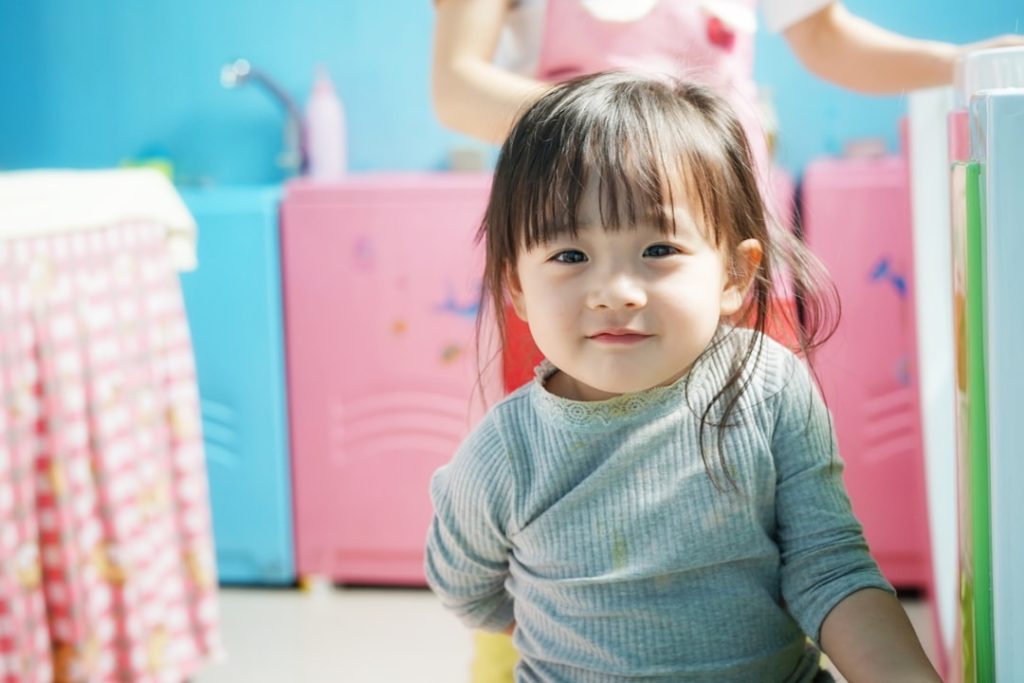
Preschool education serves as a critical foundation for children’s lifelong learning and development. It typically caters to children aged three to five years, a period characterized by rapid growth and exploration. During these formative years, children are introduced to structured learning environments that foster curiosity, creativity, and social interaction.
The curriculum in preschool is designed to be engaging and playful, allowing children to learn through hands-on experiences and guided play. This approach not only nurtures their innate desire to learn but also prepares them for the more formal educational settings they will encounter in later years. The significance of preschool education extends beyond mere academic preparation; it encompasses a holistic approach to child development.

Research has consistently shown that early childhood education can have profound effects on a child’s future. For instance, children who attend high-quality preschool programs are more likely to perform better academically in elementary school and beyond. They also tend to exhibit better social skills and emotional regulation.
As society increasingly recognizes the importance of early education, many communities are investing in accessible preschool programs, ensuring that all children have the opportunity to benefit from this crucial stage of development.
Key Takeaways
- Preschool education lays the foundation for lifelong learning and development.
- It supports social and emotional growth crucial for interpersonal skills.
- Cognitive and language skills are significantly enhanced during preschool years.
- Early exposure to diversity fosters inclusion and broadens perspectives.
- Preschool prepares children for kindergarten, boosting independence and confidence.
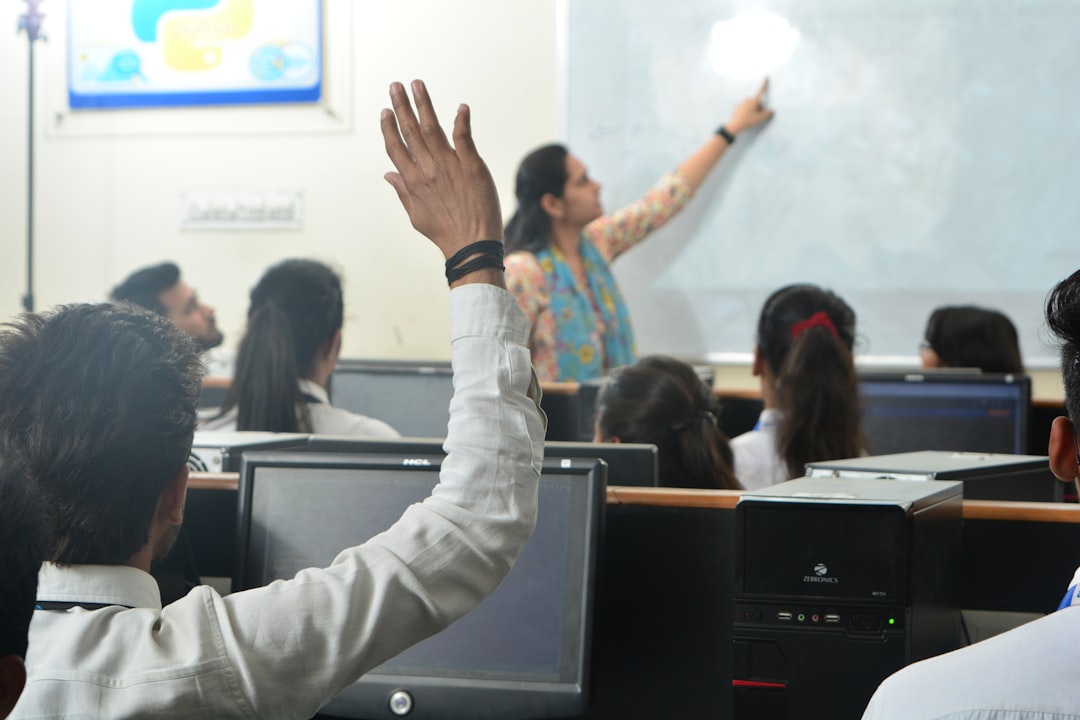
Social and Emotional Development
One of the most vital aspects of preschool education is its emphasis on social and emotional development. During these early years, children learn to navigate their feelings and understand the emotions of others, which is essential for building healthy relationships. In a preschool setting, children engage in group activities that require cooperation, sharing, and conflict resolution.
For example, when children work together on a project or play a game, they learn to negotiate roles, express their needs, and empathize with their peers. These interactions help them develop essential social skills that will serve them throughout their lives. Moreover, preschool provides a safe environment for children to explore their emotions.
Educators often incorporate activities that encourage self-expression, such as storytelling, art projects, and role-playing. Through these activities, children can articulate their feelings and learn to manage them effectively. For instance, a child who feels frustrated during a group activity may be guided by a teacher to express that frustration verbally rather than through negative behavior.
This process not only helps the child develop emotional intelligence but also fosters resilience, enabling them to cope with challenges in a constructive manner.
Cognitive Development
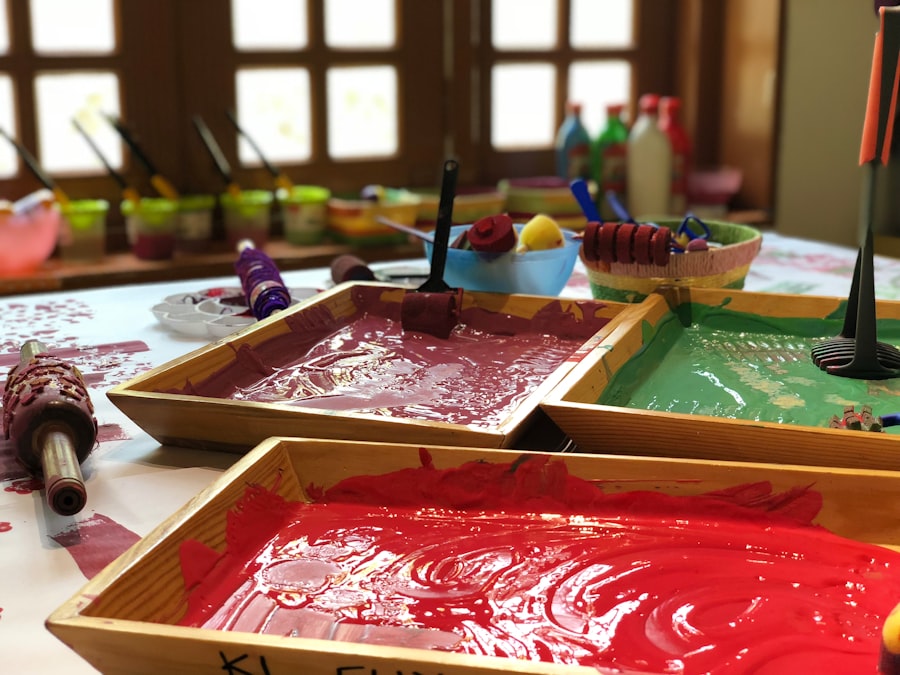
Cognitive development is another cornerstone of preschool education, as it lays the groundwork for critical thinking and problem-solving skills. During this stage, children are naturally curious about the world around them, and preschool provides the perfect environment for them to explore and learn. Activities such as puzzles, sorting games, and simple science experiments stimulate cognitive growth by encouraging children to think critically and make connections between concepts.
For example, when children engage in a hands-on activity like building with blocks, they not only learn about spatial relationships but also develop their reasoning skills as they figure out how to create stable structures. Additionally, preschool education introduces foundational concepts in mathematics and literacy in a playful manner. Children may participate in counting games or rhyming activities that enhance their numerical and phonemic awareness without the pressure of formal instruction.
This playful approach helps demystify complex concepts and fosters a love for learning. Research indicates that early exposure to math and literacy significantly impacts later academic success; thus, preschool serves as an essential stepping stone in developing these critical cognitive skills.
Language and Communication Skills
| Skill | Metric | Description | Average Score | Improvement Tips |
|---|---|---|---|---|
| Vocabulary | Word Recognition | Ability to recognize and understand words | 85% | Read diverse materials daily |
| Grammar | Sentence Accuracy | Correct use of grammar in sentences | 78% | Practice grammar exercises regularly |
| Listening | Comprehension Rate | Understanding spoken language | 82% | Engage in active listening activities |
| Speaking | Fluency | Ability to speak smoothly and clearly | 75% | Participate in conversations and practice speaking |
| Reading | Reading Speed | Words read per minute | 200 wpm | Practice timed reading sessions |
| Writing | Coherence | Logical flow and clarity in writing | 80% | Outline ideas before writing |
Language acquisition is a fundamental component of preschool education, as it equips children with the tools they need to express themselves effectively. During this stage, children experience rapid growth in their vocabulary and language comprehension. Preschool educators play a crucial role in facilitating this development by providing rich language experiences through storytelling, songs, and interactive discussions.
For instance, reading aloud to children not only introduces them to new words but also enhances their listening skills and comprehension abilities. Engaging children in conversations about the stories they hear encourages them to think critically about the content and articulate their thoughts. Moreover, preschool environments often promote peer interactions that further enhance language skills.
Children are encouraged to communicate with one another during playtime or group activities, which fosters conversational skills and turn-taking. This social aspect of language development is vital; it helps children learn how to express their ideas clearly while also being attentive listeners. As they navigate these interactions, they gain confidence in their communication abilities, setting the stage for effective expression in both academic settings and everyday life.
Preparation for Kindergarten
Preschool education plays an instrumental role in preparing children for the transition to kindergarten. This preparation encompasses not only academic readiness but also social and emotional skills that are crucial for success in a more structured environment. Many preschools incorporate activities that mirror kindergarten routines, such as circle time, structured lessons, and independent work periods.
By familiarizing children with these practices, educators help ease the transition into formal schooling. For example, children may practice following directions from a teacher or participating in group discussions—skills that will be essential in kindergarten. In addition to academic readiness, preschool also emphasizes the importance of self-regulation and independence.
Children learn how to manage their time effectively during activities and take responsibility for their belongings. These skills are vital as they prepare to navigate the more demanding environment of kindergarten. For instance, being able to independently put on their coats or manage their lunchboxes fosters a sense of autonomy that boosts children’s confidence as they enter a new educational phase.
Independence and Self-Confidence

Fostering independence is a key objective of preschool education, as it empowers children to take initiative and make choices in their learning experiences. In a preschool setting, children are often given opportunities to select activities that interest them or decide how they want to approach a task. This autonomy encourages them to explore their interests while developing decision-making skills.
For example, during free playtime, a child might choose between building with blocks or engaging in dramatic play; this choice not only reflects their preferences but also nurtures their ability to make independent decisions. As children gain independence through these experiences, they also build self-confidence. When they successfully complete tasks or overcome challenges—such as solving a puzzle or sharing toys with peers—they experience a sense of accomplishment that reinforces their belief in their abilities.
Educators play a crucial role in this process by providing positive reinforcement and encouragement. Celebrating small achievements helps children recognize their strengths and fosters a growth mindset that will benefit them throughout their educational journey.
Early Exposure to Diversity and Inclusion
Preschool education often serves as one of the first environments where children encounter diversity in various forms—cultural backgrounds, family structures, abilities, and perspectives. Exposure to diversity at an early age is essential for fostering empathy and understanding among young learners. Many preschools incorporate multicultural themes into their curriculum through stories, music, art projects, and celebrations of different cultural holidays.
For instance, introducing children to books featuring characters from diverse backgrounds can spark discussions about differences and similarities among people. In addition to cultural diversity, preschools also promote inclusion by accommodating children with varying abilities. Educators are trained to create inclusive environments where all children feel valued and supported.
This may involve adapting activities so that every child can participate meaningfully or providing additional resources for those who need extra assistance. By learning alongside peers with different abilities and backgrounds, children develop an appreciation for diversity that shapes their worldview and prepares them for an increasingly interconnected society.
Long-Term Academic Success
The benefits of preschool education extend far beyond the immediate classroom experience; they have lasting implications for long-term academic success. Numerous studies have demonstrated that children who attend high-quality preschool programs are more likely to excel academically throughout their educational careers. They tend to perform better on standardized tests, have higher graduation rates, and are more likely to pursue higher education compared to their peers who did not attend preschool.
The skills acquired during preschool—such as social-emotional competencies, cognitive abilities, language proficiency, and independence—contribute significantly to this success trajectory. For instance, strong language skills developed in preschool can lead to better reading comprehension in later grades, while social-emotional skills foster resilience in facing academic challenges. Furthermore, early exposure to diverse perspectives cultivates critical thinking skills that are essential for navigating complex problems in higher education and beyond.
As such, investing in quality preschool education is not merely an investment in individual children; it is an investment in the future workforce and society as a whole.