

The Dhaka Education Board, established in 1961, serves as a pivotal institution in the educational landscape of Bangladesh, particularly in the capital city of Dhaka. It is responsible for overseeing the administration of secondary and higher secondary education in the region, ensuring that educational standards are maintained and that students receive a quality education. The board plays a crucial role in formulating policies, conducting examinations, and managing the curriculum for schools under its jurisdiction.
With a diverse population and a rapidly growing urban environment, the Dhaka Education Board faces unique challenges and opportunities in its mission to provide quality education to all students. The board’s responsibilities extend beyond mere administration; it also involves the continuous assessment of educational practices and outcomes. This includes monitoring school performance, evaluating teaching methodologies, and implementing reforms to enhance the overall educational experience.

The Dhaka Education Board is not only a regulatory body but also a facilitator of educational development, striving to adapt to the changing needs of society and the economy. As Bangladesh continues to evolve, the board’s role becomes increasingly significant in shaping the future of education in Dhaka.
Key Takeaways
- Dhaka Education Board faces significant challenges including resource limitations and infrastructure issues.
- The board has launched initiatives focused on improving education quality and accessibility.
- Collaboration with various stakeholders is key to advancing the education sector in Dhaka.
- Innovative teaching methods are being implemented to enhance student learning experiences.
- Future plans emphasize inclusivity, better infrastructure, and sustainable educational development.
Challenges in the Education System in Dhaka
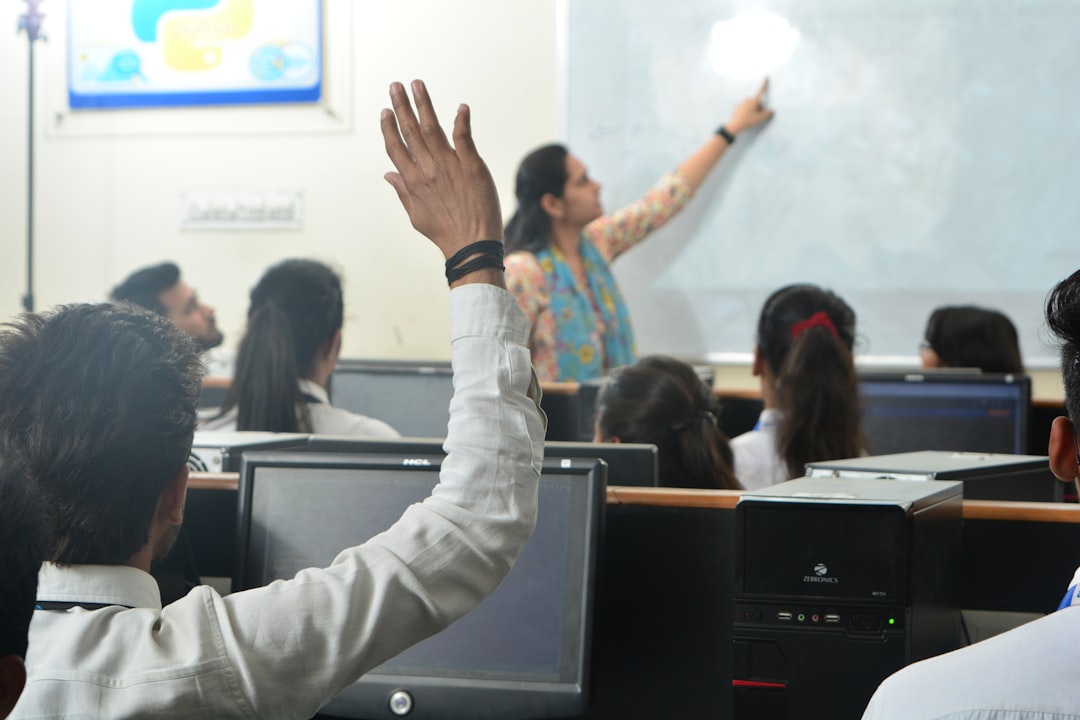
The education system in Dhaka faces numerous challenges that hinder its effectiveness and accessibility. One of the most pressing issues is overcrowding in schools. With a burgeoning population, many educational institutions are unable to accommodate the increasing number of students.
Classrooms often exceed their intended capacity, leading to an environment where individual attention from teachers is limited. This overcrowding can negatively impact student learning outcomes, as teachers struggle to manage large groups and provide personalized instruction. Another significant challenge is the disparity in educational quality across different socio-economic groups.
While some schools in affluent areas may have access to better resources, trained teachers, and modern facilities, those in less privileged neighborhoods often lack basic amenities. This inequality perpetuates a cycle of disadvantage, where students from lower-income families are less likely to succeed academically. Furthermore, the curriculum often does not align with the skills needed in the modern workforce, leaving students ill-prepared for future employment opportunities.
Addressing these disparities is crucial for creating a more equitable education system in Dhaka.
Initiatives by Dhaka Education Board to Improve Education
In response to the challenges faced by the education system, the Dhaka Education Board has launched several initiatives aimed at improving educational quality and accessibility. One notable initiative is the introduction of digital learning platforms that provide students with access to a wealth of online resources. These platforms not only offer supplementary materials for students but also enable teachers to incorporate technology into their lesson plans, fostering a more engaging learning environment.
By embracing digital tools, the board aims to enhance student engagement and facilitate personalized learning experiences. Additionally, the board has implemented teacher training programs designed to equip educators with modern pedagogical skills and strategies. Recognizing that effective teaching is fundamental to student success, these programs focus on innovative teaching methods, classroom management techniques, and assessment strategies.
By investing in professional development for teachers, the Dhaka Education Board seeks to elevate the overall quality of instruction across schools. This initiative is particularly important in a rapidly changing educational landscape where traditional teaching methods may no longer suffice.
Collaboration with Stakeholders in the Education Sector
| Metric | Description | Value | Unit | Source |
|---|---|---|---|---|
| Number of Stakeholder Meetings | Count of formal meetings held with education sector stakeholders | 45 | Meetings per year | Internal Reports 2023 |
| Stakeholder Satisfaction Rate | Percentage of stakeholders satisfied with collaboration efforts | 87 | % | Annual Survey 2023 |
| Joint Projects Initiated | Number of collaborative projects started with stakeholders | 12 | Projects | Project Management Office |
| Information Sharing Frequency | Average number of information exchanges per month | 8 | Exchanges per month | Communication Logs |
| Training Sessions Conducted | Number of joint training sessions with stakeholders | 6 | Sessions per year | Training Department |
| Policy Recommendations Submitted | Number of policy suggestions made collaboratively | 4 | Recommendations | Policy Review Board |
Collaboration among various stakeholders is essential for fostering a robust education system in Dhaka. The Dhaka Education Board actively engages with government agencies, non-governmental organizations (NGOs), and community groups to create a comprehensive approach to education reform. By working together, these entities can pool resources, share expertise, and develop targeted interventions that address specific challenges within the education sector.
For instance, partnerships with NGOs have proven effective in implementing programs that focus on marginalized communities. These organizations often have deep insights into local needs and can tailor initiatives accordingly. Collaborative efforts have led to successful campaigns aimed at increasing enrollment rates among girls and children from low-income families.
Furthermore, engaging parents and community members in the educational process fosters a sense of ownership and accountability, which can significantly enhance student outcomes.
Implementation of Innovative Teaching Methods
The Dhaka Education Board recognizes that traditional teaching methods may not adequately prepare students for the complexities of the modern world. As such, there has been a concerted effort to implement innovative teaching methods that promote critical thinking, creativity, and problem-solving skills. One approach gaining traction is project-based learning (PBL), which encourages students to engage in hands-on projects that require collaboration and real-world application of knowledge.
In PBL environments, students work on interdisciplinary projects that integrate various subjects, allowing them to see connections between different areas of study. For example, a project on environmental sustainability might involve science (understanding ecosystems), mathematics (calculating carbon footprints), and social studies (exploring community impact). This holistic approach not only makes learning more relevant but also fosters essential skills such as teamwork and communication.
The Dhaka Education Board supports schools in adopting such methodologies through training workshops and resource provision.
Addressing Infrastructure and Resource Needs
Infrastructure plays a critical role in facilitating effective learning environments. Many schools under the Dhaka Education Board face significant infrastructural challenges, including inadequate facilities, lack of proper sanitation, and insufficient classroom space. To address these issues, the board has initiated programs aimed at upgrading school infrastructure and ensuring that all students have access to safe and conducive learning environments.
Investment in school infrastructure includes building new classrooms, renovating existing facilities, and providing essential resources such as libraries and laboratories. The board has also prioritized the establishment of technology hubs within schools to facilitate digital learning. By creating spaces equipped with computers and internet access, students can engage with online educational resources that enhance their learning experience.
These infrastructural improvements are vital for creating an environment where students can thrive academically.
Ensuring Inclusivity and Access to Education for All
Inclusivity is a cornerstone of a successful education system, yet many barriers still exist that prevent certain groups from accessing quality education in Dhaka. The Dhaka Education Board is committed to ensuring that all children, regardless of their background or abilities, have equal opportunities to learn and succeed. This commitment includes initiatives aimed at supporting children with disabilities, as well as those from marginalized communities.
One approach has been the development of inclusive education policies that promote the integration of children with disabilities into mainstream classrooms. Training programs for teachers focus on strategies for accommodating diverse learning needs and creating supportive classroom environments. Additionally, outreach programs are designed to raise awareness among parents about the importance of education for all children, encouraging them to enroll their children in school regardless of their circumstances.
By fostering an inclusive educational environment, the Dhaka Education Board aims to break down barriers and create pathways for success for every student.
Future Plans and Vision for Education in Dhaka
Looking ahead, the Dhaka Education Board envisions a transformative future for education in Dhaka that aligns with global standards while addressing local needs. Central to this vision is the continued integration of technology into education, ensuring that students are equipped with digital literacy skills essential for success in an increasingly interconnected world. Plans include expanding access to online learning platforms and incorporating coding and digital skills into the curriculum from an early age.
Moreover, there is a strong emphasis on fostering partnerships with international educational institutions to exchange best practices and innovative approaches. By collaborating with global experts, the Dhaka Education Board aims to enhance its educational framework and ensure that it remains relevant in a rapidly changing global landscape. The board’s future plans also include ongoing assessments of educational outcomes to inform policy decisions and ensure that reforms are effectively meeting the needs of students.
In summary, the Dhaka Education Board is poised to play a crucial role in shaping the future of education in Bangladesh’s capital city. Through strategic initiatives focused on improving quality, inclusivity, and access to education, it aims to create an environment where every student can thrive academically and contribute positively to society.