

Special education services are designed to meet the unique needs of students with disabilities, ensuring they receive an appropriate education tailored to their individual requirements. These services encompass a wide range of support mechanisms, including specialized instruction, accommodations, and modifications to the curriculum. The Individuals with Disabilities Education Act (IDEA) mandates that public schools provide free and appropriate education (FAPE) to all students with disabilities, which includes the development of an Individualized Education Plan (IEP) for each eligible student.
This legal framework underscores the importance of recognizing and addressing the diverse needs of learners who may face challenges in traditional educational settings. The process of identifying students who require special education services typically begins with a comprehensive evaluation. This evaluation assesses the student’s academic performance, cognitive abilities, and social-emotional functioning.

It often involves input from various professionals, including psychologists, special education teachers, and speech-language pathologists. Once a student is identified as eligible for special education services, a team—including educators, parents, and specialists—collaborates to create an IEP that outlines specific goals, accommodations, and the necessary support services. This collaborative approach ensures that the educational experience is tailored to the individual needs of the student, promoting their academic success and personal growth.
Key Takeaways
- Special education services are tailored to meet the unique learning needs of students with disabilities.
- Inclusive education promotes diversity and benefits all students by fostering acceptance and collaboration.
- IEPs and 504 Plans provide personalized goals and accommodations to support student success.
- Assistive technology enhances learning by providing tools that address individual challenges.
- Collaboration among teachers, support staff, parents, and caregivers is essential for creating a supportive and inclusive environment.
The Benefits of Inclusive Education

Inclusive education refers to the practice of educating students with disabilities alongside their typically developing peers in general education classrooms. This approach is grounded in the belief that all students, regardless of their abilities or challenges, have the right to learn in an environment that fosters acceptance and diversity. One of the primary benefits of inclusive education is that it promotes social interaction among students with varying abilities.
When students with disabilities are integrated into general education settings, they have the opportunity to develop friendships and social skills that are crucial for their overall development. Moreover, inclusive education can enhance academic outcomes for all students involved. Research has shown that when students with disabilities are included in general education classrooms, their peers often benefit from exposure to diverse perspectives and learning styles.
This environment encourages collaboration and empathy among students, fostering a sense of community within the classroom. Additionally, teachers in inclusive settings are often required to employ differentiated instruction strategies, which can lead to improved teaching practices that benefit all learners. By adapting lessons to meet the varied needs of students, educators can create a more dynamic and engaging learning experience.
Individualized Education Plans (IEPs) and 504 Plans

Individualized Education Plans (IEPs) and 504 Plans are two critical components of special education services that provide tailored support for students with disabilities. An IEP is a legally binding document developed for students who qualify for special education under IDEIt outlines specific educational goals, accommodations, modifications, and services that will be provided to help the student succeed academically. The IEP is reviewed annually to ensure that it remains relevant to the student’s evolving needs and progress.
In contrast, a 504 Plan is designed for students who may not qualify for special education services under IDEA but still require accommodations to access the general education curriculum. Section 504 of the Rehabilitation Act prohibits discrimination against individuals with disabilities in programs receiving federal funding. A 504 Plan outlines specific accommodations—such as extended time on tests or preferential seating—that enable students to participate fully in their educational experience.
While both plans aim to support students with disabilities, they differ in terms of eligibility criteria and the scope of services provided.
Implementing Assistive Technology in the Classroom
| Metric | Description | Example Data | Impact |
|---|---|---|---|
| Student Engagement | Percentage increase in student participation after assistive technology implementation | +25% | Higher engagement leads to improved learning outcomes |
| Accessibility Tools Used | Types of assistive technologies implemented in classrooms | Screen readers, speech-to-text, adaptive keyboards | Supports diverse learning needs |
| Teacher Training Hours | Average hours of professional development on assistive technology | 15 hours per teacher annually | Improves effective technology integration |
| Student Performance Improvement | Average increase in test scores for students using assistive technology | +12% | Demonstrates academic benefits |
| Technology Accessibility Rate | Percentage of classrooms equipped with assistive technology | 80% | Ensures widespread availability |
| Cost per Classroom | Average cost to implement assistive technology per classroom | 1200 | Budget consideration for schools |
| Student Satisfaction | Percentage of students reporting positive experience with assistive technology | 90% | Indicates acceptance and usability |
Assistive technology (AT) plays a pivotal role in supporting students with disabilities by providing tools and resources that enhance their learning experiences. AT encompasses a wide range of devices and software designed to assist individuals in overcoming barriers related to their disabilities. For instance, text-to-speech software can help students with reading difficulties access written material more effectively, while speech recognition software can aid those with writing challenges in expressing their thoughts more easily.
The implementation of assistive technology in the classroom requires careful consideration and planning. Educators must assess the specific needs of each student and select appropriate tools that align with their learning goals. Training for both teachers and students is essential to ensure that everyone is comfortable using the technology effectively.
Additionally, ongoing support and maintenance are crucial for maximizing the benefits of assistive technology. By integrating these tools into daily instruction, educators can create a more inclusive learning environment that empowers all students to reach their full potential.
The Role of Special Education Teachers and Support Staff
Special education teachers play a vital role in the educational landscape by providing specialized instruction and support to students with disabilities. These educators possess unique training and expertise that enable them to address the diverse needs of their students effectively. They work closely with general education teachers to develop inclusive lesson plans and implement strategies that accommodate various learning styles.
Special education teachers also serve as advocates for their students, ensuring that they receive the necessary resources and support to thrive academically. In addition to special education teachers, support staff—including paraprofessionals, speech-language pathologists, occupational therapists, and school psychologists—contribute significantly to the success of students with disabilities. Paraprofessionals often work one-on-one with students or assist in small group settings, providing additional support during instruction.
Speech-language pathologists help students improve their communication skills, while occupational therapists focus on enhancing fine motor skills and daily living activities. Together, this team of professionals collaborates to create a comprehensive support system that addresses the multifaceted needs of students with disabilities.
Creating a Supportive and Inclusive School Environment
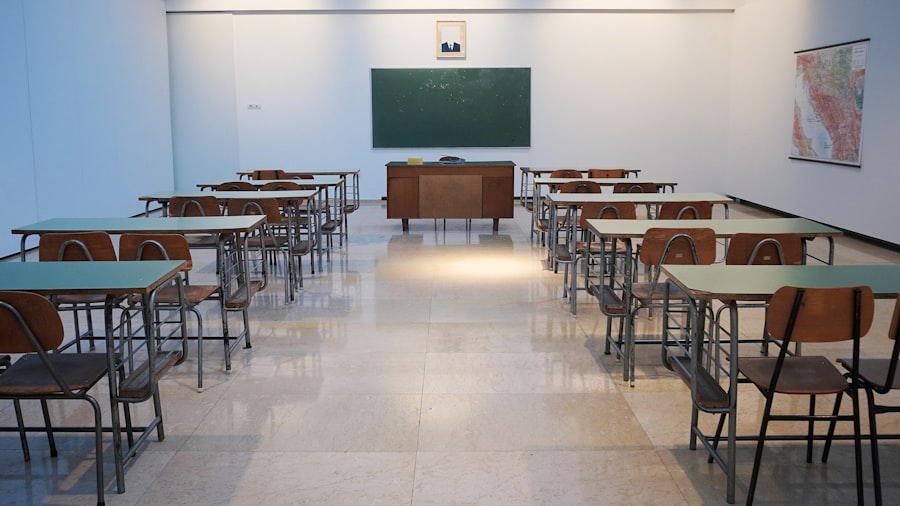
A supportive and inclusive school environment is essential for fostering the success of students with special needs. This environment is characterized by acceptance, understanding, and respect for diversity among all learners. Schools can promote inclusivity by implementing policies that encourage collaboration among educators, parents, and community members.
Professional development opportunities focused on inclusive practices can equip teachers with the skills necessary to create welcoming classrooms where all students feel valued. Physical accessibility is another critical aspect of creating an inclusive school environment. Schools should ensure that facilities are equipped with ramps, elevators, and accessible restrooms to accommodate students with mobility challenges.
Additionally, fostering a culture of empathy and understanding among students can help reduce stigma associated with disabilities. Programs that promote peer mentoring or buddy systems can facilitate positive interactions between students with disabilities and their peers, further enhancing social inclusion within the school community.
Collaborating with Parents and Caregivers
Collaboration between educators and parents or caregivers is fundamental to the success of students with special needs. Parents possess invaluable insights into their child’s strengths, challenges, and preferences, making their involvement crucial in developing effective IEPs or 504 Plans. Regular communication between teachers and families fosters a partnership that supports student learning both at school and at home.
This collaboration can take various forms, including parent-teacher conferences, workshops on special education topics, or informal check-ins via phone or email. Involving parents in decision-making processes not only empowers them but also ensures that educational strategies align with the child’s unique needs. Schools can facilitate this collaboration by providing resources and training for parents on how to advocate for their children effectively.
Additionally, creating opportunities for parents to connect with one another can build a supportive community where they can share experiences and strategies for navigating the complexities of special education.
Addressing the Social and Emotional Needs of Students with Special Needs
Addressing the social and emotional needs of students with special needs is paramount for their overall well-being and academic success. Many students with disabilities may experience feelings of isolation or anxiety due to their differences from peers. Schools must prioritize social-emotional learning (SEL) programs that teach skills such as self-awareness, self-regulation, empathy, and relationship-building.
These programs can help create a safe space where students feel comfortable expressing their emotions and developing healthy coping strategies. Additionally, mental health support services should be readily available within schools to address any emotional challenges that may arise. School counselors play a crucial role in providing individual or group counseling sessions focused on social skills development or emotional regulation techniques.
By fostering an environment where mental health is prioritized alongside academic achievement, schools can help students with special needs build resilience and confidence as they navigate their educational journeys.
