
Selecting the appropriate dental hygienist school is a pivotal step in embarking on a career in dental hygiene. Prospective students should consider several factors, including accreditation, curriculum, faculty qualifications, and clinical opportunities. Accreditation is crucial as it ensures that the program meets specific educational standards set by recognized bodies, such as the Commission on Dental Accreditation (CODA).
Attending an accredited institution not only guarantees a quality education but also is often a prerequisite for licensure in many states. Therefore, students should prioritize schools that have received this endorsement to ensure their education is respected and recognized in the professional community. In addition to accreditation, the curriculum offered by the school plays a significant role in shaping a student’s future career.

A comprehensive program should cover essential topics such as oral anatomy, periodontology, radiography, and patient management. Furthermore, prospective students should investigate the faculty’s qualifications and experience. Instructors with extensive backgrounds in clinical practice and academia can provide invaluable insights and mentorship.
Additionally, schools that offer robust clinical training opportunities allow students to apply theoretical knowledge in real-world settings, which is essential for developing practical skills. Researching alumni success stories can also provide insight into the effectiveness of the program and its ability to prepare students for the workforce.
Key Takeaways
- Selecting an accredited dental hygienist school is crucial for quality education and licensure eligibility.
- The application process typically involves prerequisites, entrance exams, and interviews.
- Expect a mix of classroom learning, hands-on practice, and clinical experience during the program.
- Success tips include strong time management, active participation, and seeking mentorship.
- After graduation, obtaining licensure, pursuing internships, and continuing education are key for career growth.

The Application Process for Dental Hygienist School
The application process for dental hygienist school can be both exciting and daunting. Typically, it begins with gathering necessary documents such as transcripts from previous educational institutions, letters of recommendation, and a personal statement outlining the applicant’s motivations and goals in pursuing a career in dental hygiene. Many programs require applicants to have completed specific prerequisite courses, such as biology and chemistry, which can add an additional layer of preparation before applying.
It is essential for prospective students to carefully review each school’s admission requirements to ensure they meet all criteria. Once the application materials are compiled, candidates often face interviews as part of the selection process. This step allows admissions committees to assess not only the academic qualifications of applicants but also their interpersonal skills and passion for the field.
Preparing for these interviews can involve practicing common questions related to dental hygiene and reflecting on personal experiences that highlight relevant skills or attributes. Additionally, some schools may require applicants to take standardized tests or complete entrance exams to further evaluate their readiness for the rigors of dental hygiene education.
What to Expect in Dental Hygienist School
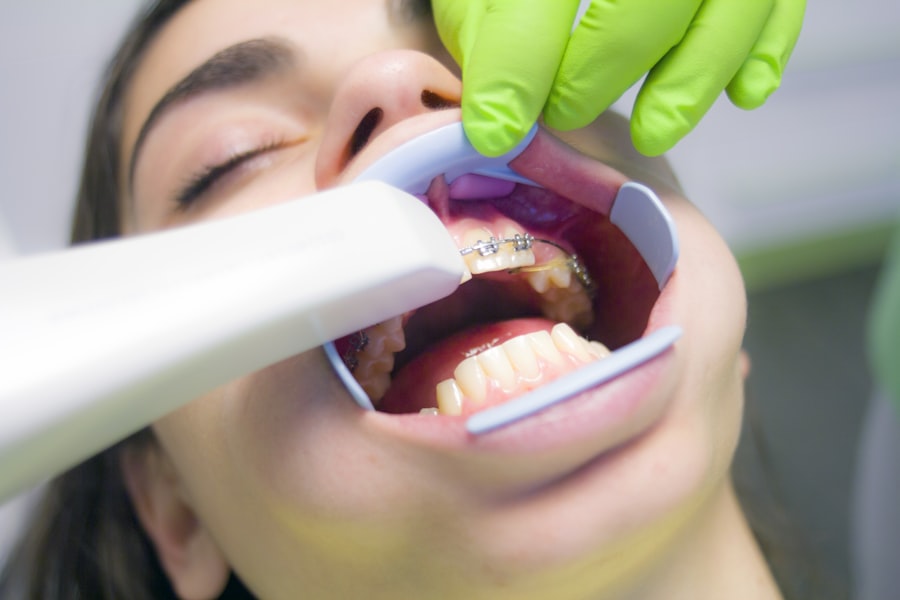
Dental hygienist school is an intensive educational experience that combines theoretical knowledge with hands-on training. Students can expect a rigorous curriculum that includes both classroom instruction and laboratory work. Core subjects typically encompass anatomy, microbiology, nutrition, and dental materials, providing a solid foundation for understanding oral health.
The integration of technology in modern dental practices means that students will also learn about digital radiography and electronic health records, preparing them for contemporary work environments. In addition to academic coursework, students will engage in practical training through simulations and clinical practice. This hands-on experience is vital for developing the skills necessary to perform dental cleanings, take X-rays, and educate patients about oral hygiene practices.
Many programs incorporate community outreach initiatives where students can provide services to underserved populations, further enhancing their learning experience while giving back to the community. This blend of theory and practice ensures that graduates are well-equipped to enter the workforce with confidence.
Tips for Succeeding in Dental Hygienist School
| Tip | Description | Estimated Time Commitment | Effectiveness Rating (1-5) |
|---|---|---|---|
| Stay Organized | Keep track of assignments, exams, and clinical schedules using planners or digital apps. | 1-2 hours per week | 5 |
| Practice Clinical Skills Regularly | Consistently practice techniques such as scaling and polishing to build proficiency. | 3-4 hours per week | 5 |
| Form Study Groups | Collaborate with peers to review material and prepare for exams. | 2-3 hours per week | 4 |
| Utilize Faculty Office Hours | Seek clarification and guidance from instructors to strengthen understanding. | 1 hour per week | 4 |
| Maintain Self-Care | Ensure adequate rest, nutrition, and stress management to sustain performance. | Varies | 5 |
| Stay Current with Dental Hygiene Research | Read journals and articles to stay informed about best practices and innovations. | 1-2 hours per week | 3 |
| Develop Time Management Skills | Prioritize tasks and set realistic goals to balance school and personal life. | Ongoing | 5 |
Success in dental hygienist school requires dedication, effective time management, and a proactive approach to learning. One of the most effective strategies is to develop a study schedule that allocates time for reviewing course material regularly rather than cramming before exams. Forming study groups with classmates can also be beneficial; discussing complex topics with peers often leads to deeper understanding and retention of information.
Additionally, utilizing resources such as textbooks, online databases, and academic journals can enhance learning and provide diverse perspectives on dental hygiene practices. Another critical aspect of succeeding in dental hygienist school is seeking help when needed. Many institutions offer tutoring services or academic support centers where students can receive assistance with challenging subjects.
Building relationships with instructors can also be advantageous; they can provide guidance on coursework and career advice based on their experiences in the field. Engaging actively in class discussions and asking questions not only demonstrates enthusiasm but also fosters a deeper connection with the material being taught.
Clinical Experience and Internships in Dental Hygienist School
Clinical experience is a cornerstone of dental hygienist education, providing students with the opportunity to apply their knowledge in real-world settings under the supervision of licensed professionals. Most programs include a structured clinical component where students work directly with patients in dental clinics or community health settings. This hands-on training allows students to practice essential skills such as scaling and root planing, administering local anesthesia, and educating patients about oral health care.
Internships or externships are often integral parts of dental hygiene programs, offering students exposure to various practice environments. These experiences can range from working in private dental offices to participating in public health initiatives. Such diversity not only enhances clinical skills but also helps students understand different aspects of patient care and practice management.
Networking during these internships can lead to job opportunities post-graduation, as many employers prefer hiring candidates who have demonstrated their abilities in a clinical setting.
Navigating Licensing and Certification Requirements
Upon completing a dental hygienist program, graduates must navigate the licensing and certification process to practice legally. Each state has its own requirements, but generally, candidates must pass both a written national board examination and a clinical examination administered by a state or regional board. The National Board Dental Hygiene Examination (NBDHE) assesses knowledge across various domains of dental hygiene practice, while clinical exams evaluate practical skills in real-time scenarios.
In addition to passing these exams, many states require continuing education credits for license renewal. This requirement emphasizes the importance of staying current with advancements in dental hygiene practices and technologies. Graduates should familiarize themselves with their state’s specific regulations regarding licensure and any additional certifications that may enhance their employability, such as those related to local anesthesia administration or advanced periodontal therapy.
Job Placement and Career Opportunities After Dental Hygienist School
The job market for dental hygienists is robust, with numerous opportunities available across various settings. Graduates can find employment in private dental practices, public health organizations, hospitals, or educational institutions. The demand for dental hygienists continues to grow due to an increasing awareness of oral health’s impact on overall health and wellness.
According to the U.S. Bureau of Labor Statistics, employment for dental hygienists is projected to grow much faster than average over the next decade. Moreover, many dental hygienists choose to specialize in areas such as pediatric dentistry, geriatric care, or periodontics, which can lead to enhanced job prospects and potentially higher salaries.
Some may even opt to pursue advanced degrees or certifications that allow them to take on roles in education or research within the field. Networking through professional organizations such as the American Dental Hygienists’ Association (ADHA) can also provide valuable resources for job placement and career advancement.
Continuing Education and Advancement in the Dental Hygiene Field
Continuing education is vital for dental hygienists who wish to remain competitive in their field and expand their skill sets. Many states require licensed hygienists to complete continuing education courses periodically to maintain their licenses. These courses cover various topics such as new technologies in dentistry, advanced clinical techniques, and emerging research in oral health care.
Engaging in lifelong learning not only fulfills licensure requirements but also enhances professional development and improves patient care. For those looking to advance their careers further, pursuing additional certifications or degrees can open new doors within the dental hygiene profession. Options include obtaining a bachelor’s degree in dental hygiene or pursuing advanced degrees such as a master’s degree in public health or education.
These qualifications can lead to roles in management, education, or research positions within academic institutions or healthcare organizations. As the field continues to evolve with advancements in technology and patient care practices, staying informed through continuing education becomes increasingly essential for success and growth within the profession.
