

Project management is a structured approach to planning, executing, and overseeing projects to achieve specific goals within defined constraints such as time, budget, and resources. It encompasses a variety of methodologies and practices that guide project managers in navigating the complexities of delivering successful outcomes. The discipline has evolved significantly over the years, influenced by advancements in technology, changes in organizational structures, and the increasing complexity of projects across various industries.
As organizations strive for efficiency and effectiveness, the role of project management has become more critical than ever. At its core, project management involves the application of knowledge, skills, tools, and techniques to project activities. This includes everything from initiating a project and defining its scope to executing tasks and closing the project upon completion.

The Project Management Institute (PMI) defines project management as the application of knowledge, skills, tools, and techniques to project activities to meet project requirements. This definition underscores the multifaceted nature of project management, which requires not only technical expertise but also strong leadership and interpersonal skills.
Key Takeaways
- Project management involves planning, executing, and closing projects effectively to meet goals.
- Understanding the project lifecycle helps in managing phases from initiation to closure.
- Creating detailed plans and schedules is essential for organizing tasks and timelines.
- Managing teams, resources, and risks ensures smooth project progress and problem resolution.
- Effective communication and monitoring are key to stakeholder engagement and project success.
Understanding Project Lifecycle

The project lifecycle is a fundamental concept in project management that outlines the stages a project goes through from inception to completion. Typically divided into five phases—initiation, planning, execution, monitoring and controlling, and closure—this framework provides a structured approach to managing projects. Each phase has distinct objectives and deliverables that contribute to the overall success of the project.
During the initiation phase, the project’s feasibility is assessed, and key stakeholders are identified. This phase often involves creating a project charter that outlines the project’s purpose, objectives, and high-level requirements. For instance, in a construction project, this might include determining whether the proposed site is suitable for development and whether the necessary permits can be obtained.
The planning phase follows, where detailed plans are developed to guide the execution of the project. This includes defining tasks, estimating resources and timelines, and establishing budgets. A well-crafted project plan serves as a roadmap for the team and helps ensure that everyone is aligned with the project’s goals.
Creating Project Plans and Schedules

Creating effective project plans and schedules is crucial for successful project execution. A comprehensive project plan outlines how the project will be executed, monitored, and controlled. It includes elements such as scope statements, work breakdown structures (WBS), resource allocation, timelines, and risk management strategies.
The WBS is particularly important as it breaks down the project into smaller, manageable components, making it easier to assign tasks and track progress. Scheduling is another critical aspect of project planning. A well-structured schedule not only outlines when tasks will be completed but also identifies dependencies between tasks.
Tools such as Gantt charts or Critical Path Method (CPM) can be employed to visualize timelines and ensure that all team members understand their responsibilities. For example, in software development projects, scheduling might involve defining sprints in Agile methodologies, where specific features are developed within set timeframes. This iterative approach allows for flexibility and adaptation based on feedback from stakeholders.
Managing Project Teams and Resources
| Metric | Description | Typical Value/Range | Importance |
|---|---|---|---|
| Team Utilization Rate | Percentage of time team members spend on productive project work | 70% – 90% | High |
| Resource Allocation Efficiency | Measure of how effectively resources are assigned to tasks | 80% – 95% | High |
| Task Completion Rate | Percentage of tasks completed on time | 85% – 100% | High |
| Team Member Turnover Rate | Rate at which team members leave the project or organization | 5% – 15% annually | Medium |
| Average Task Duration | Average time taken to complete a task | Varies by project complexity | Medium |
| Resource Availability | Percentage of time resources are available for project work | 90% – 100% | High |
| Team Satisfaction Score | Survey-based score reflecting team morale and satisfaction | 70 – 90 (out of 100) | Medium |
| Overtime Hours | Number of extra hours worked beyond regular schedule | 0 – 10% of total hours | Low to Medium |
Effective team management is essential for achieving project objectives. A successful project manager must possess strong leadership skills to motivate team members, foster collaboration, and resolve conflicts. Building a cohesive team involves understanding individual strengths and weaknesses and assigning roles accordingly.
For instance, in a marketing campaign project, a project manager might assign creative tasks to team members with strong design skills while delegating analytical tasks to those with expertise in data analysis. Resource management is equally important in ensuring that projects are completed on time and within budget. This involves not only managing human resources but also overseeing physical assets, technology, and financial resources.
A project manager must continuously assess resource availability and make adjustments as needed. For example, if a key team member becomes unavailable due to unforeseen circumstances, the project manager may need to redistribute tasks among remaining team members or bring in additional resources to maintain progress.
Risk Management and Problem-Solving
Risk management is a critical component of project management that involves identifying potential risks that could impact the project’s success and developing strategies to mitigate them. This proactive approach helps ensure that projects remain on track despite uncertainties. Risk assessment typically involves categorizing risks based on their likelihood of occurrence and potential impact on the project.
For instance, in an IT infrastructure upgrade project, risks might include technical failures or delays in equipment delivery. Once risks are identified, project managers can develop risk response strategies such as avoidance, mitigation, transfer, or acceptance. For example, if a significant risk is identified regarding data security during a software development project, the team might implement additional security measures or conduct regular audits to minimize vulnerabilities.
Problem-solving skills are also essential for addressing issues that arise during the project lifecycle. A successful project manager must be able to analyze problems critically, identify root causes, and implement effective solutions promptly.
Communication and Stakeholder Management
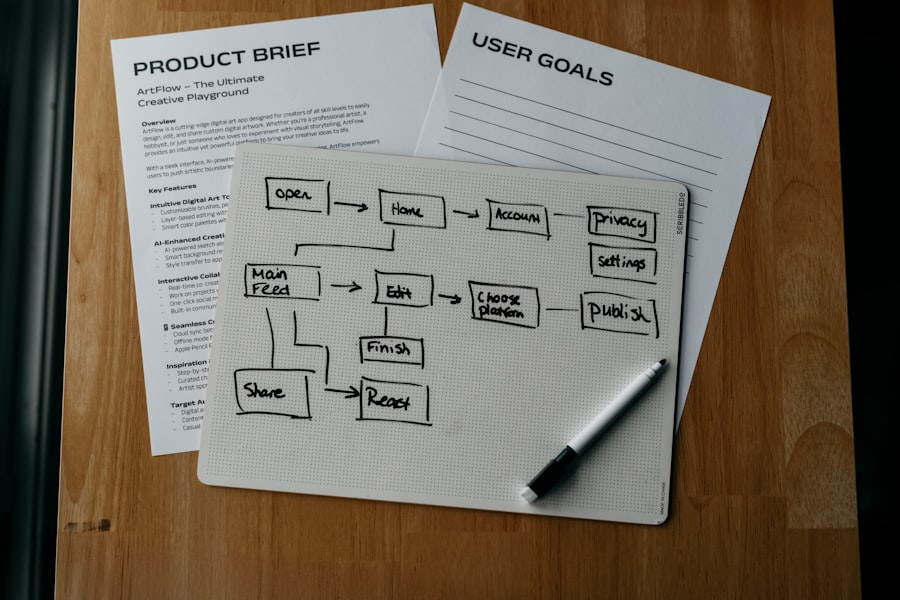
Effective communication is vital for successful project management as it ensures that all stakeholders are informed about project progress, changes, and challenges. A well-defined communication plan outlines how information will be shared among team members and stakeholders throughout the project’s lifecycle. This includes regular status updates, meetings, and reports that keep everyone aligned with the project’s objectives.
Stakeholder management is another crucial aspect of communication in project management. Stakeholders can include anyone with an interest in the project’s outcome—ranging from team members to clients and upper management. Understanding stakeholder needs and expectations is essential for building strong relationships and ensuring their support throughout the project.
For instance, in a healthcare initiative aimed at improving patient care services, engaging with medical staff early on can provide valuable insights into their needs and concerns, ultimately leading to a more successful implementation.
Monitoring and Controlling Projects
Monitoring and controlling are ongoing processes that occur throughout the project lifecycle to ensure that it remains on track regarding scope, time, cost, and quality. This involves regularly measuring performance against established baselines and making necessary adjustments to keep the project aligned with its goals. Key performance indicators (KPIs) are often used to assess progress; these might include metrics such as budget variance or schedule performance index.
Project managers utilize various tools and techniques for monitoring progress. For example, earned value management (EVM) integrates scope, schedule, and cost data to provide a comprehensive view of project performance. By analyzing EVM metrics, a project manager can determine whether the project is ahead or behind schedule and take corrective actions as needed.
Additionally, regular status meetings with team members can facilitate open discussions about challenges faced during execution and allow for collaborative problem-solving.
Successful Project Closure and Evaluation
The closure phase of a project is just as important as its initiation; it involves finalizing all activities to formally close the project or phase. Successful closure ensures that all deliverables have been completed satisfactorily and that stakeholders are satisfied with the outcomes. This phase often includes conducting final reviews with stakeholders to confirm acceptance of deliverables and obtaining formal sign-off.
Evaluation is a critical component of successful closure as it provides an opportunity for reflection on what worked well and what could be improved in future projects. Lessons learned sessions can be conducted to gather feedback from team members about their experiences throughout the project lifecycle. This information can be invaluable for refining processes and enhancing future project performance.
For instance, if a recurring issue was identified during multiple projects regarding resource allocation delays, organizations can implement new strategies or tools to address this challenge proactively in future initiatives. In conclusion, effective project management encompasses a wide range of practices that guide teams through complex processes toward successful outcomes. By understanding the intricacies of each phase of the project lifecycle—from planning through closure—project managers can enhance their ability to deliver projects that meet stakeholder expectations while navigating challenges along the way.