

The Postgraduate Certificate in Education (PGCE) is a pivotal qualification for individuals aspiring to become teachers in the United Kingdom. This program is designed to equip prospective educators with the necessary skills, knowledge, and practical experience to thrive in diverse educational settings. Typically lasting one year, the PGCE combines theoretical coursework with hands-on teaching practice, allowing students to immerse themselves in the realities of classroom life.
The curriculum covers essential topics such as pedagogy, child development, and educational psychology, providing a comprehensive foundation for effective teaching. One of the defining features of the PGCE program is its emphasis on reflective practice. Trainees are encouraged to critically evaluate their teaching methods and adapt their approaches based on feedback and self-assessment.
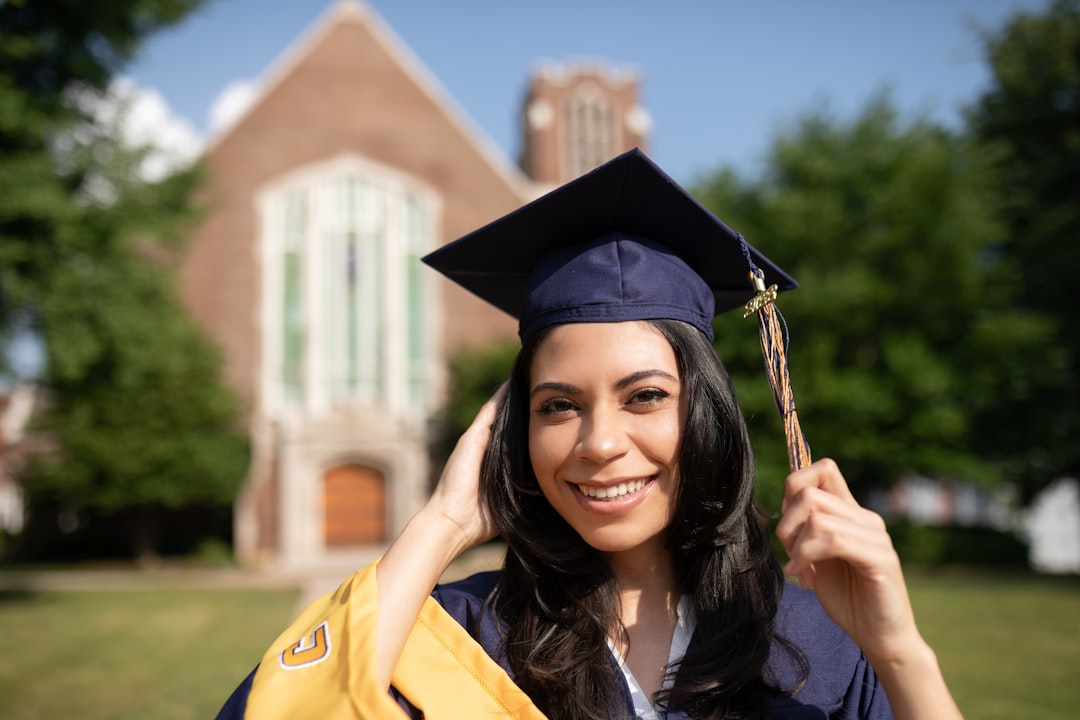
This reflective process not only enhances their teaching skills but also fosters a deeper understanding of the complexities of student learning. Furthermore, the PGCE often includes placements in different schools, exposing trainees to various educational environments and student demographics. This exposure is invaluable, as it prepares future teachers to address the unique challenges and opportunities that arise in diverse classrooms.
Key Takeaways
- PGCE programs provide foundational training for effective teaching skills.
- Developing diverse teaching strategies enhances student engagement and learning.
- Well-structured lesson plans are essential for organized and impactful instruction.
- Managing classroom dynamics fosters a positive and productive learning environment.
- Integrating technology supports interactive and modern teaching methods.
Developing effective teaching strategies

Effective teaching strategies are essential for fostering an engaging and productive learning environment. One widely recognized approach is differentiated instruction, which involves tailoring lessons to meet the diverse needs of students. This strategy acknowledges that learners have varying abilities, interests, and learning styles.
For instance, a teacher might provide advanced reading materials for gifted students while offering additional support and resources for those who struggle with literacy. By recognizing these differences and adapting instruction accordingly, educators can create a more inclusive classroom where all students have the opportunity to succeed. Another effective strategy is the use of formative assessment to inform instruction.
Formative assessments are ongoing evaluations that provide real-time feedback on student understanding. Techniques such as exit tickets, quizzes, and peer assessments allow teachers to gauge student comprehension and adjust their teaching methods as needed. For example, if a teacher notices that a significant number of students are struggling with a particular concept, they can revisit the material using alternative explanations or activities.
This responsive approach not only enhances student learning but also fosters a culture of continuous improvement within the classroom.
Creating engaging lesson plans

Crafting engaging lesson plans is a critical skill for any educator, as it directly impacts student motivation and learning outcomes. An effective lesson plan should incorporate clear objectives, relevant content, and interactive activities that capture students’ interest. One approach to creating engaging lessons is to integrate real-world applications into the curriculum.
For instance, a science teacher might design a lesson on ecosystems by taking students on a field trip to a local nature reserve. This experiential learning opportunity allows students to connect theoretical concepts with tangible experiences, deepening their understanding and appreciation of the subject matter. In addition to real-world applications, incorporating technology into lesson plans can significantly enhance engagement.
Utilizing multimedia resources such as videos, interactive simulations, and educational games can make learning more dynamic and enjoyable. For example, a history teacher might use virtual reality to transport students to historical events or locations, providing an immersive experience that fosters curiosity and exploration. By leveraging technology creatively, educators can create lessons that resonate with students and encourage active participation.
Managing classroom dynamics
| Metric | Description | Measurement Method | Typical Range | Importance |
|---|---|---|---|---|
| Student Engagement Level | Percentage of students actively participating in class activities | Observation and participation tracking | 60% – 90% | High |
| Disruption Frequency | Number of disruptive incidents per class session | Behavior logs and teacher reports | 0 – 3 incidents | High |
| Time on Task | Percentage of class time students spend focused on assigned tasks | Time sampling and observation | 70% – 95% | High |
| Teacher Response Time | Average time taken by teacher to address disruptions | Video analysis or timer tracking | 5 – 20 seconds | Medium |
| Positive Reinforcement Frequency | Number of positive feedback instances per class | Teacher self-report or observation | 5 – 15 times | Medium |
| Student Collaboration Rate | Percentage of class time spent in group or partner work | Observation and activity logs | 20% – 50% | Medium |
| Classroom Climate Rating | Teacher and student rating of classroom atmosphere (scale 1-5) | Surveys and questionnaires | 3 – 5 | High |
Classroom management is a fundamental aspect of effective teaching that directly influences student behavior and learning outcomes. Establishing clear expectations and routines at the beginning of the school year sets the tone for a positive classroom environment. Teachers should communicate their rules and procedures explicitly, ensuring that students understand what is expected of them.
For instance, implementing a system for raising hands before speaking can help minimize disruptions and promote respectful communication among peers. In addition to setting expectations, building strong relationships with students is crucial for managing classroom dynamics. When students feel valued and respected, they are more likely to engage positively in the learning process.
Teachers can foster these relationships by taking the time to get to know their students individually, showing genuine interest in their lives, and providing support when needed. For example, a teacher might hold regular one-on-one check-ins with students to discuss their progress and address any concerns they may have. This personalized approach not only enhances classroom management but also contributes to a supportive learning community.
Utilizing technology in teaching
The integration of technology in education has transformed traditional teaching methods, offering new opportunities for enhancing student engagement and learning outcomes. One significant advantage of technology is its ability to facilitate personalized learning experiences. Adaptive learning platforms can assess individual student performance and adjust content accordingly, allowing learners to progress at their own pace.
For instance, programs like Khan Academy provide tailored exercises based on a student’s strengths and weaknesses, enabling them to master concepts before moving on. Moreover, technology can enhance collaboration among students through tools such as online discussion forums and collaborative document editing platforms like Google Docs. These tools encourage peer interaction and allow students to work together on projects regardless of their physical location.
For example, a group of students from different schools can collaborate on a research project using shared documents and video conferencing tools. This not only fosters teamwork but also prepares students for the collaborative nature of the modern workforce.
Supporting student learning and development

Supporting student learning and development requires a multifaceted approach that addresses academic needs as well as social-emotional well-being. One effective strategy is implementing a tiered system of support that provides varying levels of assistance based on individual student needs. For instance, some students may benefit from additional tutoring or small group instruction, while others may require more intensive interventions such as counseling or behavioral support.
By identifying students who need extra help early on and providing targeted resources, educators can promote academic success and personal growth. Additionally, fostering a growth mindset within the classroom can significantly impact student development. Encouraging students to view challenges as opportunities for growth rather than obstacles can enhance their resilience and motivation.
Teachers can model this mindset by sharing their own experiences with failure and perseverance, demonstrating that setbacks are a natural part of the learning process. For example, when a student struggles with a difficult math problem, a teacher might emphasize the importance of persistence and effort rather than focusing solely on the correct answer. This approach not only supports academic achievement but also nurtures essential life skills such as resilience and adaptability.
Assessing student progress and achievement
Assessment plays a crucial role in understanding student progress and achievement within an educational context. Various assessment methods can be employed to gather data on student performance, including formative assessments, summative assessments, and standardized tests. Formative assessments are particularly valuable as they provide ongoing feedback throughout the learning process, allowing teachers to adjust instruction based on student needs.
Techniques such as quizzes, class discussions, and observational assessments enable educators to identify areas where students may be struggling. Summative assessments, on the other hand, evaluate student learning at the end of an instructional period. These assessments often take the form of final exams or projects that measure overall understanding of the material covered.
While summative assessments are important for gauging achievement levels, they should be used in conjunction with formative assessments to provide a comprehensive picture of student progress. Additionally, incorporating self-assessment opportunities encourages students to take ownership of their learning by reflecting on their strengths and areas for improvement.
Reflecting on and improving teaching practice
Reflection is an essential component of professional growth for educators seeking to enhance their teaching practice continually. Engaging in reflective practice allows teachers to critically analyze their instructional methods, classroom management strategies, and interactions with students. By regularly assessing what works well and what could be improved, educators can make informed decisions about their teaching approaches.
For instance, after completing a unit on literature analysis, a teacher might reflect on student engagement levels during discussions and consider alternative strategies for fostering participation in future lessons. Professional development opportunities also play a vital role in supporting teachers’ reflective practices. Workshops, conferences, and collaborative planning sessions provide educators with valuable insights into new teaching methodologies and research-based practices.
By participating in these opportunities, teachers can expand their knowledge base and gain fresh perspectives on their instructional approaches. For example, attending a workshop on culturally responsive teaching may inspire an educator to incorporate diverse perspectives into their curriculum, ultimately enriching the learning experience for all students. Through ongoing reflection and professional development, educators can cultivate a growth mindset not only for themselves but also for their students.
By modeling lifelong learning behaviors and demonstrating a commitment to improvement, teachers create an environment where both they and their students are encouraged to strive for excellence in education.