

Communication is a fundamental aspect of human interaction, serving as the primary means through which individuals convey thoughts, emotions, and information. At its core, communication involves a sender, a message, a medium, and a receiver. The sender encodes a message, which is then transmitted through various channels—such as spoken words, written text, or nonverbal cues—to the receiver, who decodes and interprets the information.
This process is not merely transactional; it is deeply influenced by context, culture, and individual perceptions. For instance, the same message can be interpreted differently depending on the cultural background of the receiver, highlighting the importance of understanding the nuances of communication. Moreover, effective communication is not solely about the exchange of information; it also encompasses the ability to foster relationships and build connections.

The quality of communication can significantly impact personal and professional relationships. In a workplace setting, clear communication can enhance teamwork and collaboration, while misunderstandings can lead to conflict and decreased productivity. Therefore, grasping the fundamentals of communication is essential for anyone looking to improve their interpersonal skills and navigate social interactions more effectively.
Key Takeaways
- Effective communication starts with understanding fundamental principles and active listening.
- Nonverbal cues play a crucial role in conveying messages beyond words.
- Identifying and overcoming communication barriers enhances clarity and connection.
- Adapting your style to suit different audiences improves engagement and understanding.
- Employing assertiveness, empathy, and conflict resolution skills fosters healthier interactions.
Developing Active Listening Skills
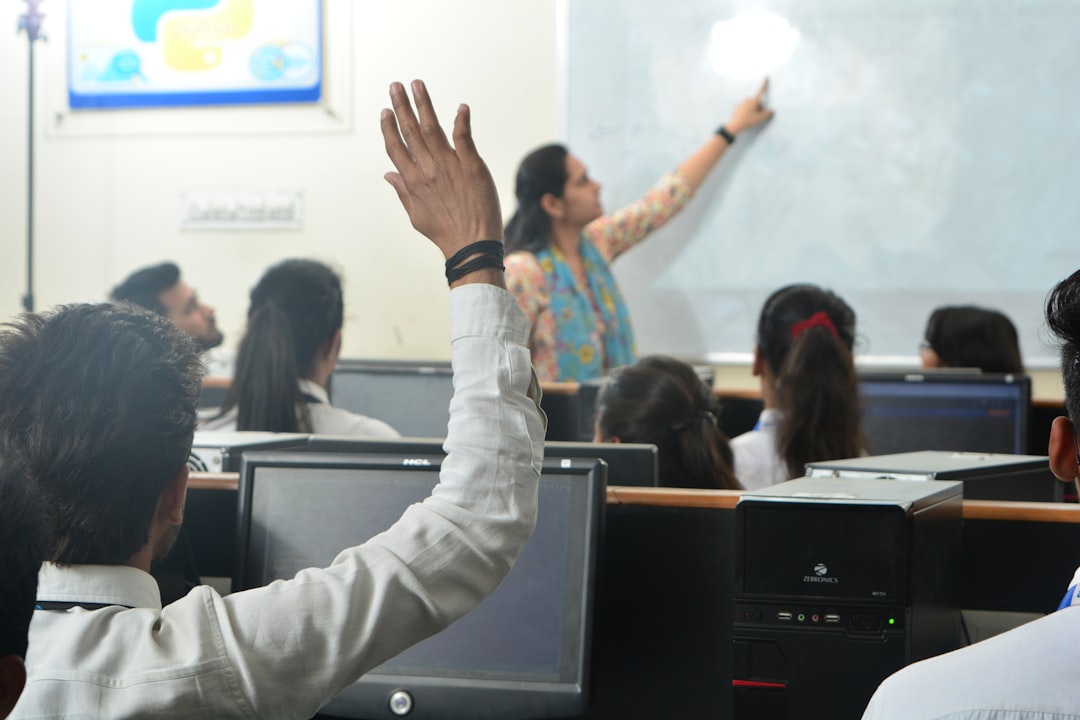
Active listening is a critical component of effective communication that goes beyond merely hearing words. It involves fully engaging with the speaker, demonstrating attentiveness, and responding thoughtfully. To develop active listening skills, one must practice being present in conversations, which means minimizing distractions and focusing entirely on the speaker.
This can be achieved by maintaining eye contact, nodding in acknowledgment, and using verbal affirmations such as “I see” or “Go on.” These behaviors signal to the speaker that their message is valued and understood. Additionally, active listening requires the listener to process and reflect on what is being said. This can involve paraphrasing the speaker’s words to confirm understanding or asking clarifying questions to delve deeper into the topic.
For example, if a colleague expresses frustration about a project deadline, an active listener might respond with, “It sounds like you’re feeling overwhelmed by the timeline. Can you tell me more about what specific challenges you’re facing?” This approach not only validates the speaker’s feelings but also encourages a more meaningful dialogue. By honing active listening skills, individuals can foster stronger connections and create an environment where open communication thrives.
The Power of Nonverbal Communication
Nonverbal communication encompasses a wide range of behaviors that convey messages without the use of words. This includes facial expressions, body language, gestures, posture, and even tone of voice. Research suggests that a significant portion of human communication—estimated to be around 70%—is nonverbal.
For instance, a warm smile can convey friendliness and openness, while crossed arms may signal defensiveness or discomfort. Understanding these nonverbal cues is essential for interpreting messages accurately and responding appropriately. Moreover, nonverbal communication can enhance or contradict verbal messages.
For example, if someone says they are excited about a project but their body language appears closed off or disinterested, the inconsistency may lead to confusion or mistrust. Being aware of one’s own nonverbal signals is equally important; individuals should strive for congruence between their words and actions. Practicing positive body language—such as maintaining an open posture and using appropriate gestures—can significantly improve how messages are received.
By mastering nonverbal communication, individuals can enhance their overall communicative effectiveness and build stronger interpersonal relationships.
Overcoming Barriers to Effective Communication
| Barrier | Description | Impact on Communication | Strategies to Overcome | Effectiveness Rating (1-5) |
|---|---|---|---|---|
| Language Differences | Variations in language or vocabulary between communicators | Misunderstandings, confusion, and misinterpretation | Use simple language, translators, and visual aids | 4 |
| Cultural Barriers | Differences in cultural norms and values | Offense, misinterpretation, and reduced trust | Cultural sensitivity training and open-mindedness | 4 |
| Physical Barriers | Environmental factors like noise, distance, or poor technology | Distractions and loss of message clarity | Use quiet spaces, reliable technology, and clear signals | 5 |
| Emotional Barriers | Personal feelings such as anger, fear, or mistrust | Blocked communication and defensive responses | Active listening, empathy, and emotional intelligence | 4 |
| Perceptual Barriers | Different viewpoints or assumptions about the message | Misinterpretation and bias | Clarification, feedback, and perspective-taking | 4 |
| Technological Barriers | Issues with communication tools or platforms | Delays, message loss, and frustration | Training, technical support, and backup systems | 5 |
Barriers to effective communication can arise from various sources, including physical distractions, emotional states, cultural differences, and language barriers. Identifying these obstacles is crucial for improving communication skills. For instance, in a noisy environment, external sounds can hinder one’s ability to focus on a conversation.
Similarly, emotional barriers such as anger or anxiety can cloud judgment and lead to misinterpretations of messages. Recognizing these barriers allows individuals to take proactive steps to mitigate their impact. Cultural differences also play a significant role in communication barriers.
Variations in norms regarding eye contact, personal space, and even humor can lead to misunderstandings between individuals from different backgrounds. To overcome these challenges, it is essential to cultivate cultural awareness and sensitivity. This may involve educating oneself about different cultural practices or seeking clarification when unsure about a particular behavior or response.
By actively addressing these barriers, individuals can create a more inclusive environment that fosters open dialogue and mutual understanding.
Tailoring Your Communication Style to Different Audiences
Effective communicators recognize that different audiences require different approaches. Tailoring one’s communication style involves adapting language, tone, and delivery based on the audience’s needs and preferences. For example, when addressing a group of professionals in a formal setting, using industry-specific terminology and maintaining a professional tone may be appropriate.
Conversely, when speaking with friends or family members, a more casual and relaxed style may be more effective in fostering connection. Understanding the audience’s background and expectations is key to successful communication. This may involve considering factors such as age, cultural background, education level, and familiarity with the topic at hand.
For instance, when presenting complex information to a lay audience, it may be beneficial to simplify concepts and use relatable analogies to enhance comprehension. By being attuned to the audience’s perspective and adjusting communication accordingly, individuals can ensure that their messages resonate more deeply and are better received.
Using Assertive Communication Techniques
Assertive communication is characterized by expressing one’s thoughts and feelings openly while respecting the rights of others. It strikes a balance between passive and aggressive communication styles, allowing individuals to advocate for themselves without undermining others’ perspectives. Employing assertive techniques involves using “I” statements to express feelings and needs clearly.
For example, instead of saying “You never listen to me,” an assertive communicator might say, “I feel overlooked when my ideas are not acknowledged.” This approach reduces defensiveness in the listener and fosters constructive dialogue. Additionally, assertive communication includes setting boundaries and saying no when necessary. Many individuals struggle with asserting their needs due to fear of conflict or rejection; however, practicing assertiveness can lead to healthier relationships and increased self-esteem.
For instance, if a colleague consistently asks for help outside of work hours, an assertive response could be: “I appreciate your trust in my abilities, but I need to maintain my work-life balance.” By employing assertive techniques consistently, individuals can cultivate an environment where open communication flourishes.
Mastering the Art of Conflict Resolution
Conflict is an inevitable part of human interaction; however, how it is managed can significantly impact relationships and outcomes. Mastering conflict resolution involves understanding the underlying causes of disagreements and employing strategies to address them constructively. One effective approach is to focus on interests rather than positions.
Instead of becoming entrenched in opposing viewpoints, parties should explore their underlying needs and desires. For example, in a workplace dispute over resource allocation, both parties may initially argue for their respective projects but could find common ground by discussing their shared goal of achieving organizational success. Another essential aspect of conflict resolution is fostering an environment conducive to open dialogue.
This includes creating safe spaces where individuals feel comfortable expressing their thoughts without fear of retribution. Active listening plays a crucial role here; by genuinely hearing each other’s perspectives, parties can work towards finding mutually beneficial solutions. Techniques such as brainstorming potential compromises or seeking third-party mediation can also facilitate resolution when conflicts become particularly challenging.
By mastering these conflict resolution strategies, individuals can transform disagreements into opportunities for growth and collaboration.
Practicing Empathetic Communication
Empathetic communication involves understanding and validating another person’s feelings while conveying genuine care and concern. It goes beyond mere sympathy; empathy requires actively engaging with another’s emotional experience and responding in a way that acknowledges their perspective. Practicing empathetic communication begins with active listening—paying close attention not only to what is being said but also to how it is being expressed emotionally.
This might involve recognizing nonverbal cues such as tone of voice or facial expressions that indicate distress or joy. To further enhance empathetic communication skills, individuals can practice reflecting back what they hear in order to demonstrate understanding. Phrases like “It sounds like you’re feeling really overwhelmed” or “I can see how much this means to you” validate the speaker’s emotions and create a sense of connection.
Additionally, sharing personal experiences that relate to the speaker’s situation can foster deeper understanding; however, it is crucial to ensure that this does not shift the focus away from their feelings. By cultivating empathetic communication skills, individuals can strengthen relationships and create supportive environments where open dialogue thrives.
