

To effectively market a product or service, it is imperative to have a deep understanding of the target audience. This involves not only identifying who they are but also delving into their preferences, behaviors, and pain points. Demographic factors such as age, gender, income level, and education can provide a foundational understanding of the audience.
However, psychographic factors—such as values, interests, and lifestyle choices—are equally important. For instance, a brand targeting millennials may focus on sustainability and social responsibility, while a luxury brand may prioritize exclusivity and high-quality craftsmanship. Moreover, understanding the target audience extends to recognizing their online behavior.

This includes the platforms they frequent, the type of content they engage with, and their purchasing habits. Utilizing tools like Google Analytics or social media insights can provide valuable data on audience interactions. For example, if a significant portion of your audience engages with video content on platforms like Instagram or TikTok, it would be prudent to invest in video marketing strategies.
By creating detailed buyer personas that encapsulate these insights, businesses can tailor their marketing efforts to resonate more deeply with their audience, ultimately leading to higher engagement and conversion rates.
Key Takeaways
- Know your target audience to tailor marketing efforts effectively.
- Use social media platforms to reach and engage potential customers.
- Create compelling content that captures attention and drives interaction.
- Implement email marketing campaigns to nurture leads and maintain customer relationships.
- Continuously analyze results and adapt strategies for ongoing improvement.

Utilizing Social Media Platforms
Social media platforms have revolutionized the way brands communicate with their audiences. With billions of users worldwide, platforms such as Facebook, Instagram, Twitter, LinkedIn, and TikTok offer unparalleled opportunities for businesses to connect with potential customers. Each platform has its unique characteristics and user demographics, making it essential for brands to choose the right channels for their marketing efforts.
For instance, Instagram is particularly effective for visually-driven brands, while LinkedIn serves as a powerful tool for B2B marketing and professional networking. Engagement on social media is not merely about posting content; it requires active interaction with followers. Brands can foster community by responding to comments, participating in conversations, and sharing user-generated content.
For example, a clothing brand might encourage customers to post photos wearing their products with a specific hashtag, creating a sense of belonging among users while simultaneously generating authentic content for the brand. Additionally, leveraging features such as stories, polls, and live videos can enhance engagement and provide real-time interaction opportunities with the audience.
Creating Engaging Content
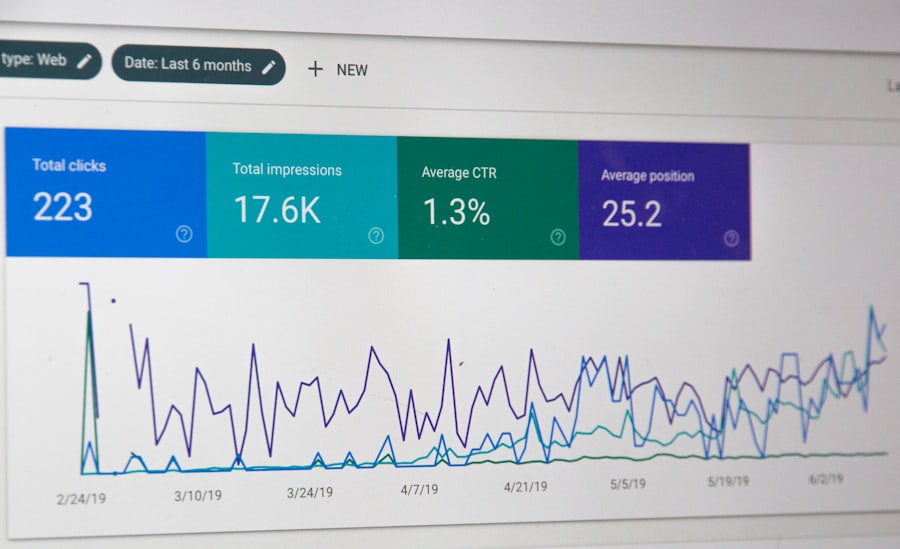
Content is at the heart of any successful marketing strategy. Engaging content not only captures attention but also encourages sharing and interaction. The key to creating compelling content lies in understanding what resonates with your audience.
This could range from informative blog posts and how-to guides to entertaining videos and infographics. For instance, a health and wellness brand might create a series of informative articles on nutrition tips while also producing engaging video content demonstrating quick workout routines. Visual elements play a crucial role in content engagement.
High-quality images, videos, and graphics can significantly enhance the appeal of your content. Brands should also consider incorporating storytelling techniques to create an emotional connection with their audience. A travel company might share customer testimonials or personal travel stories that evoke wanderlust and inspire potential customers to book their next adventure.
Additionally, utilizing interactive content such as quizzes or surveys can further engage users by inviting them to participate actively rather than passively consuming information.
Implementing Email Marketing Campaigns
| Metric | Description | Typical Range | Importance |
|---|---|---|---|
| Open Rate | Percentage of recipients who open the email | 15% – 30% | High |
| Click-Through Rate (CTR) | Percentage of recipients who click on links within the email | 2% – 10% | High |
| Conversion Rate | Percentage of recipients who complete a desired action (purchase, signup) | 1% – 5% | High |
| Bounce Rate | Percentage of emails that could not be delivered | Less than 2% | Medium |
| Unsubscribe Rate | Percentage of recipients who opt out of the mailing list | Less than 0.5% | Medium |
| List Growth Rate | Rate at which the email subscriber list is growing | 1% – 5% monthly | Medium |
| Spam Complaint Rate | Percentage of recipients marking the email as spam | Less than 0.1% | High |
| ROI (Return on Investment) | Revenue generated compared to campaign cost | Varies widely | High |
Email marketing remains one of the most effective channels for reaching customers directly. With a well-crafted email campaign, brands can deliver personalized messages that cater to the specific interests and needs of their audience. Building an email list is crucial; this can be achieved through various methods such as offering exclusive discounts or valuable content in exchange for email sign-ups.
Once a list is established, segmenting the audience based on demographics or behavior can lead to more targeted campaigns. The content of email campaigns should be engaging and relevant to the recipients. This could include newsletters featuring industry news, product updates, or special promotions.
Personalization is key; addressing recipients by name and tailoring content based on their previous interactions can significantly increase open rates and engagement. For example, an e-commerce store might send personalized recommendations based on past purchases or browsing history. Additionally, incorporating clear calls-to-action (CTAs) encourages recipients to take the desired action, whether it’s making a purchase or visiting the website for more information.
Leveraging Search Engine Optimization (SEO)
Search Engine Optimization (SEO) is a critical component of digital marketing that focuses on improving a website’s visibility in search engine results pages (SERPs). By optimizing content for relevant keywords and phrases that potential customers are searching for, businesses can increase organic traffic to their websites. This involves conducting thorough keyword research to identify terms that align with the audience’s search intent.
Tools like Google Keyword Planner or SEMrush can assist in discovering high-traffic keywords that are relevant to your industry. On-page SEO techniques include optimizing title tags, meta descriptions, headers, and image alt texts to ensure they are aligned with targeted keywords. Additionally, creating high-quality content that provides value to users can improve dwell time and reduce bounce rates—factors that search engines consider when ranking pages.
Off-page SEO strategies such as building backlinks from reputable sites can further enhance credibility and authority in the eyes of search engines. For instance, a tech blog might collaborate with industry influencers to write guest posts that link back to their site, thereby improving their search rankings.
Utilizing Influencer Marketing

Influencer marketing has emerged as a powerful strategy for brands looking to reach new audiences authentically. By partnering with influencers who have established credibility and a loyal following within specific niches, brands can tap into their audiences in a way that feels organic rather than promotional. The key is to choose influencers whose values align with the brand’s mission and who genuinely resonate with the target audience.
For example, a skincare brand might collaborate with beauty influencers who prioritize clean ingredients and sustainability. These influencers can create content showcasing the products in use, providing honest reviews that build trust among their followers. Additionally, micro-influencers—those with smaller but highly engaged audiences—can often yield higher engagement rates compared to larger influencers due to their perceived authenticity.
Brands should also consider long-term partnerships with influencers rather than one-off campaigns; this fosters deeper connections between the influencer and the brand while providing consistent exposure over time.
Analyzing and Measuring Results
To gauge the effectiveness of marketing strategies, it is essential to analyze and measure results regularly. This involves tracking key performance indicators (KPIs) that align with specific goals set at the outset of campaigns. Common KPIs include website traffic, conversion rates, social media engagement metrics (likes, shares, comments), email open rates, and return on investment (ROI).
Utilizing analytics tools such as Google Analytics or social media insights can provide valuable data on how well campaigns are performing. Regularly reviewing this data allows marketers to identify trends and patterns that inform future strategies. For instance, if an email campaign shows low open rates, it may indicate that subject lines need improvement or that the timing of emails should be adjusted.
Similarly, analyzing social media engagement can reveal which types of content resonate most with audiences, guiding future content creation efforts. By adopting a data-driven approach to marketing analysis, businesses can make informed decisions that enhance overall effectiveness.
Adapting and Evolving Strategies
The digital marketing landscape is constantly evolving due to changes in technology, consumer behavior, and market trends. Therefore, it is crucial for brands to remain flexible and willing to adapt their strategies accordingly. This may involve experimenting with new platforms or tools as they emerge or adjusting messaging based on shifts in audience preferences.
For example, if a particular social media platform gains popularity among target demographics, brands should consider establishing a presence there to engage with potential customers. Additionally, staying informed about industry trends through continuous learning—such as attending webinars or following thought leaders—can provide insights into emerging best practices. Regularly soliciting feedback from customers can also guide adaptations; understanding what resonates with them allows brands to refine their offerings continually.
Ultimately, embracing change and being proactive in evolving marketing strategies will position businesses for long-term success in an ever-changing environment.