
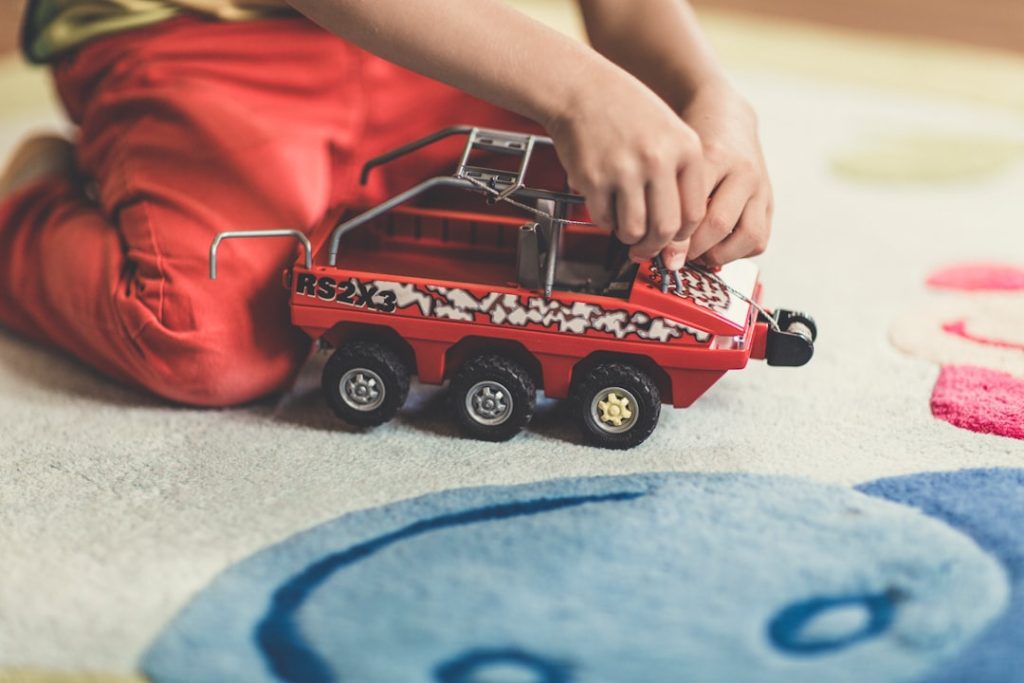
Physical education (PE) plays a crucial role in the holistic development of students, serving as a foundation for lifelong health and fitness. It is not merely about teaching students how to play sports or engage in physical activities; rather, it encompasses a broader spectrum of benefits that contribute to physical, mental, and social well-being. Engaging in regular physical activity has been shown to improve cardiovascular health, enhance muscular strength, and promote flexibility.
These physical benefits are essential for combating the rising rates of obesity and related health issues among children and adolescents. According to the Centers for Disease Control and Prevention (CDC), only 24% of high school students meet the recommended guidelines for physical activity, highlighting the urgent need for effective PE programs. Moreover, physical education fosters essential life skills such as teamwork, leadership, and resilience.
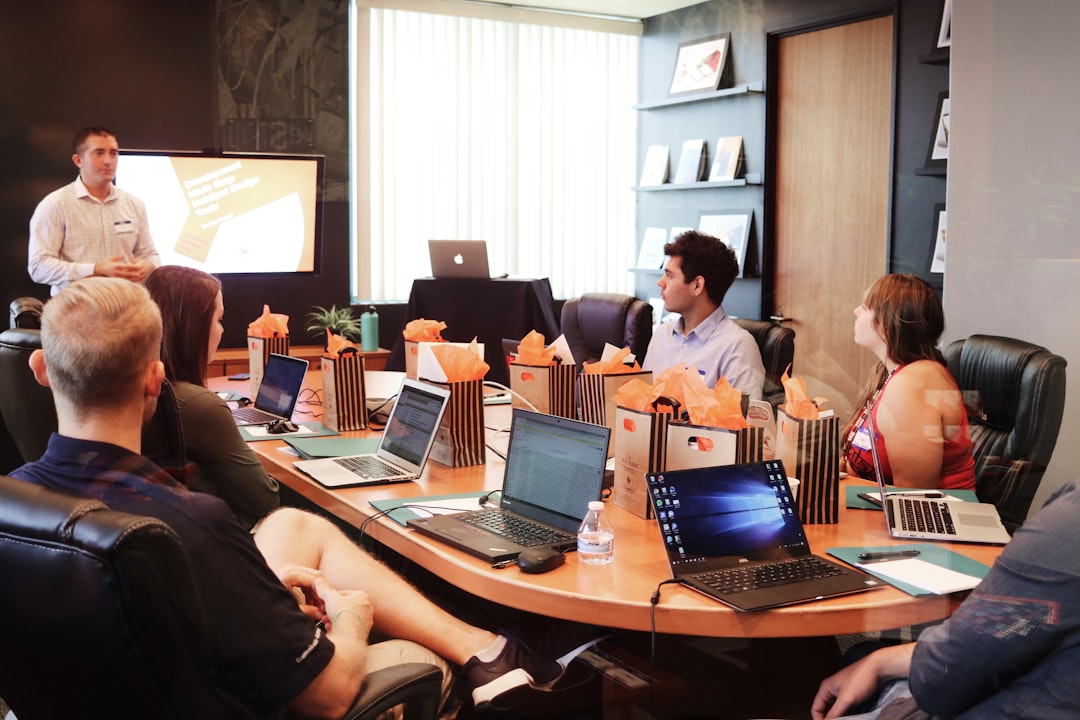
Through participation in team sports and group activities, students learn to collaborate with peers, communicate effectively, and develop a sense of camaraderie. These social interactions are vital for building self-esteem and confidence, which can translate into improved academic performance. Research indicates that students who participate in regular physical activity tend to have better concentration, memory retention, and classroom behavior.
Thus, the importance of physical education extends beyond the gymnasium or playing field; it is integral to creating well-rounded individuals who are prepared to face the challenges of life.
Key Takeaways
- Physical education is vital for overall health, fitness, and well-being.
- Technology can enhance engagement and personalize physical education experiences.
- Inclusive programs ensure accessibility for all students regardless of ability.
- Diverse teaching methods cater to different learning styles and needs.
- Setting goals and tracking progress motivates students and measures improvement.
Incorporating Technology in Physical Education
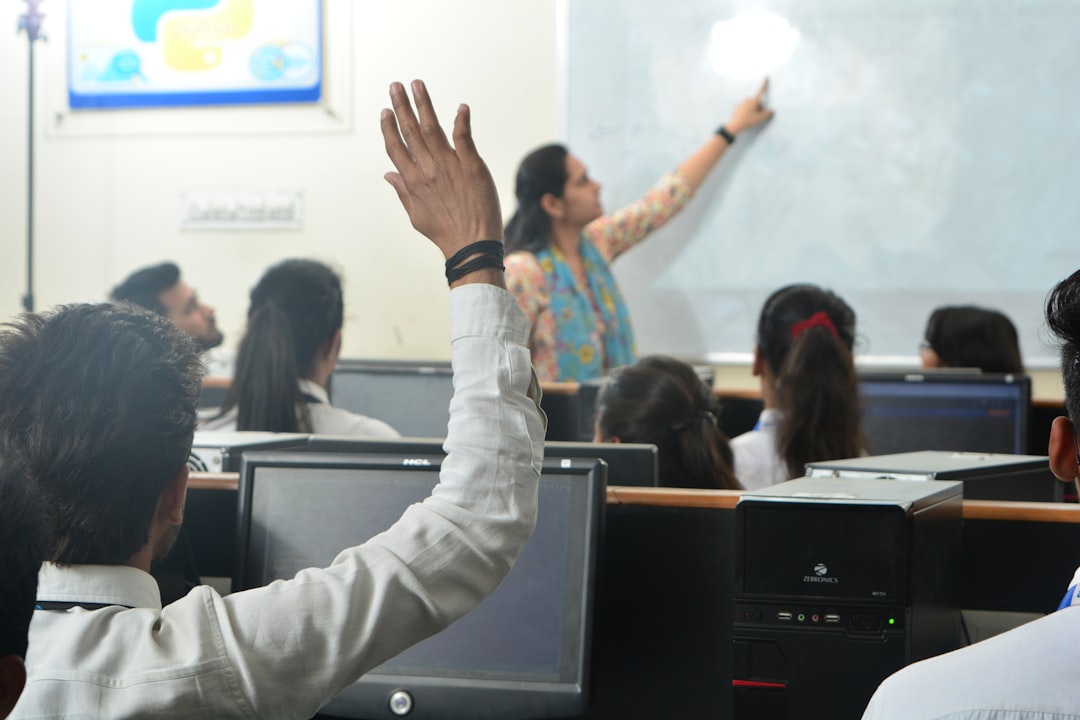
The integration of technology into physical education has revolutionized the way educators approach teaching and learning in this field. With the advent of wearable fitness trackers, mobile applications, and virtual reality platforms, PE teachers can now provide students with personalized feedback and data-driven insights into their performance. For instance, fitness trackers can monitor heart rates, calories burned, and activity levels, allowing students to set personal goals and track their progress over time.
This real-time data not only motivates students but also encourages them to take ownership of their fitness journeys. Additionally, technology can enhance the learning experience by providing interactive and engaging content. Virtual reality (VR) can transport students to different environments where they can practice sports or physical activities that may not be feasible in their local area.
For example, a student interested in skiing can experience a simulated ski run through VR without ever leaving the classroom. Furthermore, online platforms can facilitate remote learning opportunities, enabling students to participate in PE classes from home or access instructional videos that reinforce skills learned in class. By embracing technology, educators can create a dynamic and responsive PE curriculum that meets the diverse needs of their students.
Creating Inclusive and Accessible Physical Education Programs
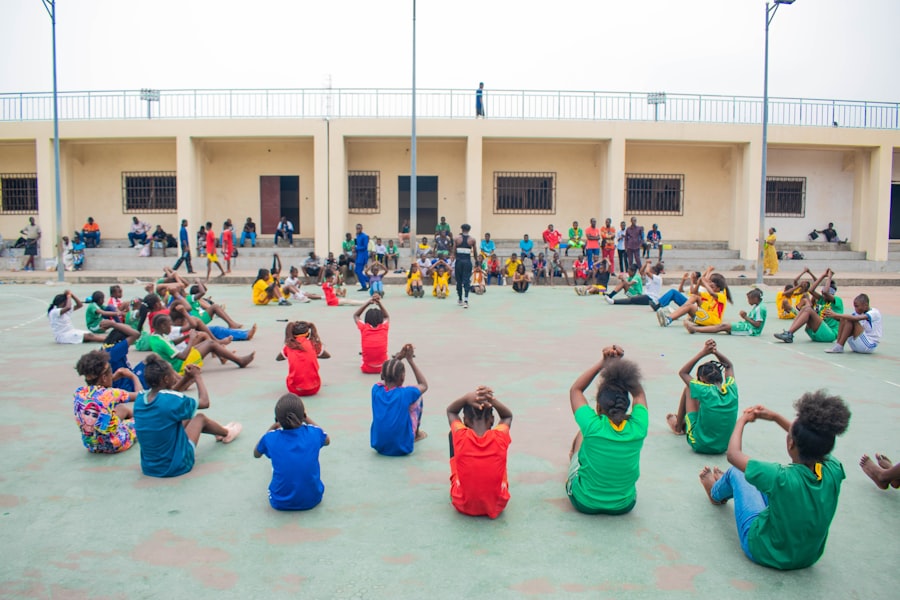
Creating inclusive and accessible physical education programs is essential for ensuring that all students, regardless of their abilities or backgrounds, can participate fully in physical activities. This involves recognizing the diverse needs of students with disabilities, varying skill levels, and different cultural backgrounds. An inclusive PE program not only accommodates students with physical disabilities but also fosters an environment where all students feel valued and supported.
For instance, adaptive sports such as wheelchair basketball or sitting volleyball can be integrated into the curriculum to provide opportunities for students with disabilities to engage in competitive sports. Moreover, inclusivity extends beyond physical adaptations; it also involves creating a culture of acceptance and respect among students. Educators can promote inclusivity by implementing cooperative games that emphasize teamwork and collaboration rather than competition.
Activities that require students to work together towards a common goal can help break down barriers and foster friendships among peers. Additionally, training staff on cultural competence can ensure that all students feel represented and respected within the PE program. By prioritizing inclusivity, schools can create a safe space where every student has the opportunity to thrive physically and socially.
Utilizing Different Teaching Methods and Styles
| Teaching Method | Description | Effectiveness | Student Engagement Level | Best Used For |
|---|---|---|---|---|
| Lecture | Teacher-centered delivery of content to a large group | Moderate | Low to Moderate | Introducing new concepts, large groups |
| Discussion-Based | Interactive sessions encouraging student participation | High | High | Critical thinking, exploring diverse perspectives |
| Collaborative Learning | Students work together in groups to solve problems | High | High | Teamwork skills, problem-solving |
| Hands-On/Experiential | Learning through direct experience and practice | Very High | Very High | Skill development, applied knowledge |
| Flipped Classroom | Students review content at home and engage in activities in class | High | High | Active learning, personalized pace |
| Multimedia-Based | Use of videos, animations, and digital tools to teach | Moderate to High | Moderate to High | Visual and auditory learners, complex concepts |
| Problem-Based Learning | Students learn by solving real-world problems | Very High | High | Analytical skills, real-life application |
The effectiveness of physical education largely depends on the teaching methods and styles employed by educators. A one-size-fits-all approach is often inadequate in addressing the diverse learning preferences of students. Therefore, employing a variety of teaching strategies can enhance engagement and skill acquisition.
For example, direct instruction may be effective for teaching specific skills or techniques, while inquiry-based learning encourages students to explore concepts through experimentation and problem-solving. By blending these approaches, educators can cater to different learning styles—visual learners may benefit from demonstrations, while kinesthetic learners thrive through hands-on practice. Furthermore, incorporating peer teaching can empower students by allowing them to take on leadership roles within their classes.
When students teach their peers a skill or activity, they reinforce their own understanding while fostering collaboration and communication among classmates. This method not only enhances learning but also builds confidence in both the teacher and the learner. Additionally, utilizing technology such as video analysis can provide immediate feedback on performance, allowing students to make adjustments in real-time.
By diversifying teaching methods and styles, educators can create a more engaging and effective physical education experience for all students.
Implementing Goal-setting and Tracking Progress
Goal-setting is a powerful tool in physical education that encourages students to take an active role in their fitness journeys. By establishing clear, achievable goals—whether related to skill development, fitness levels, or personal challenges—students are more likely to stay motivated and committed to their physical education activities. Educators can guide students through the process of setting SMART goals (Specific, Measurable, Achievable, Relevant, Time-bound), which provide a structured framework for success.
For instance, a student might set a goal to improve their mile run time by 30 seconds over the course of a semester. Tracking progress is equally important as it allows students to see tangible results from their efforts. Educators can implement various methods for tracking progress, such as fitness logs or digital platforms that record performance metrics over time.
Regular check-ins can help students reflect on their achievements and adjust their goals as needed. Celebrating milestones—whether big or small—can further enhance motivation and foster a sense of accomplishment among students. By integrating goal-setting and progress tracking into physical education programs, educators empower students to take ownership of their health and fitness journeys.
Fostering a Positive and Supportive Learning Environment
A positive and supportive learning environment is fundamental to the success of any educational program, including physical education. When students feel safe, respected, and valued within their PE classes, they are more likely to engage fully in activities and take risks in their learning. Educators play a pivotal role in establishing this environment by modeling positive behavior and encouraging inclusivity among students.
Simple practices such as using positive reinforcement—praising effort rather than just outcomes—can significantly impact student motivation and self-esteem. Additionally, creating opportunities for student voice is essential in fostering a supportive atmosphere. Allowing students to express their preferences for activities or suggest new games can enhance their sense of ownership over the curriculum.
Furthermore, incorporating team-building exercises at the beginning of each semester can help establish trust among classmates and promote collaboration throughout the year. By prioritizing a positive learning environment in physical education classes, educators lay the groundwork for meaningful relationships among students while enhancing overall engagement in physical activity.
Integrating Nutrition and Health Education into Physical Education
The intersection of nutrition and physical education is critical for promoting overall health among students. While physical activity is essential for maintaining fitness levels, it must be complemented by proper nutrition to achieve optimal health outcomes. Educators have an opportunity to integrate nutrition education into their PE curriculum by discussing topics such as balanced diets, hydration strategies, and the importance of fueling the body for performance.
For example, lessons could include practical demonstrations on preparing healthy snacks or meals that support active lifestyles. Moreover, addressing nutrition within the context of physical education helps students make informed choices about their health outside of school hours. By understanding how different foods impact energy levels and performance during physical activities, students are more likely to adopt healthier eating habits that support their fitness goals.
Collaborating with school nutritionists or dietitians can further enhance this integration by providing expert insights into healthy eating practices tailored for active individuals. Ultimately, combining nutrition education with physical activity creates a comprehensive approach to health that empowers students to lead healthier lives.
Collaborating with Community Resources for Enhanced Physical Education Opportunities
Collaboration with community resources can significantly enrich physical education programs by providing access to facilities, expertise, and diverse experiences that may not be available within the school setting alone. Local sports organizations often offer clinics or workshops led by experienced coaches who can introduce students to new sports or refine existing skills. For instance, partnering with a nearby swimming pool could allow PE classes to include swimming lessons as part of the curriculum—a valuable life skill that promotes safety while also enhancing fitness.
Additionally, community partnerships can facilitate access to specialized equipment or facilities that enhance learning opportunities for students. Schools might collaborate with local gyms or recreation centers to provide access to state-of-the-art fitness equipment or spaces designed for various activities such as dance or martial arts. Furthermore, engaging parents and community members in PE events—such as family fitness nights or community sports days—can foster a sense of belonging while promoting active lifestyles beyond school hours.
By leveraging community resources effectively, schools can create dynamic physical education programs that inspire lifelong engagement in health and fitness among students.