

Paraprofessionals play a crucial role in the educational landscape, serving as vital support personnel who assist teachers and enhance the learning experience for students. Their responsibilities can vary widely, encompassing tasks such as providing one-on-one support to students with special needs, assisting in classroom management, and facilitating small group instruction. The presence of paraprofessionals allows teachers to focus on delivering high-quality instruction while ensuring that all students receive the attention they require.
This division of labor not only improves the overall classroom environment but also fosters a more inclusive atmosphere where diverse learning needs can be met. Moreover, paraprofessionals often serve as a bridge between students and the educational system. They are typically more accessible to students, which can help build trust and rapport.

This relationship is particularly important for students who may struggle with social interactions or have difficulty communicating their needs. By providing emotional support and encouragement, paraprofessionals can help students feel more comfortable in the classroom setting, ultimately leading to improved academic performance and social skills. Their role is not merely supplementary; it is integral to creating a holistic educational experience that addresses both academic and emotional needs.
Key Takeaways
- Paraprofessionals play a crucial supportive role in enhancing student learning and classroom management.
- Building strong, collaborative relationships between teachers and paraprofessionals improves classroom effectiveness.
- Targeted professional development equips paraprofessionals with skills to better support diverse student needs.
- Collaboration between teachers and paraprofessionals is essential for addressing individual student challenges, especially in special education.
- Regular evaluation and supervision ensure paraprofessional accountability and maximize their positive impact on student success.
Building Effective Relationships with Paraprofessionals
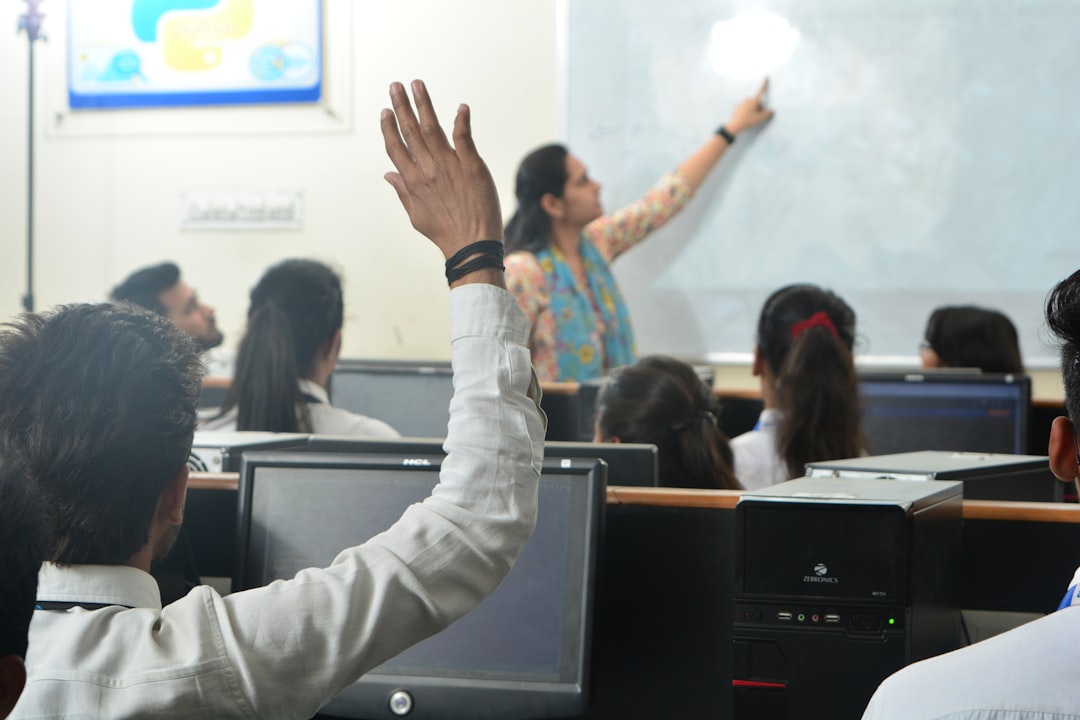
Establishing strong, collaborative relationships between teachers and paraprofessionals is essential for maximizing the effectiveness of support in the classroom. Open lines of communication are fundamental to this process. Regular meetings and check-ins can facilitate discussions about student progress, instructional strategies, and any challenges that may arise.
By fostering an environment where both parties feel comfortable sharing insights and concerns, teachers can better leverage the unique skills and perspectives that paraprofessionals bring to the table. In addition to communication, mutual respect is a cornerstone of effective collaboration. Teachers should recognize the expertise that paraprofessionals possess, particularly in areas such as behavior management or specific instructional techniques.
Acknowledging their contributions not only boosts morale but also empowers paraprofessionals to take initiative in their roles. When teachers value their input and involve them in decision-making processes, it cultivates a sense of ownership and commitment to student success. This collaborative spirit can lead to innovative approaches to teaching and learning that benefit all students.
Utilizing Paraprofessionals in the Classroom
The effective utilization of paraprofessionals in the classroom requires thoughtful planning and clear delineation of roles. Teachers must identify specific tasks that align with the strengths of their paraprofessional staff while also addressing the diverse needs of their students. For instance, a paraprofessional with a background in special education may be particularly adept at implementing individualized education plans (IEPs) or providing targeted interventions for students with learning disabilities.
By strategically assigning responsibilities based on expertise, teachers can enhance the overall effectiveness of their instructional strategies. Furthermore, paraprofessionals can play a pivotal role in fostering an inclusive classroom environment. They can assist in differentiating instruction by providing tailored support to small groups or individual students who may require additional assistance.
This approach not only helps struggling learners but also allows teachers to challenge advanced students through enrichment activities. By utilizing paraprofessionals in this manner, educators can create a dynamic learning environment that accommodates a wide range of abilities and learning styles.
Providing Professional Development for Paraprofessionals
| Metric | Description | Example Data | Measurement Frequency |
|---|---|---|---|
| Number of Training Hours | Total hours of professional development completed by paraprofessionals | 25 hours per paraprofessional annually | Annually |
| Training Completion Rate | Percentage of paraprofessionals who complete assigned training modules | 92% | Per Training Cycle |
| Knowledge Assessment Scores | Average score on post-training knowledge assessments | 85% | After Each Training |
| Skill Improvement | Percentage improvement in observed job skills post-training | 30% improvement in classroom support skills | Biannually |
| Paraprofessional Satisfaction | Average satisfaction rating of professional development sessions | 4.3 out of 5 | After Each Training |
| Retention Rate | Percentage of paraprofessionals retained year over year | 88% | Annually |
| Application of Training | Percentage of paraprofessionals applying new skills in the classroom | 75% | Quarterly |
Investing in professional development for paraprofessionals is essential for enhancing their skills and ensuring they are equipped to meet the diverse needs of students. Training programs should focus on various aspects of education, including instructional strategies, behavior management techniques, and understanding specific disabilities or learning challenges. By providing ongoing professional development opportunities, schools can empower paraprofessionals to take on more significant roles within the classroom and contribute meaningfully to student success.
Additionally, professional development should be tailored to address the unique challenges that paraprofessionals face in their roles. Workshops that emphasize collaboration with teachers, effective communication strategies, and conflict resolution can be particularly beneficial. When paraprofessionals feel confident in their abilities and are well-prepared to handle various situations, they are more likely to engage actively in the educational process.
This not only enhances their job satisfaction but also positively impacts student outcomes.
Collaborating with Paraprofessionals to Support Individual Student Needs
Collaboration between teachers and paraprofessionals is vital for effectively supporting individual student needs. This partnership allows for a more comprehensive understanding of each student’s strengths and challenges, enabling tailored interventions that promote academic growth. For example, during team meetings, teachers can share insights about specific students’ learning styles or behavioral patterns, while paraprofessionals can provide feedback based on their observations during one-on-one interactions.
Moreover, involving paraprofessionals in the development of individualized education plans (IEPs) can lead to more effective strategies for supporting students with disabilities. Their firsthand experience working with these students provides valuable insights that can inform goal-setting and intervention planning. By collaborating closely on IEPs, teachers and paraprofessionals can ensure that all aspects of a student’s educational experience are considered, leading to more cohesive and effective support.
Maximizing Paraprofessional Support in Special Education Settings
In special education settings, the role of paraprofessionals becomes even more critical as they provide essential support tailored to the unique needs of students with disabilities. These professionals often work closely with special education teachers to implement individualized strategies that promote learning and independence among students. For instance, they may assist with adaptive technologies or specialized instructional materials designed for students with specific learning challenges.
Additionally, paraprofessionals can help create a structured environment that fosters positive behavior and engagement among students with disabilities. By implementing behavior management techniques and reinforcing positive behaviors, they contribute significantly to maintaining an orderly classroom atmosphere conducive to learning. Their presence allows special education teachers to focus on delivering specialized instruction while ensuring that all students receive the attention they need to thrive academically and socially.
Ensuring Paraprofessional Accountability and Supervision
To maximize the effectiveness of paraprofessional support, it is essential to establish clear accountability measures and supervision structures within schools. Regular performance evaluations can help ensure that paraprofessionals are meeting established standards and effectively contributing to student success. These evaluations should be constructive, providing feedback on areas of strength as well as opportunities for growth.
Supervision should also involve ongoing mentorship from experienced educators who can guide paraprofessionals in their roles. This mentorship can take various forms, including classroom observations followed by reflective discussions or collaborative planning sessions. By fostering a culture of accountability and support, schools can ensure that paraprofessionals are well-equipped to fulfill their responsibilities while continuously improving their practice.
Evaluating the Impact of Paraprofessional Support on Student Success
Assessing the impact of paraprofessional support on student success is crucial for understanding the effectiveness of this role within the educational framework. Schools should implement data-driven approaches to evaluate how paraprofessional assistance influences academic performance, social skills development, and overall student engagement. For instance, tracking progress through standardized assessments or behavioral observations can provide valuable insights into the effectiveness of interventions facilitated by paraprofessionals.
Furthermore, gathering feedback from students, parents, and teachers about their experiences with paraprofessional support can offer a more comprehensive view of its impact. Surveys or focus groups can help identify strengths and areas for improvement in how paraprofessionals contribute to the educational experience. By systematically evaluating these factors, schools can make informed decisions about how best to utilize paraprofessional support to enhance student outcomes and foster an inclusive learning environment for all learners.
